There's a lot to be dismantled and much to glean from Google’s recent algorithm update. In this post, we uncover the truth behind popups and your search rankings.
Popups, overlays, interstitials or modules — whatever you want to call them, they’ve long been used as an effective tactic for reducing cart/site abandonment, to recapture sales and generate more leads/conversions/revenue. Exit intent popups, alone, contributed to a 267% conversion uplift for one of our clients.
Used to highlight a particular offer while helping narrow down the decision-making process for visitors, effective overlay experiences aim to provide value and in doing so, fulfill multiple revenue-based goals.
But like most marketing tactics, poor implementation, misuse and bad practices (especially on mobile where pages have less real estate) ruin it for everyone, leading to degraded user experiences. Pages where content is not easily accessible (i.e., include intrusive interstitials) during a transition from mobile search may not rank as high in search. Thankfully, you just need to follow a few new house rules when it comes to deploying your popups.
And therefore, not all popups are subject to being penalized in organic search.
Additionally, while you might assume this boils down to sheer mobile vs. desktop implementation, it doesn’t. Nor does it apply to every popup on every page of a website.
In actuality, most people nowadays use search engines to find results through their mobile devices. Meaning, algorithms based on the desktop version of a site’s content seem pretty counterproductive. Or at least not conducive to understanding the actual relevance of a page for users who are accessing it on mobile.
Today, algorithms are primarily reliant on the mobile version of a site’s content to rank pages from that site. The switch from desktop made many examples of intrusive overlays apparent, frustrating users who expected easy access to what they clicked on from search but instead experienced obscured or concealed content.
Totally fair.
As marketers and mobile users ourselves, we can and should appreciate as well as participate in the good fight for better user experiences. But that still doesn’t mean we need to eradicate popups from our arsenal of engagement tactics.
Here’s why:
Example of an acceptable interstitial used for age verification
But there are a few more considerations and practices to keep in mind as you reassess and update the current state of your popup game.
While every marketer will hold different beliefs about proper overlay usage — largely influenced by the tactics they use and overall impact on a user’s time on their site — the presence of overlays shouldn't detract from potentially meaningful customer experiences.If these signals aren’t reflected in your popup “manifesto,” your UX beliefs aren’t going to save you from ranking poorly.
That’s why you should always avoid:
Again, these rules apply to those navigating from search who expect ease of access to content and preclude legal notifications as well as gated information.
Additionally, we’re distilling a few additional best practices to help our readers, prospects and customers build the best experiences possible.
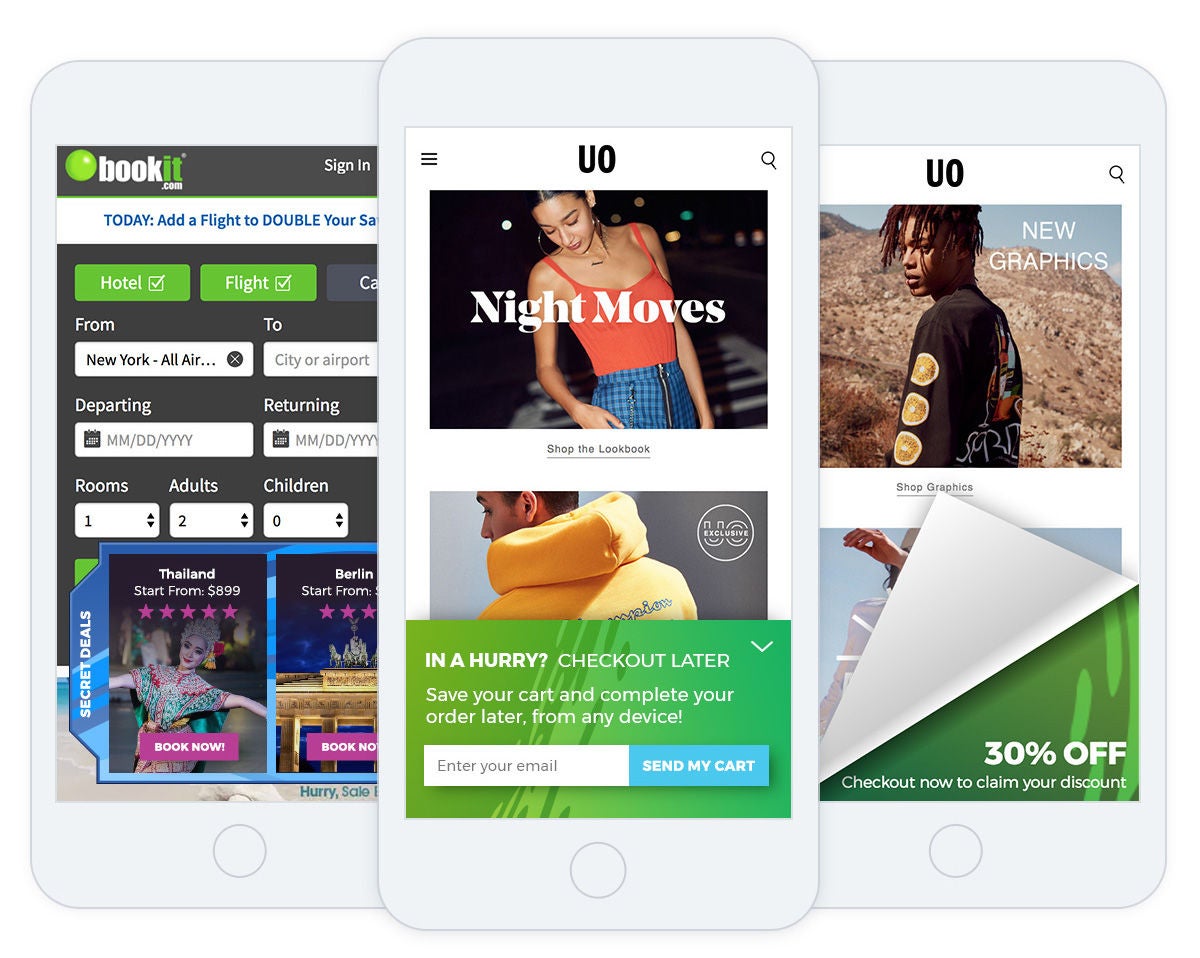
There are, in fact, a host of mobile-friendly use cases such as page curls, sliding drawers and expanding offers that can be used without fear of detracting from a site’s UX.
All the marketer needs to be concerned with, as always, is quality design, non-intrusive placement, valuable content and well-timed, data-insight-driven experiences. Whether for SEO or not, if a company wants to improve performance, revenue and conversions, a great UX will take into consideration all visitors regardless of traffic source or device.
Don’t have the design or development resources to create high-end overlays from scratch? Mastercard Dynamic Yield’s personalization template library includes ready-to-use HTML, CSS and Javascript experiences that marketers can customize accordingly and then set live.