A subset of strategies readily available and specifically designed to help finance brands improve customer acquisition, conversions and long-term loyalty.
Published: April 02, 2024
While the opportunities for personalization are vast, traditional financial institutions have historically been predisposed to disparate systems, siloed sources of data-driven insights, government regulations and strict privacy protection laws — hardships denying them the flexibility other industries enjoy.
But as demand for individualized experiences grows, it’s imperative those in financial services embrace the modern website personalization strategies now afforded to us, and at faster rates of adoption. With the onset of new, more comprehensive technologies, marketers in finance can cater to the unique needs of their customers, overcoming age-old barriers to entry and adopting a one-to-one approach once and for all.
All they need to know now are the right use cases to employ.
Personalization for finance use case visualization tool -->
Explore this tool to see examples of use cases financial services brands can leverage to put personalization at the heart of the consumer experience.
Below, find five high-impact personalization strategies specifically designed to help financial services companies improve customer acquisition, conversions, and long-term loyalty.
The best way to welcome a freshly acquired user is by acknowledging how they arrived on site, as well as the value proposition that attracted them in the first place. Continuity is key during these initial critical moments in the relationship, and failing to take into consideration a prospective customer’s first interaction made with the brand will send them away disillusioned and looking for what they came for someplace else.
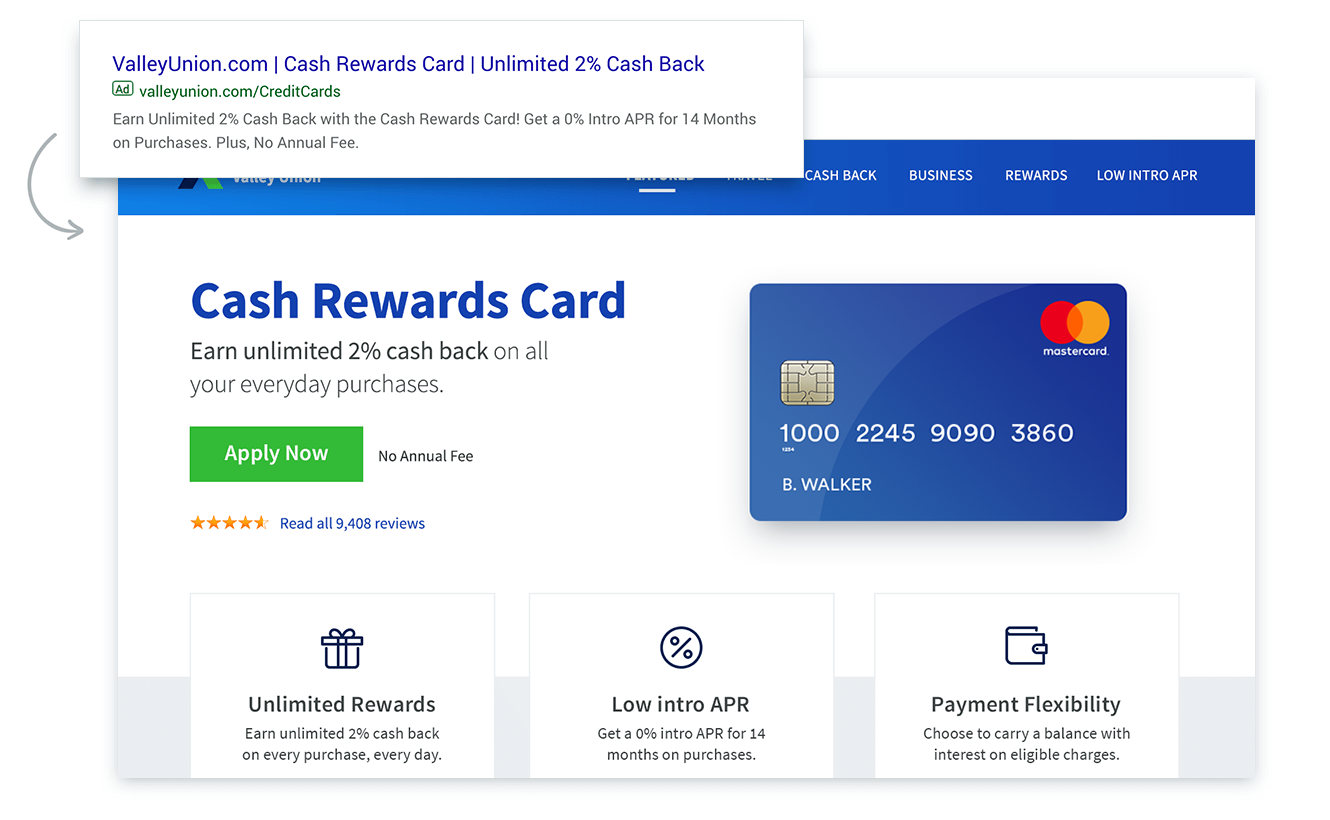
For instance, if a search engine marketing (SEM) campaign advertises an unlimited 2% cash-back credit card offer, it would be incohesive to drive users to a landing page showcasing content for a separate travel card or to open a savings account. Instead, URL parameters and campaign data insights should be leveraged to identify the original advertisement served to the user in order to match the appropriate landing page messaging in real time.
The example below illustrates consistent communication, from ad to landing page or homepage:
Similar “referring domain” conditions or URL parameter data insights can also be used to address affiliates sending traffic to specific promotions. Additionally, demographic and aggregated, anonymized data is available from third-party DMPs, allowing for the tailored experiences of high-value segments.
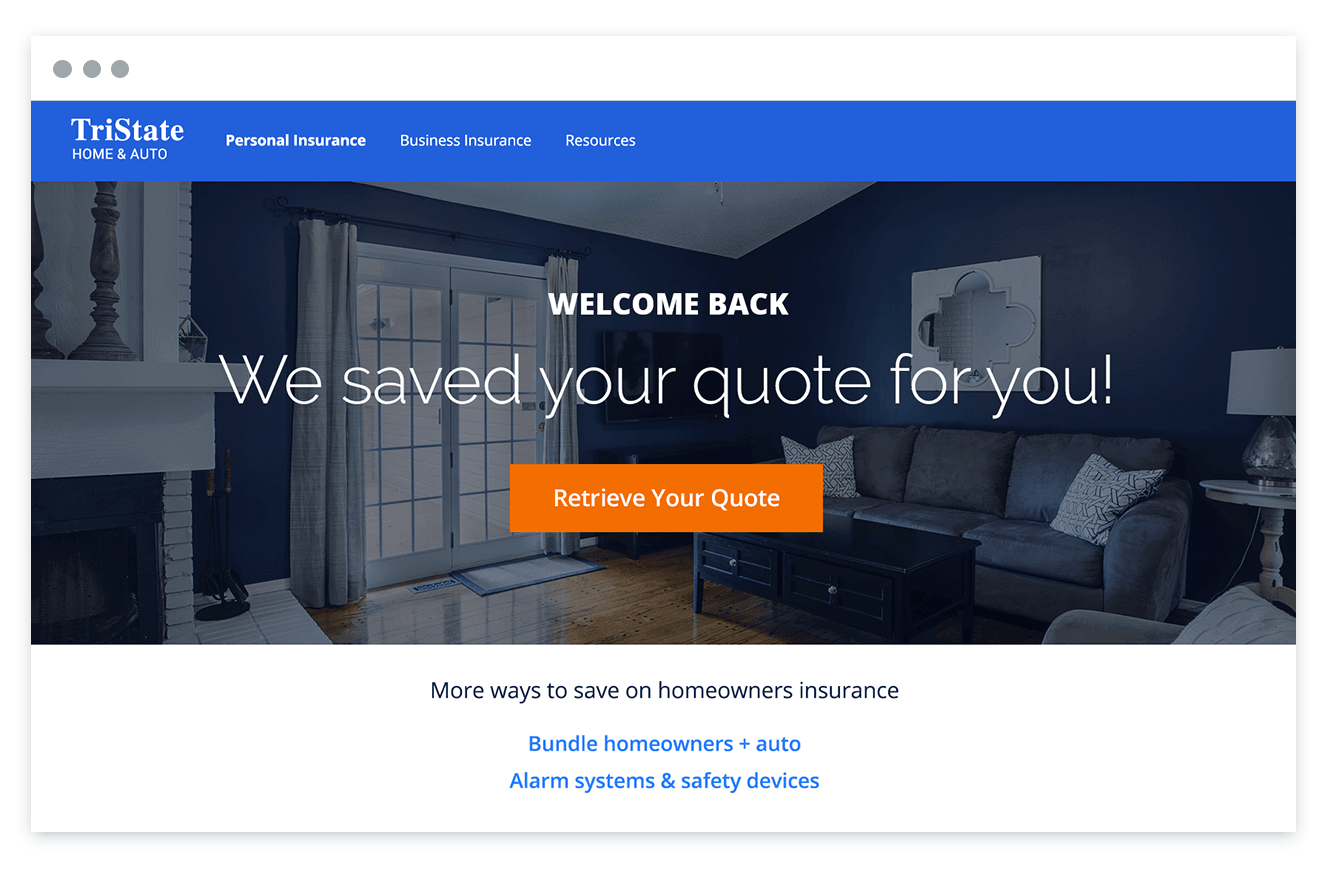
Once a user has shown interest in certain categories or products through their browsing patterns, those insights can be leveraged immediately — during both the current and next session — to narrow in on the user’s interests and provide relevant shortcuts throughout their journey.
In the following example, a returning user who previously abandoned the site is identified and encouraged to navigate back to exactly where they left off:
If a new user ends up abandoning, the opportunity to develop a relationship with them doesn’t have to be lost for good. Not if during the short window of time visitors access the site additional channels are opened to proactively pursue and forge ties offsite.
The most valuable visitor data insight a brand can obtain is an email address; if volunteered by the visitor, bountiful doors open to trigger emails or personalized messages meant for re-engaging at a more convenient time. A secondary means of communication is that of the mobile app, granting the chance to send push and location-based notifications, direct mail and more.
A few techniques to continue the relationship across channels include:
Once an email address is obtained with consent, send users well-timed reminders to finish whatever task they initiated but may not have completed.
If personal information isn’t available at this point in the user journey, cookie-based retargeting capabilities are perfect for getting back in front of users. Via display ads, financial services brands can remind shoppers of offers and deals relevant to them across the web.
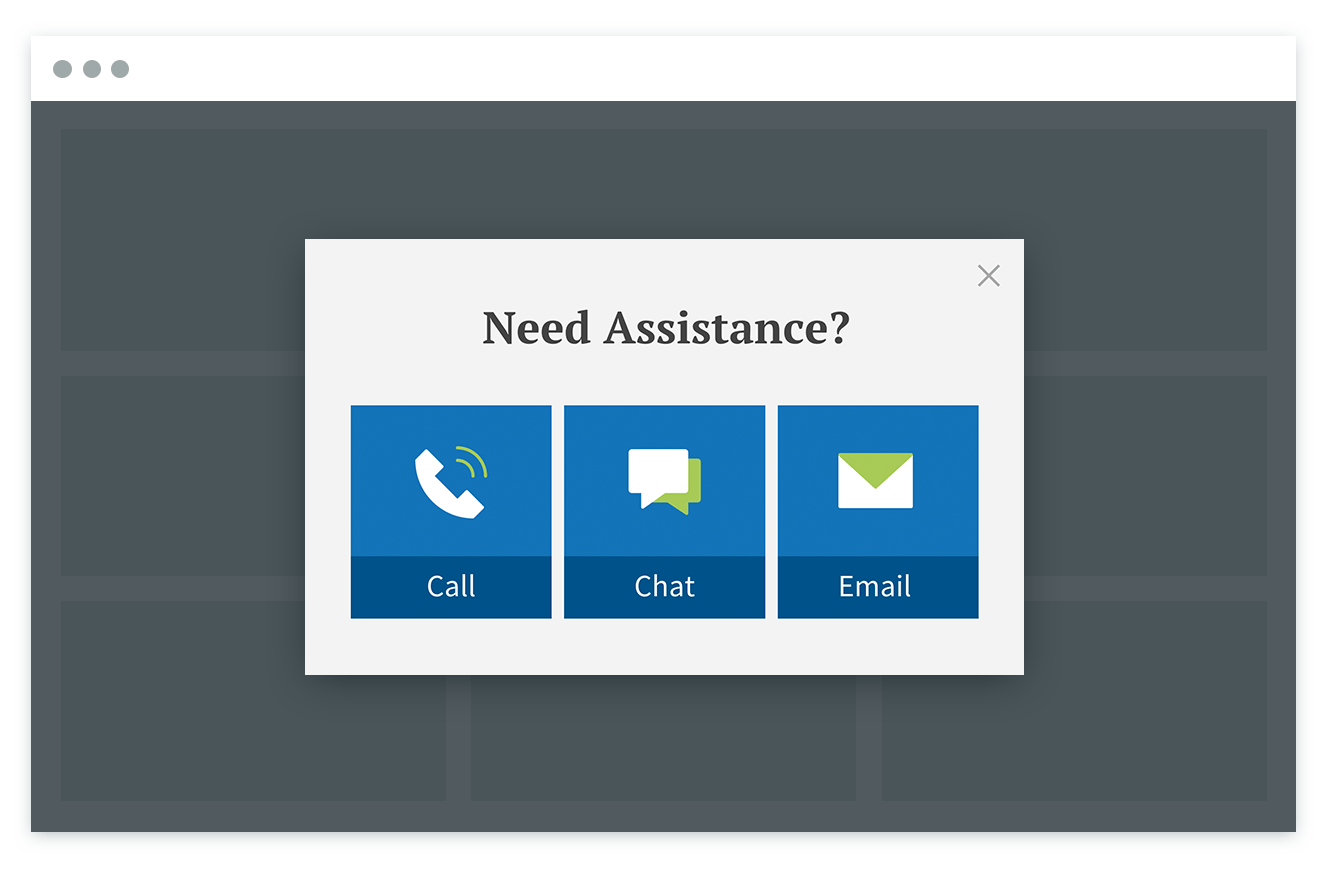
Financial decisions can be difficult. They involve a deep level of reasoning and assessment, as well as mathematical calculations that require generally higher cognitive efforts. Benefits of services and offers may therefore not be immediately apparent, leading to hesitation or frustration.
Provide the assistance these individuals need to close the deal by identifying idleness or overly rapid mouse movement, connecting them to an agent who is just a phone call away with the answers they need.
Aside from accessing user-specific data insights either directly or indirectly, there is plenty of contextual, geographic and environmental that can enhance the user experience, driving them to engage.
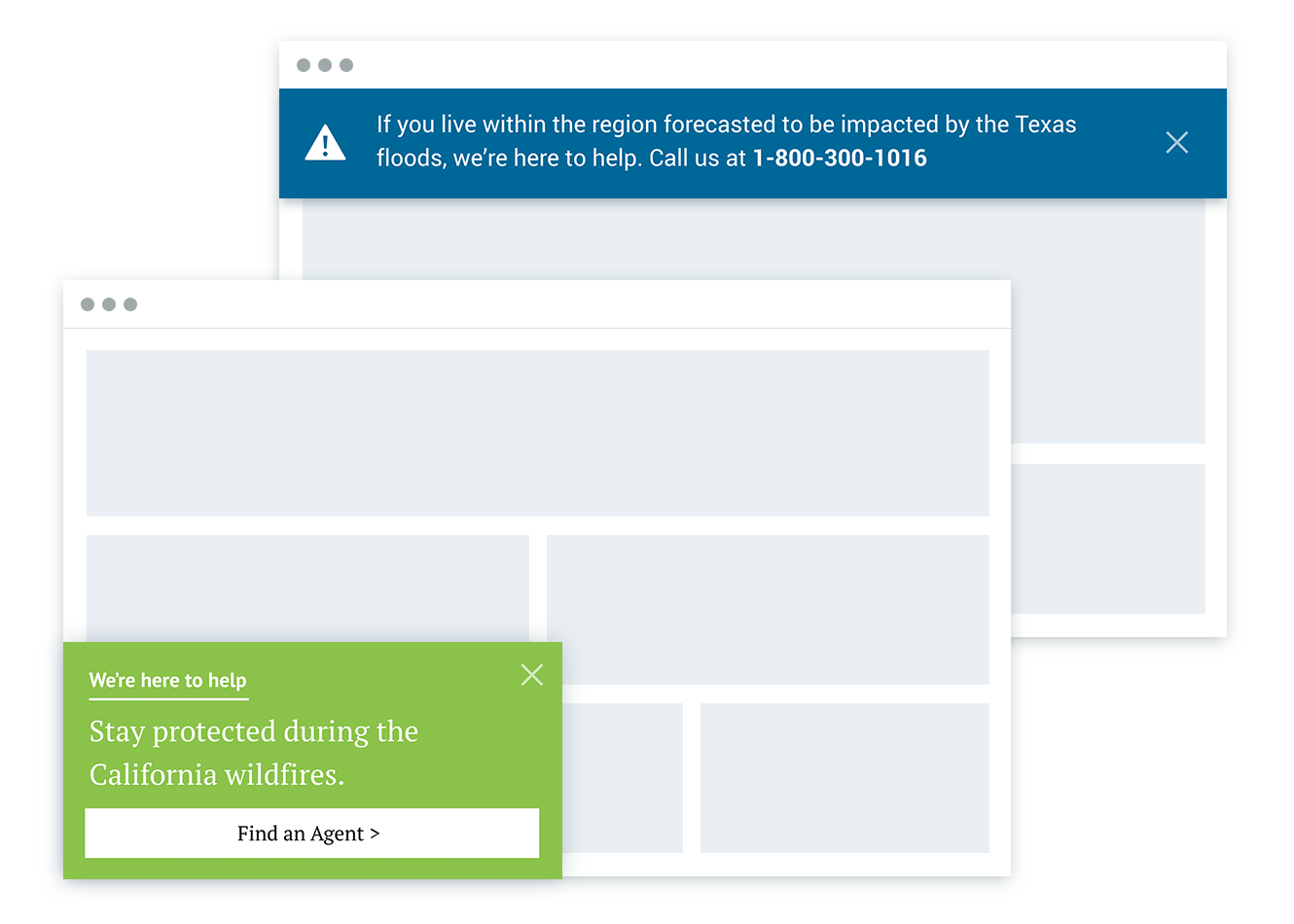
Imagine certain regions are forecasted to be hit by severe weather. During such unfortunate events, communities in these high-risk areas would be very well served if alerted in a timely manner to options for protection like insurance coverage.
For those outside the endangered area, separate messaging can be deployed.
Personalized journeys are incomplete without product recommendations to drive upsells and cross-sales. Whether an existing customer could benefit from complementary financial products or a new user needs a little extra motivation to make a decision, recommendations are a perfect solution — allowing FI brands to match the right product or promotion across users based on their intent, disclosed account information and real-time context.
Each of the personalization strategies above is readily available for finance marketers to implement. Coupled with the right technology, organizations eager to replace outdated attitudes with these modern digital strategies will be the first to reap the benefits and watch their investments appreciate over time.
And the examples listed here represent only a subset of what can be deployed today. Check out our Inspiration Library to discover more personalization examples.