Economic Insights

October 20, 2026


Matcha, influencers and a century-old bar: How the NYC Marathon doubles as an economic engine

As the race has grown, it’s fueled local businesses, according to Mastercard Economics Institute data.

google logo

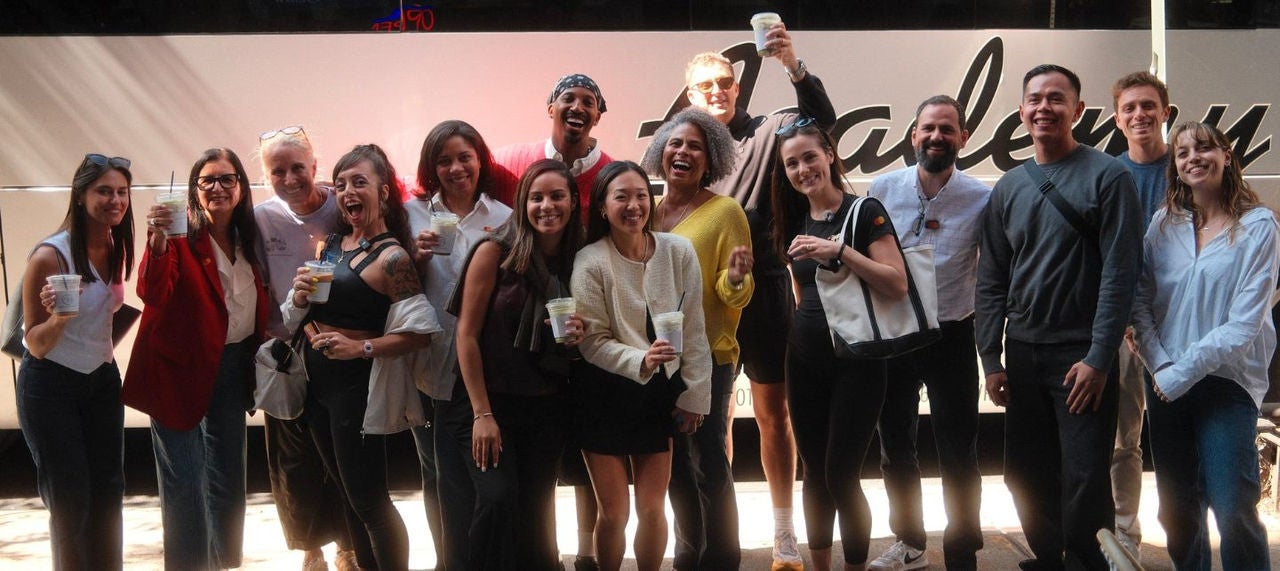
A latte ground to cover: Influencers joined Mastercard on a bus tour of the small businesses along the route of the New York City Marathon, where an analysis by the Mastercard Economics Institute found a 22% lift in spending at small restaurants and bars last year. 

Ben Fox Rubin

Vice President,

Global Communications,

Mastercard

Get on the bus!

A few weeks before this year’s New York City Marathon, an eclectic group of New York Road Runners staffers, Mastercard employees and social media influencers piled into a tour bus and drove around the city.

The meetup was equal parts historical field trip about the marathon — which has been running since 1970 — and a way to highlight the thousands of local bodegas, restaurants and shops along the route.

“The marathon represents such amazing things for New York and the community,” Ginger Siegel, Mastercard’s lead for small and medium business in North America, told the crowd at the NYRR Runcenter just before the bus tour, “but what you may not realize is what it also represents for small businesses.”

As the race has grown in size and influence, so too has its impact on the local economy. The Mastercard Economics Institute found a 22% lift in spending for small restaurants and bars along the marathon route during last year’s race when compared to an average day. That increase is possible thanks to a crush of tens of thousands of runners, huge crowds of onlookers and local businesses converting their storefronts into mini-block parties to bring in customers.

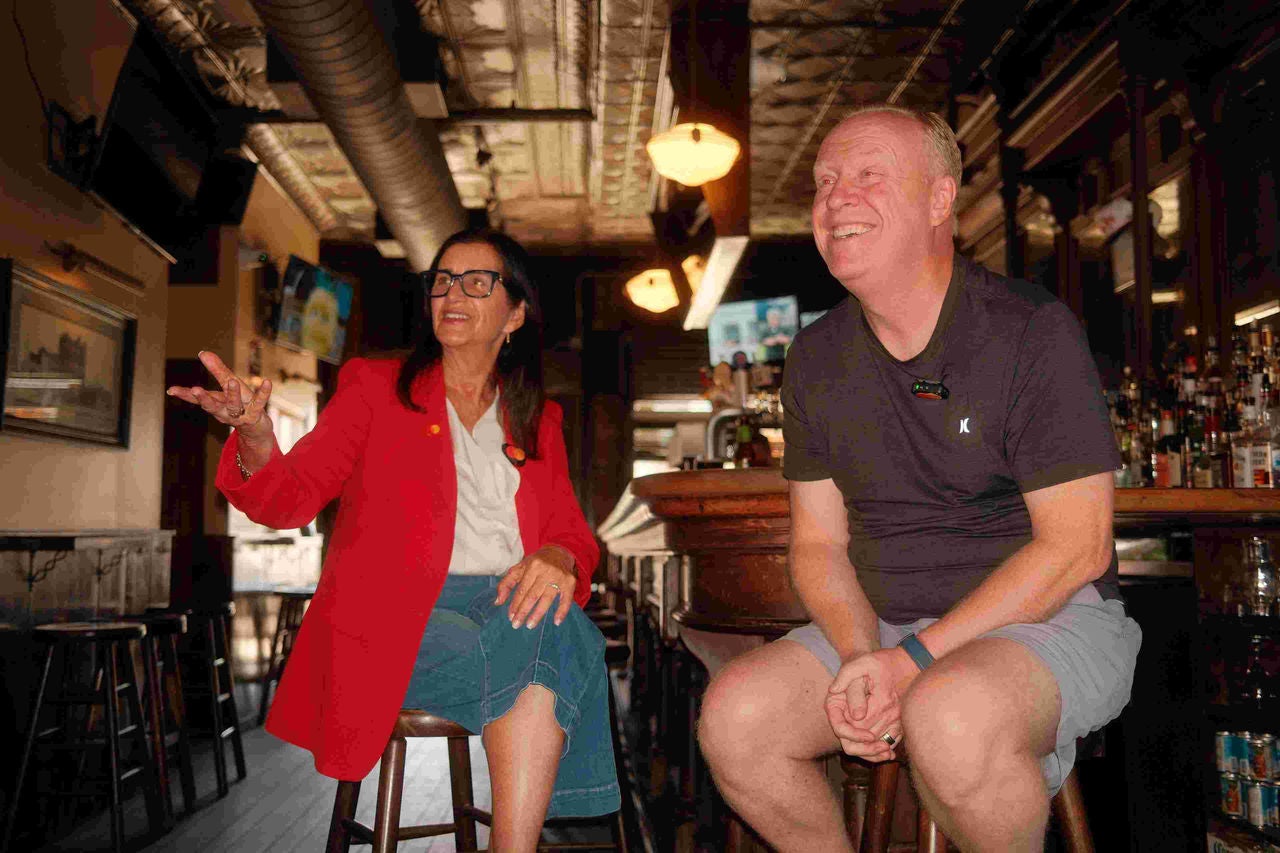
To get a better idea on what that 22% figure means for local businesses on race day, the group shuttled off to its first stop along the marathon route: LIC Bar in Queens, where owner Brian Porter greeted everyone.


Ginger Siegel, left, Mastercard North America's small business lead, and LIC Bar owner Brian Porter discussed how businesses along the marathon route can prepare for the surge in traffic that day. (Photo credit: Rebecca Abraham)


The place is more than 100 years old, with an antique wooden bar, fireplace, brick walls and an ornate tin ceiling. There’s a quaint patio in the back where the LIC Bar crew has hosted wedding receptions and summertime concerts.

Sitting at a corner of the bar with Siegel, Porter told the group how managing a business requires maintaining strong relationships, finding the best people and making sure they know that you’re there for them.

“This year I expect marathon Sunday to be the busiest day for us,” he said.

That spike in traffic requires a lot of planning to ensure there’s enough staffing, food and drinks on hand on race day, he added. That way, they can take the most advantage of the surge and turn newcomers into repeat customers, as they do every year.

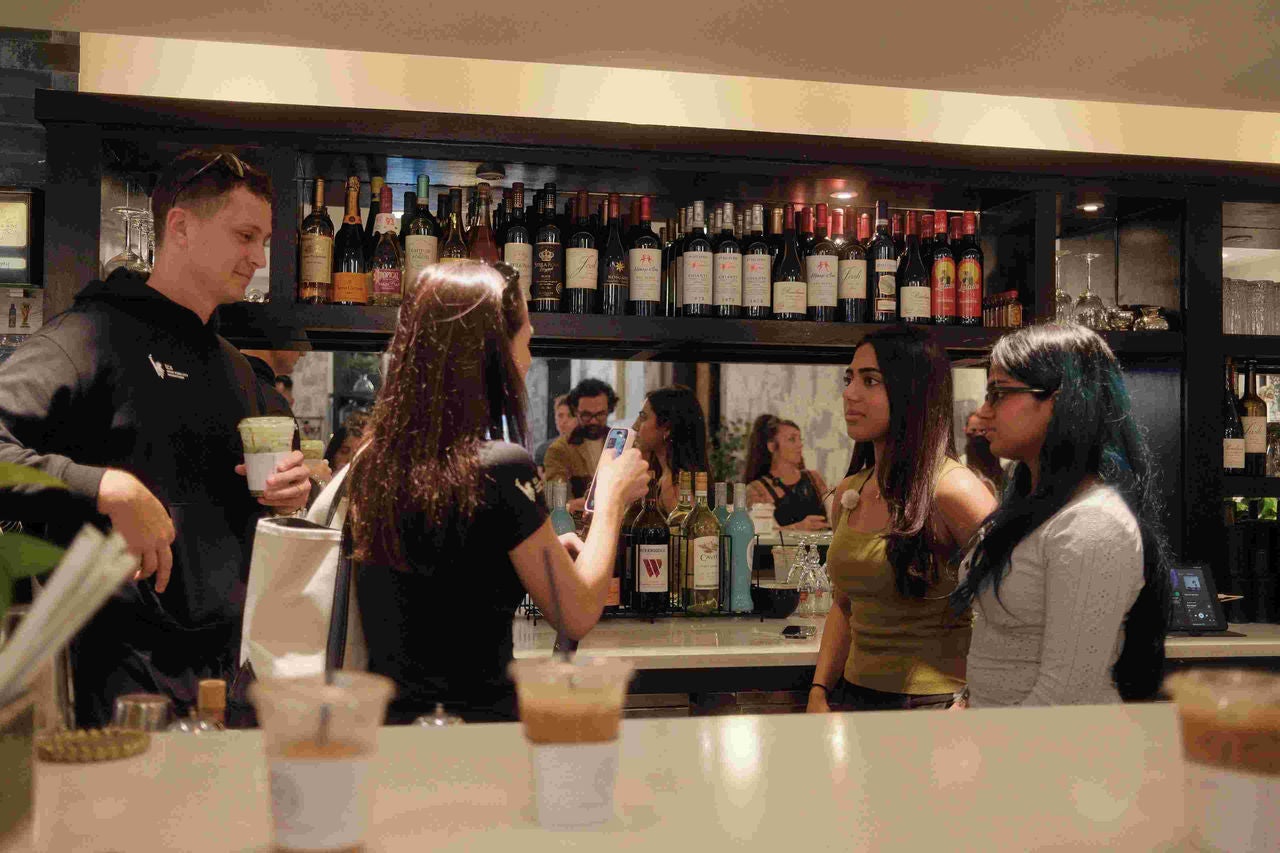
The bus then brought everyone back to Manhattan, where it arrived at IndiCo Coffee, which mixes South Indian and American coffee cultures together to create unexpected drinks like its pistachio saffron latte. The influencers in tow were, predictably enthused about the bright green rasmalai matchas lined along the bar, and they were soon filming short reaction videos with the drink on their phones.

Amid a busy lunchtime crowd, sisters Natasha and Tania Madhalam held court with behind the bar, discussing what it’s been like to open their second location just a year ago.

“We do little things to prepare for the day of a few weeks beforehand, but slowly, so that we’re not overwhelmed,” Natasha said, such as scheduling extra staff, prepping additional pastries and keeping enough beans and matcha in stock.

She said during their first marathon at the location last year, they had runners’ friends and family buy an espresso shot and pass it to them while on the route.


Sisters Natasha and Tania Madlaham, second from right and right, respectively, own IndicoCo Coffee, on the marathon route in Manhattan. They say prepping for the big day is all about pacing themselves. (Photo credit: Rebecca Abraham)


Throughout the bus tour, Road Runners staff shared anecdotes about how the race has changed along with the city and how it’s grown thanks to contributions from people like Al Eford Sr., who worked as a water captain along the course, and former Manhattan Borough President Percy Sutton, who proposed the now famed five-borough route for the marathon. Keisha Sutton-James, Sutton’s granddaughter and a former deputy Manhattan borough president, also joined the bus tour and shared stories about her grandfather’s legacy.

The first marathon in 1970 had just 127 registered runners. This year’s race will have over 60,000. Considering all that, it’s easy to start thinking about what it’s been like for Porter, the Madhalam sisters and all the small business owners who’ve managed race day along the route for decades.

What small businesses need now: Simplicity, AI and resilience

Experts at Mastercard’s Small Business Summit share practical tips for small businesses on AI, cybersecurity, resilience and managing growth in 2026.
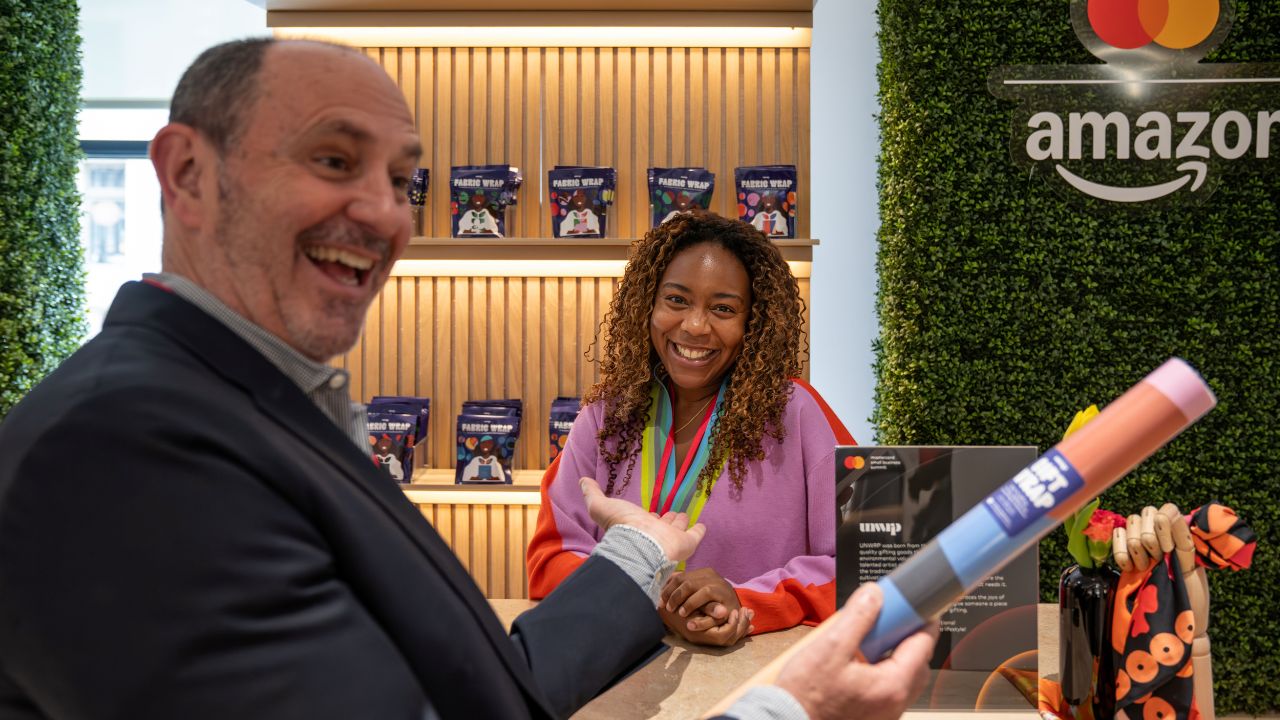
A vendor and a happy customer at the Small Business Summit.