What are you looking for?

Economic Insights
September 23, 2026
Holiday shopping may still be weeks away, but the 2026 season is setting up to be one of the strongest in years, according to the Mastercard Economics Institute’s annual holiday forecast for the U.S. MEI expects U.S. retail sales, excluding automobiles and gas, to increase 5.5% year over year between November 1 and December 24, based on SpendingPulse insights, which represent in-store and online spending across all forms of payment. That would mark the strongest holiday growth since 2022.
Solid spending is expected to show up across channels. Online sales are expected to grow 11% year over year. But the in-store figure is the more surprising one: MEI forecasts 3.6% growth, which would be the strongest showing for physical retail in four years, a sign that stores are holding their ground even as digital continues to scale.
Consumers arrive in good shape for the season. A strong job market, which supports wage growth and rising household wealth, has helped sustain solid spending all year. And while higher-income households have likely set the pace, there has been continued spending across income cohorts.
At the same time, prices are also part of the story. MEI estimates about half the growth in spending will be due to higher prices — a pattern across recent holiday seasons, though this year it's elevated energy costs and AI-driven demand behind it.
The calendar shapes the season too. Thanksgiving falls late again this year, compressing the window to Christmas and potentially encouraging retailers to begin promotions earlier. The bigger change from last year is that Cyber Monday lands in November, concentrating online shopping into one long weekend and making November an especially important month for retailers.
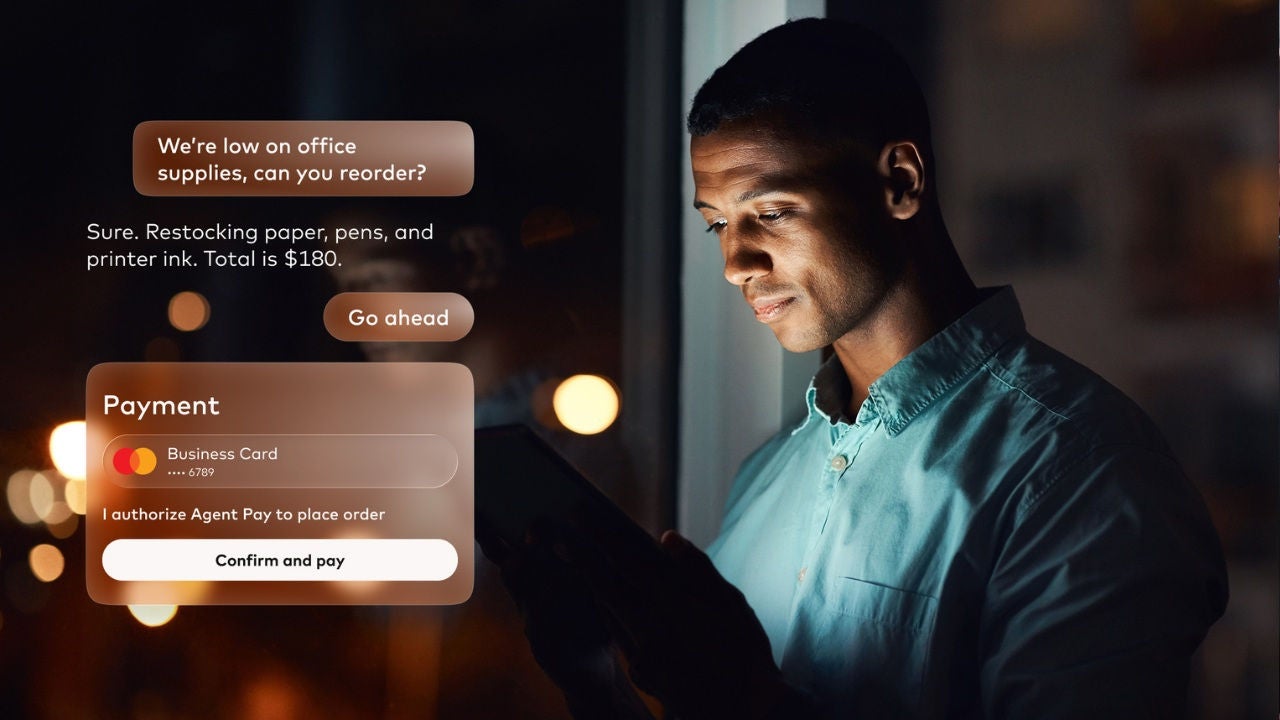
AI is becoming more deeply embedded in everyday life, while the rise of agentic commerce is introducing new ways for consumers to discover products, compare options and find value. This holiday season offers a window into how those developments intersect with consumer behavior.
Leveraging aggregated and anonymized data, MEI measured spending trends for “AI power users” — defined as consumers with paid AI subscriptions — versus those without. The main takeaway: AI power users spread their spending across a broader set of merchants, including smaller and boutique retailers. That pattern is especially evident in competitive discretionary categories such as beauty services, specialty food stores, florists and restaurants.
AI power users also tend to act earlier. In 2025, they spent a larger share of their holiday dollars before Thanksgiving than non-AI users, particularly in travel, clothing and jewelry.
Apparel showed one of the clearest examples of spending being pulled forward.
The emerging picture is of a shopper exploring a wider range of merchants and making more purchases earlier in the season. As AI tools provide more ways to discover options and identify value, that increased variety and choice could become an increasingly important feature of the holiday shopping journey.
Not every shopper is planning ahead, and the data suggests procrastination could come with a premium.
Examining the 2025 holiday season, MEI found that more than 35% of in-store spending in jewelry, handbags, department stores and cosmetics between November 22 and December 25 occurred in the final week before Christmas. Across online and in-store purchases in those same categories, average purchase value rose every day beginning December 15 and peaked on Christmas Eve.
Malls become especially important as the clock winds down. MEI estimates that more than 6% of annual spending at U.S. shopping malls occurs during the week before Christmas, roughly double the share at comparable gift-oriented retailers outside malls.
That urgency can also make it easier to overlook warning signs, making trusted, secure commerce especially important during the holiday rush, and a growing focus for the payments industry heading into the season.
Electronics could be one of the season’s most closely watched categories. Strong demand for memory chips and other components tied to the AI infrastructure buildout has contributed to a 12.2% year-over-year increase in the Personal Consumption Expenditures Price Index for video, audio, photo and information-processing equipment, a notable departure from a category where prices have historically declined.
MEI expects consumer electronics and software to deliver outsized growth this holiday season. SpendingPulse insights show spending in the category growing 10.7% year over year so far in 2026.
This holiday season, some consumers will start early, use new tools to explore more merchants and lock in planned purchases before Thanksgiving. Others will wait until the final days, when selection is tighter and the average purchase value in premium gifting categories is at its highest. Across online or in-store shopping, signs point to a season of solid growth.