Small business

March 6, 2026


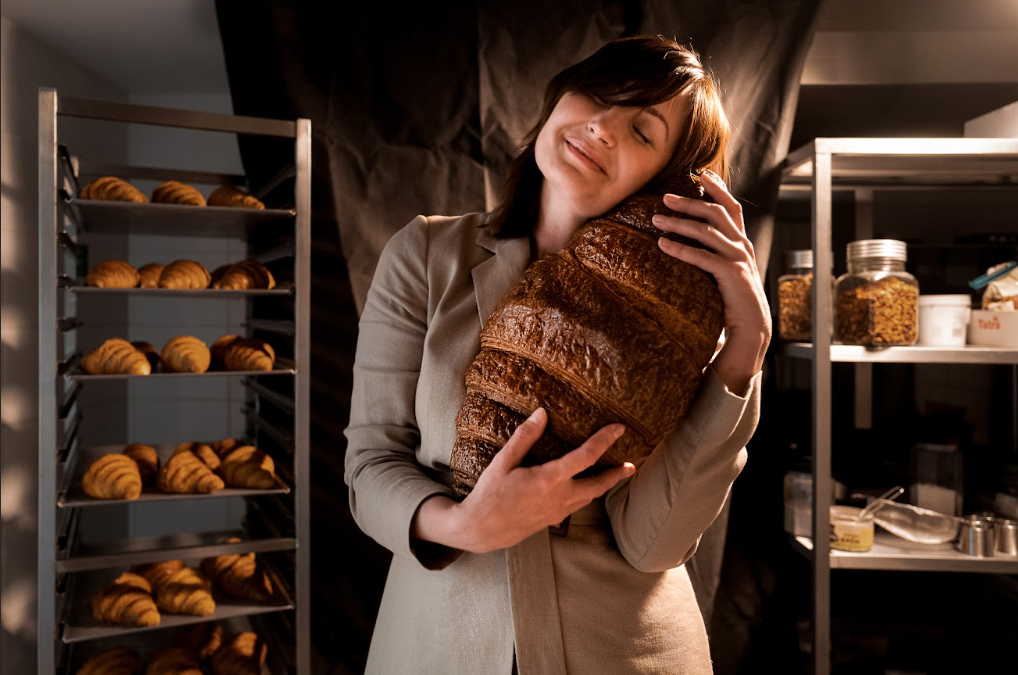
Bottling the creative process: A woman founder’s AI-powered approach to innovation

Romanian entrepreneur Catalina Banuleasa is making collaborative innovation easier for small businesses.

google logo

Dianna Delling

Contributor

Catalina Banuleasa knows that most exciting new products aren’t born from sheer luck. As an entrepreneur who’s developed products for some of the world’s most innovative companies, she’s learned that “lightning bolt ideas” typically happen only when you lay the groundwork for them: researching and analyzing customer needs, and — most importantly — engaging in structured, collaborative ideation. This process has repeatedly enabled Banuleasa to transform concepts into marketable products.

So when colleagues repeatedly nudged her to make her ideation process available to others, she was primed to seize the opportunity. In 2023, Banuleasa created Idea Morph, a web-based platform that provides a guided, AI-assisted framework for collaborative problem-solving and idea generation. It’s a tool that puts world-class ideation techniques within reach of everyone, helping them develop new products and services faster and more efficiently. She chose to focus on a group often overlooked by similar solutions — small businesses.

Idea Morph’s push to make innovation more accessible to small businesses is supported by Mastercard Strive, a program focused on helping micro and small enterprises across Europe grow through digital tools and expert guidance. Through this collaboration, the Idea Morph Community offers business owners free access to structured ideation frameworks, AI-powered insights and collaborative support — resources typically reserved for much larger organizations — helping entrepreneurs test ideas, involve customers and move forward with greater confidence. Small businesses could use AI to create new business plans, pricing strategies, and marketing campaigns.

In advance of International Women’s Day Sunday, the Mastercard Newsroom checked in with Banuleasa at Idea Morph’s Bucharest, Romania headquarters. She shared more about her product, her experiences as a woman founder and CEO, and how a little “delusional belief” in making it big can help women find the motivation to take more business risks.


What types of small businesses are now using Idea Morph, and how is it helping them innovate and grow?

Banuleasa: What we’re seeing is a diverse mix — early-stage startups, solo founders building digital products, service businesses with a couple of employees, or e-commerce shops. They all share the same reality: They have to make important decisions fast, without a big team, without research departments, and without the budget to hire consultants every time they need clarity.


Entrepreneurs are full of ideas. The real challenge is figuring out which idea deserves attention and how to turn it into something concrete. 

Catalina Banuleasa


And most of the time the challenge isn’t a lack of ideas. Entrepreneurs are full of ideas. The real challenge is figuring out which idea deserves attention and how to turn it into something concrete. What Idea Morph does is help them move from scattered opinions, feedback and assumptions to something structured [that provides] clear insights, validated ideas, and ultimately an execution plan they can act on.


Any recent success stories?

Banuleasa: A good example is a small local business we worked with that sells cooked dog food. The founder wanted to redesign their website and build a mechanism to show how people can best identify the best food for their doggos. Instead of guessing, they used Idea Morph to analyze customer reviews and feedback. Very quickly, the platform highlighted recurring frustrations customers had around booking and communication.

That insight became the starting point of a project inside Idea Morph, where solutions were generated and refined. In the end, the platform produced a structured document that could be used directly to build the new website, and the owner managed to generate and launch that first version in less than two hours.


Why is ideation so important to entrepreneurs and small businesses — and what are the keys to a successful ideation session?

Banuleasa: For entrepreneurs, ideation is not just a creative exercise, it is a survival skill. Small businesses struggle with limited resources and constantly changing markets, so they need to continuously find better ways to serve customers and adapt their offer.

Ideation with prioritization helps founders explore possible solutions before investing time and money into building them, and when done well, it helps them identify the right problems to solve and the most promising paths forward.


How are AI-powered tools changing the game for founders and small business owners?

Banuleasa: What AI is doing now is giving entrepreneurs the ability to move from idea to something tangible much faster and with far fewer resources. But the real shift is not just speed, it’s clarity. When used well, AI helps founders structure their sometimes too-many ideas, test them early, fail fast and make decisions with more confidence. In many ways, it turns the early stages of building a business from guesswork into something much more iterative and experimental.


What’s the biggest challenge you’ve faced as a woman entrepreneur — and how did you overcome it?

Banuleasa: As a woman — especially in tech —  you sometimes find yourself needing to prove expertise more explicitly before people assume it’s there. What helped me most was focusing less on trying to fit expectations and more on delivering really good results through my work. When teams experience results, when processes actually help them solve problems or move faster, credibility builds naturally.


What do you wish you’d known earlier in your career as a budding woman entrepreneur?

Banuleasa: What I wish I had known earlier is how lonely the journey can very often be. Even when you have co-founders, partners, or people around you who support what you’re building, the responsibility of making decisions, shaping direction and, of course, a lot of uncertainty, often sits very personally on your shoulders.

In many ways, being a founder means learning to become comfortable with that space, the uncertainty, the moments where there isn’t a clear answer yet and getting accustomed to sleepless nights when anxieties are elevated. But over time I’ve also realized that this is where the most interesting ideas emerge — when you allow yourself the space to think differently, question assumptions and trust your intuition a little more.


Are there any challenges specific to the women business owners you’ve worked with that remain unsolved — or that you are working to solve?

Banuleasa: Women often need more courage. And sometimes [they need] what I like to call a bit of “delusional belief” that they can make it big. In many of the women founders I’ve worked with, the ideas are strong and the thinking is solid, but there’s often a tendency to wait for more validation before moving forward. What makes a difference is that inner conviction that the idea is worth building, even before the world confirms it. That kind of belief creates momentum. It translates into a powerful, convincing attitude that helps partners, customers and investors see the vision too.

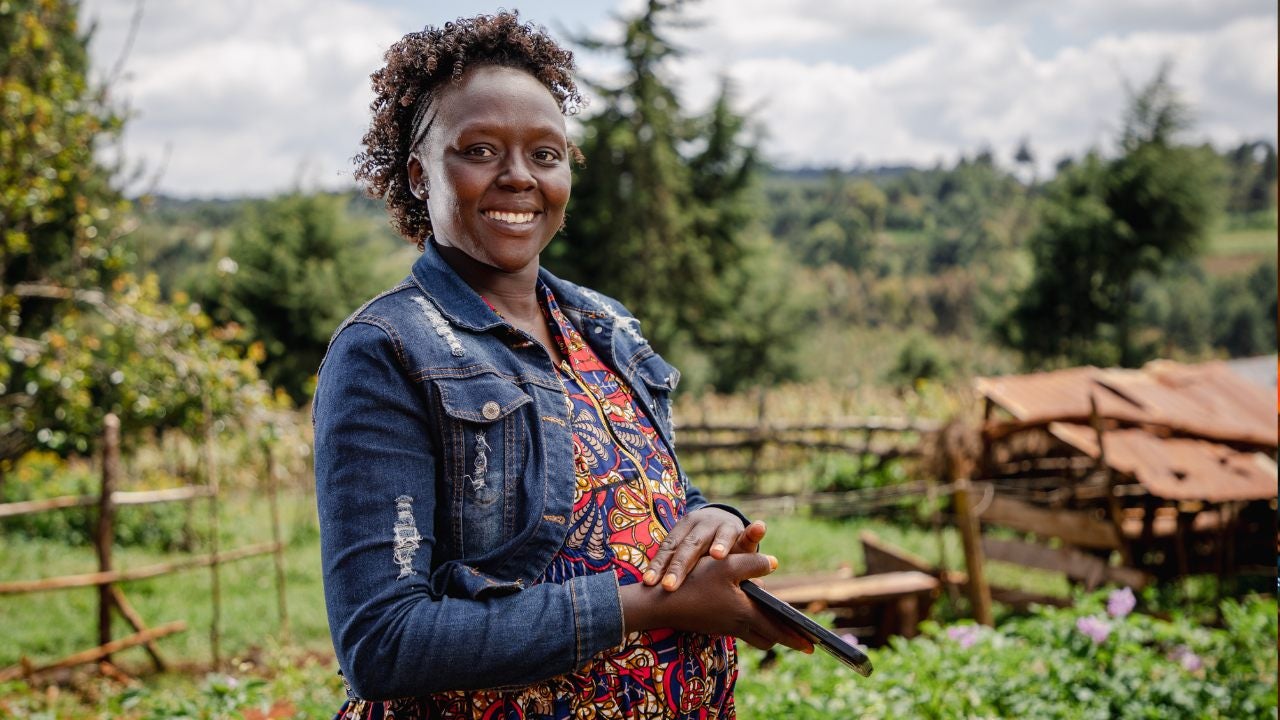
In Kenya, digital tools means less guesswork, more ground gained

Digital services through Mastercard’s Community Pass are helping women farmers access information, finance and markets — and easing the daily pressures they carry.