March 5, 2026
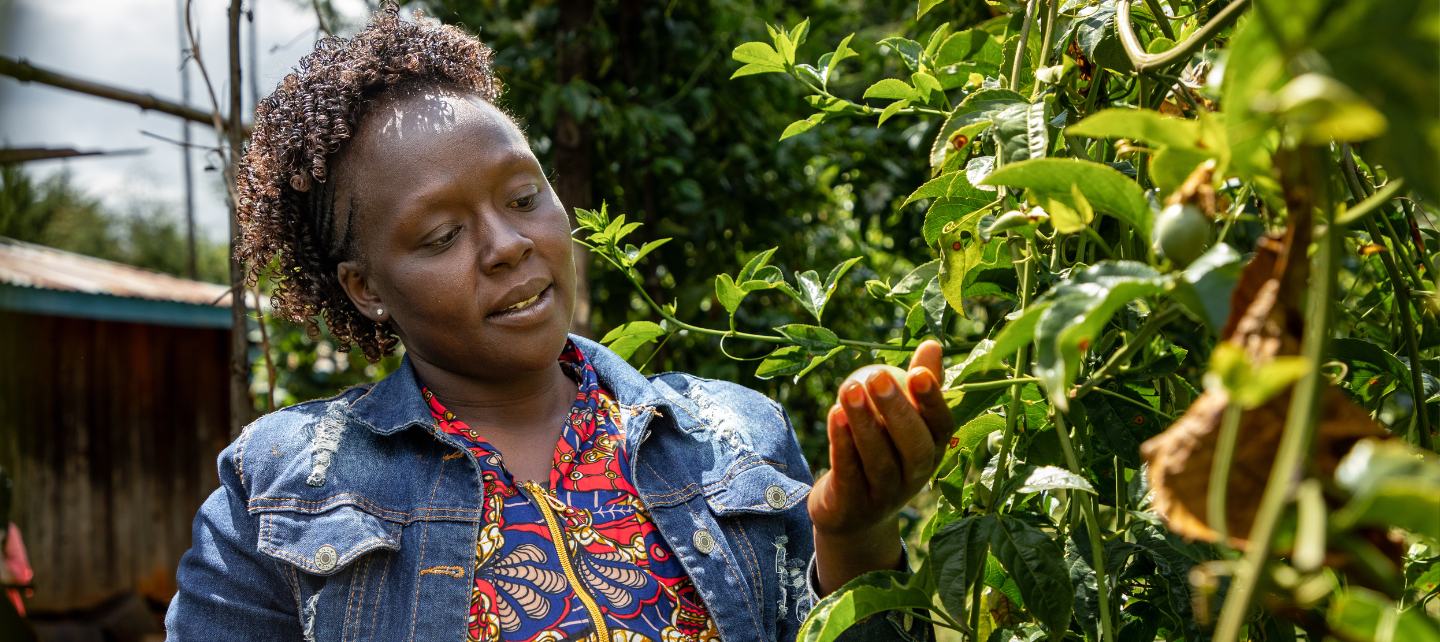
Kenya farmer Dorcas Mengich is just one of the millions of female farmers around the globe who are indispensible to the agricultural food chain, yet who face challenges from limited access to land and finance. Mastercard's Community Pass digital platform helps farmers establish transaction and production records key to proving their creditworthiness. (Photo credit: Charles Kikuvi)
Each morning, Kenyan farmer Dorcas Mengich recieves a ping from nearby Ainabkoi Farmers Co-operative Society informing her that their trucks have arrived to collect the milk produced on her farm, a six-hour drive northwest from Nairobi, in the fertile, nutrient-rich volcanic soil of Kenya’s Rift Valley.
“When I got training on digital tools, I saw improvements,” says Mengich. “Before, I used to be in the dark, you just speculated.”
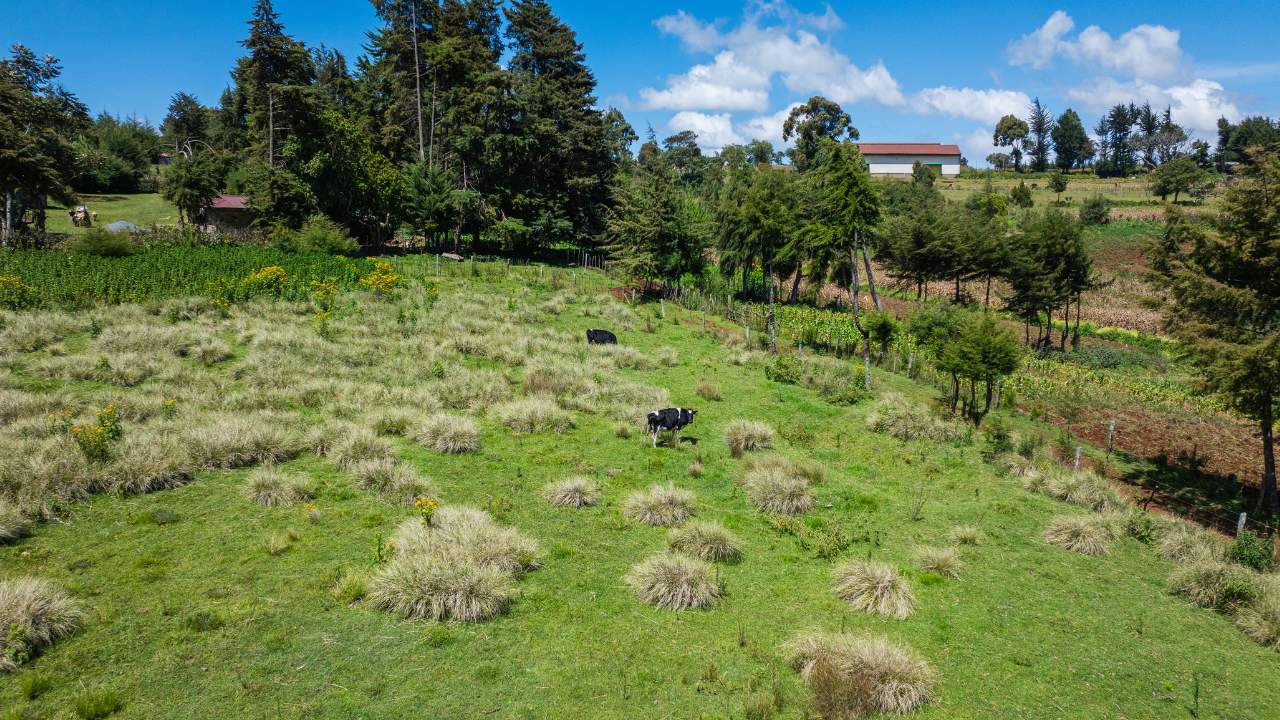
Mengich's farm is located in what's known as the bread basket of Kenya, although the region supports all kinds of agriculture, including fruit, avocado, coffee and potatoes. (Photo credit: Charles Kikuvi)
The digital tool that Uasin Gishu County cooperative uses to connect its rural and often underserved farmers is provided by Mastercard’s Community Pass. This platform digitizes interactions among the agricultural ecosystem, including farmers, cooperatives, buyers, and financial institutions.
It’s designed to enable smallholder farmers like Mengich to find new buyers and get the equipment they need to increase their farm production and earnings. And for farmers with little formal credit history, Community Pass records the transaction and production data that can help them become more visible to lenders, helping assess them for loans to buy fertilizers, animal feed and even parcels of land.
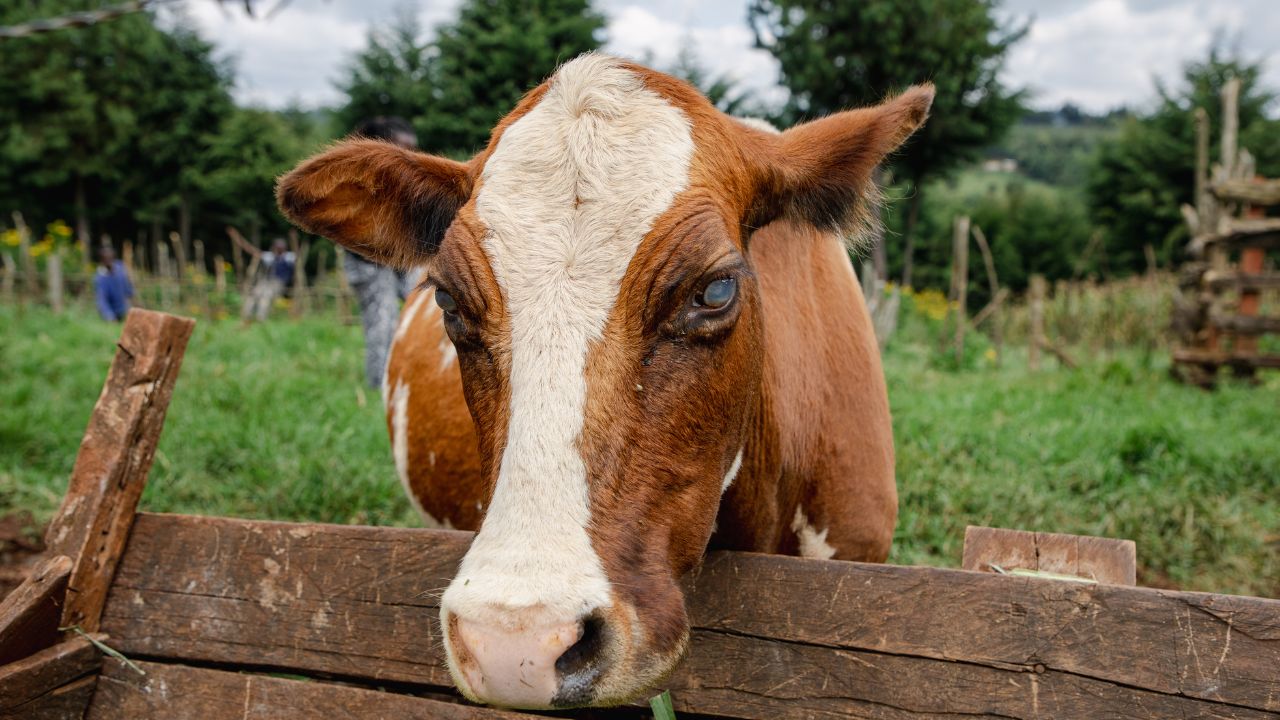
Community Pass, currently live in several sub-Saharan Africa nations, is expanding as part of an initiative called Mobilizing Access to the Digital Economy (MADE) Alliance Africa, which aims to provide digital access to critical services for 100 million people and businesses in Africa by 2034. (Photo credit: Charles Kikuvi)
“It is a lack of access to credit that confines growth across the agricultural value chain, whether at the farmer level, at the farmer cooperative level, or at the buyer level,” says Tara Nathan, Mastercard’s executive vice president for Growth Segments and the founder of Community Pass.
That’s particularly important for women farmers, who comprise nearly 43% of the global agricultural labor force and produce between 60% and 80% of the food in most developing countries, according to research by the United Nations’s Food and Agriculture Association. Not only do they often shoulder heavy domestic burdens, many lack equal access to land and finance.
The Food and Agriculture Organization of the United Nations is recognizing 2026 as The International Year of the Woman Farmer, which aims to galvanize efforts to close persistent gender gaps in agriculture. (Photo credit: Charles Kikuvi)
Alongside the potatoes, maize and passionfruit she grows, Mengich now wants to improve her herd’s milk production by building barns and getting the feed she needs to raise cattle indoors alongside the smallholding’s lush fields.
With her production and sales recorded through Community Pass, she hopes this data will help her secure loans to grow her income and pay for her children’s school fees. One day, she wants to buy more land to expand her farming business.
“Women carry many burdens. For credits and grants, women should be prioritized,” she says. “If society supports women, they will rise.”
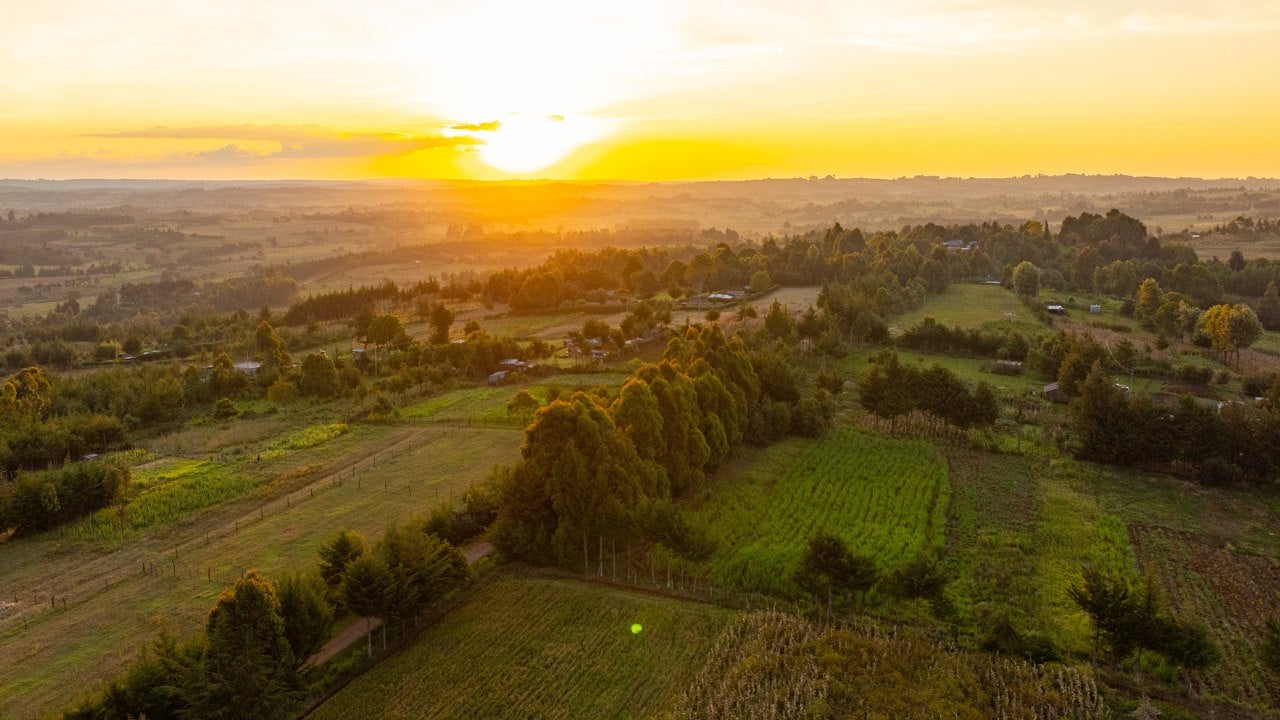
The sun rises over Mengich's farm. (Photo credit: Charles Kikuvi)