What are you looking for?
Small business
November 19, 2026
A generation ago — even a decade ago — the formula for starting a business was fairly straightforward: Build something people need or want, then figure out how to sell it to them.
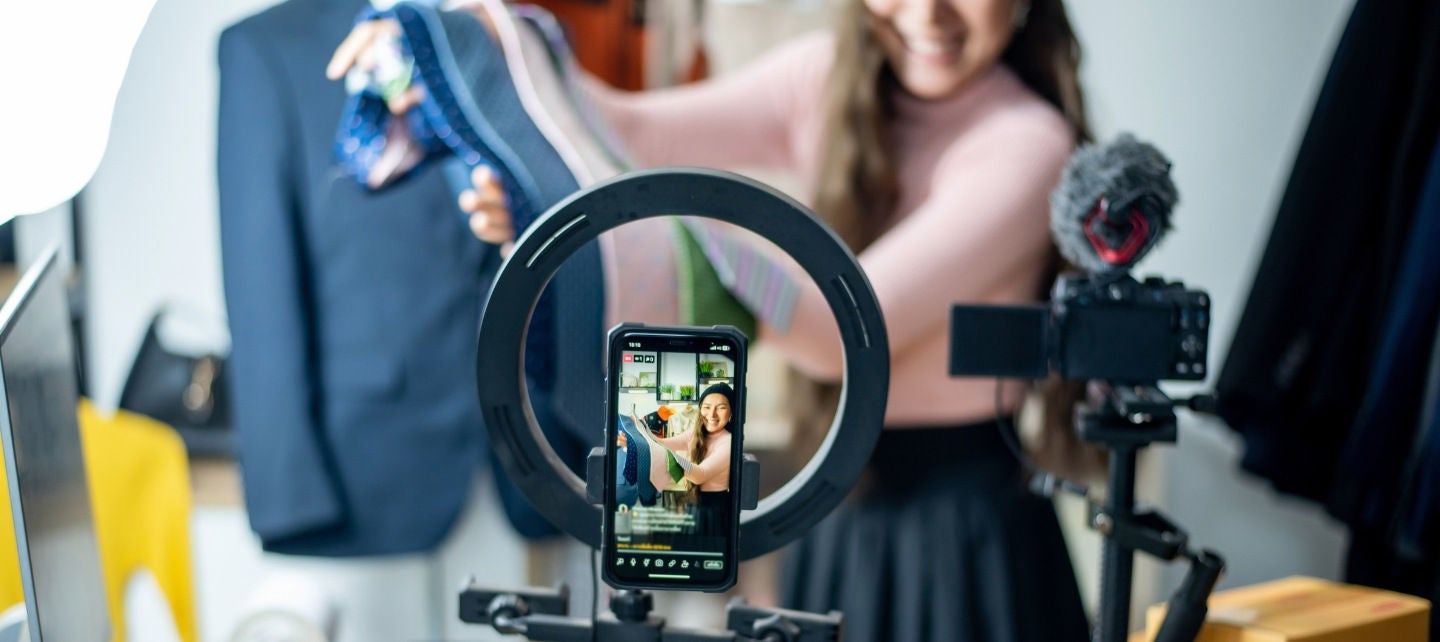
Today, that formula is being flipped. Entrepreneurs can build an audience before they build a product and transform a social following into their own company.
New findings from Mastercard’s Dreamonomics research underscores just how significant this shift has become. Nearly three-quarters of small and medium-sized businesses surveyed create content as part of running their business, while 40% are “content-powered,” meaning social media, video or other digital content has become a meaningful driver of growth, customer acquisition or revenue.
“The creator economy is growing fast, with creators proving they can turn attention into income,” says Ginger Siegel, Mastercard’s North America small and medium business lead. “The opportunity now is helping them turn that money into resilient businesses, with financial tools to simplify and increase their visibility into often complex income streams and support their growth with confidence.”
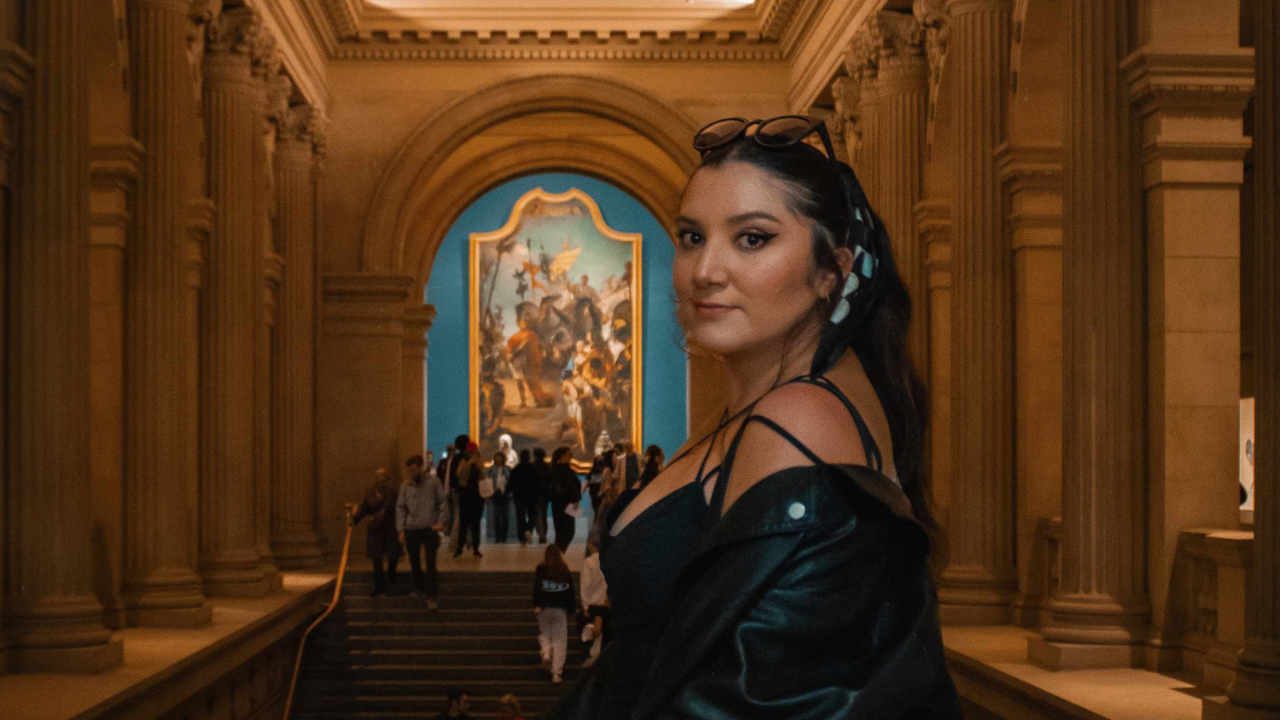
Take Chanel Tyler. She stumbled into beauty content creation while working as a marketer for a major cosmetics brand but didn’t take it seriously for several years. That all changed when she attended a summit for creators, some of whom had massive audiences. “The advice I got was ‘Treat yourself like a business. If you’re creating content, if you’re generating revenue from that, you’re monetizing that content, you’re a business.’”
Tyler is still a content creator but has also built her own small businesses, advising brands and platforms on commerce strategies and helping creators build sustainable income streams.
The biggest misconceptions about the creator economy? First, that you have to have a massive following to be successful, she says. Second, that it’s easy. For every minute on camera, there’s hours of work across perhaps 20 different jobs, including editing and coordinating the content to building relationships with brands to managing her financials. “AI and technology advancements are making it more feasible to be able to do all those jobs, but one of the things I realize is that I can’t be good at everything,” she says.
“So you’ve got to figure out when you need to outsource things, what you actually need to outsource, how you leverage AI without losing the things that make you unique, and making sure you’re not missing those critical opportunities to advance your platform, your voice, or the services you provide.”
Lumping creators together under the sprawling banner of the “creator economy” misses an important distinction, according to the research, which identifies two different paths to content-powered entrepreneurship: business creators and content creators.
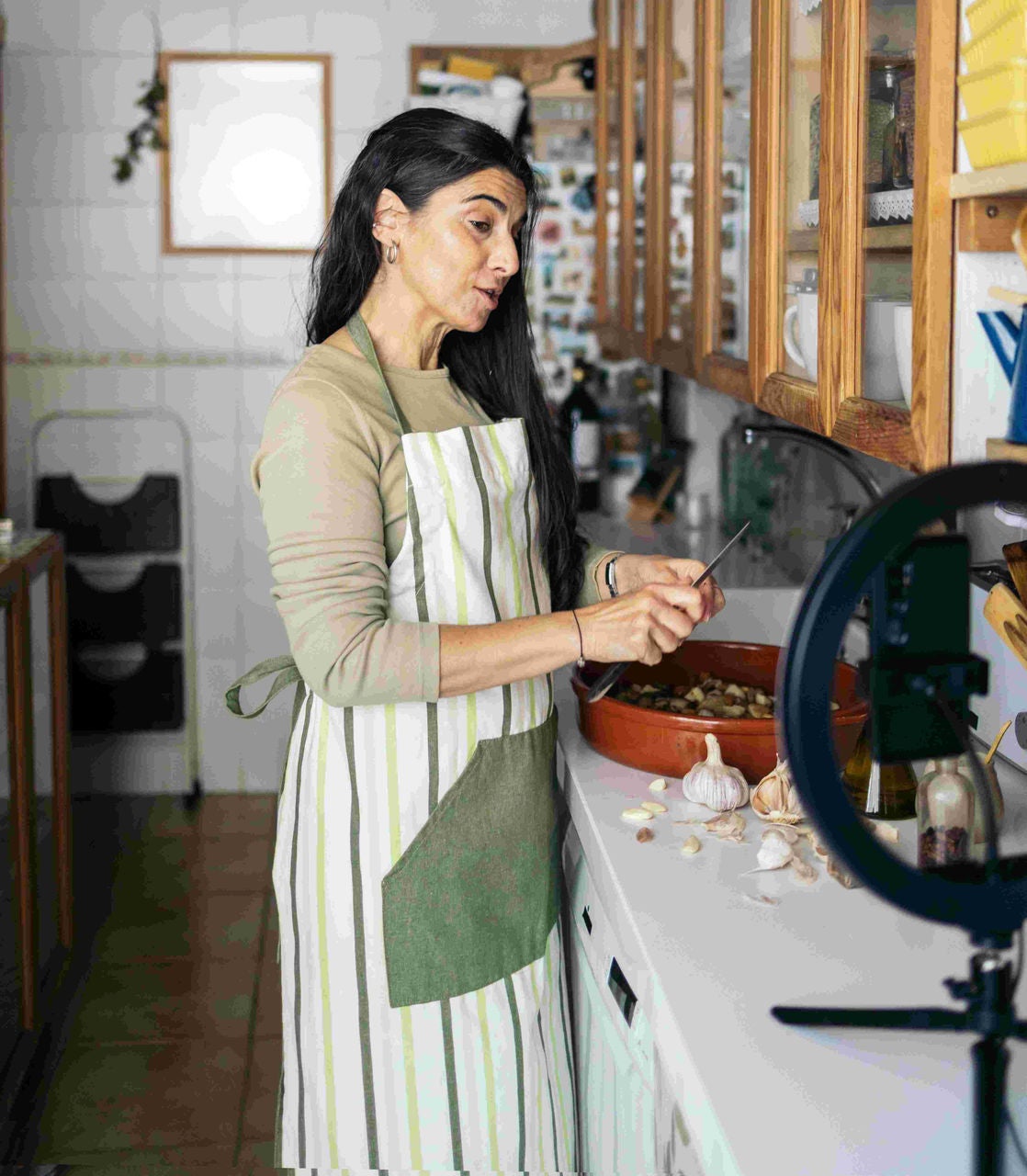
Business creators have a product or service at the center of their business – a restaurant, a store, a consultancy. Content helps them find customers and build their brand’s visibility, but most of their business revenue still comes from their core business activities. Content creators, meanwhile, are centered around the audience itself, earning money from advertising, brand partnerships, affiliate links, subscriptions and other sources. On average, 44% of their personal income comes directly from content creation.
But as creators in both groups grow, they increasingly encounter the same problem: Their businesses are becoming more sophisticated at a faster rate than the tools supporting them.
Digital platforms have made it dramatically easier to become an entrepreneur. But building an audience and building a sustainable business require different skills and different tools.
Content-powered businesses maintain a presence on four social platforms on average, while managing customers, payments, marketing, technology and, often, multiple income streams. Bringing those pieces together can simplify the day-to-day work of running the business. Among business creators, 82% say integrated solutions are important to their success.
Tyler counts eight to 10 different sources of income per month, with payments arriving at different times, sometimes unexpectedly. “I don’t have a comprehensive view of what my business looks like without my accountant,” she says. “I have to make sure I understand my cash flow well enough, and that I have measures in place to buffer me if I don’t get a payment that month.”
Although many content creators are building sizable businesses, two thirds (59%) still use personal accounts for their business, the research shows. They also say they lack access to specialized business resources and that financial institutions don’t understand their business. And they are willing to vote with their feet: 61% would consider switching their primary bank to better meet those needs.
For entrepreneurs whose income depends on their ability to continually create, every hour spent reconciling payments or wrestling with disconnected business systems is an hour spent not growing the business.
Gen Z may know their way around the digital world, but the business world is another ballgame.
Gen Z makes up 27% of content creators in the global study and (unsurprisingly, given the digital nature of their work) nearly all, 98%, use digital payments, which make it easier to track and manage cash flow. But four in 10 use personal credit cards to fund their work, which makes it harder to build a clear financial picture of their business when seeking credit. Nearly eight in 10 say building their business knowledge and skills is a key goal over the next five years. Nearly half cite burnout or stress as a significant challenge.
In other words, they may be digital natives, but they are learning to become business owners in real time.
“A million followers can build a business, but they can’t run one,” says Mark Barnett, Mastercard’s global head of Small and Medium Enterprises. “The next challenge for the creator economy is giving these entrepreneurs the financial foundation to turn that attention into something lasting.”