April 13, 2026
For much of its existence, the digital asset ecosystem operated in parallel to the traditional financial world, with very limited overlap. You had your bank account for daily expenses and your crypto wallet for investments. Moving value between the two was often slow, cumbersome and filled with friction. The introduction of crypto cards changed that dynamic entirely — and continues to transform how we think about money.
These cards represent more than just a new way to pay. They signal a shift toward an increasingly hybrid economy where digital and fiat currencies coexist seamlessly. A crypto card democratizes access to the value of digital assets. It transforms cryptocurrency from a speculative investment into a medium of exchange, allowing people and businesses to participate in the digital asset space without sacrificing the convenience, security and speed of the traditional payment networks they rely on.
This guide explores how these cards function, the different types available and the benefits they offer.
A crypto card is a payment card issued by a financial institution where card transactions are funded by your digital assets, such as Bitcoin, Ethereum or stablecoins, and stored in your crypto wallet. These cards look and feel exactly like a traditional debit or credit card.
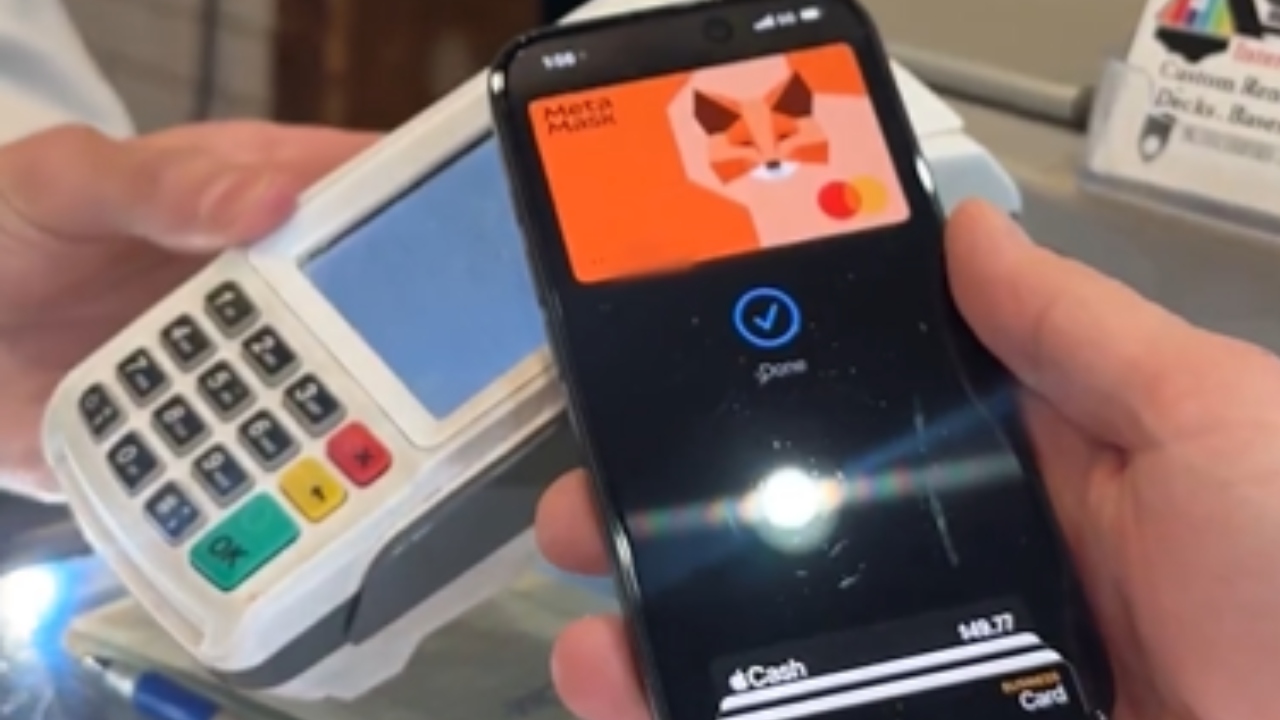
And just like a traditional card, a crypto card can be both a physical card and one that’s stored in a digital wallet created by a third-party provider. This card acts as a bridge between the blockchain economy and the traditional financial system. It allows individuals to use their digital assets to pay for everyday goods and services through a seamless crypto-to-fiat conversion at the point of sale. Whether buying a coffee, booking a flight or subscribing to a software service, these cards make digital currency as easy to use as traditional cards.
Crypto cards work by seamlessly converting crypto and fiat currency outside the payment network prior to settlement, because most merchants currently do not accept cryptocurrencies directly. Merchants price their goods and are paid using the same local currency, whether that’s U.S. dollars or Japanese yen. With crypto cards, that doesn’t change, thanks to a sophisticated series of steps that convert digital assets into acceptable fiat currency in real time.
When you use a crypto card to make a purchase, the card issuer — typically a regulated financial institution, sometimes in partnership with a crypto platform or fintech partner — identifies the transaction amount. If the card is a debit-style product, the issuer instantly sells the equivalent amount of cryptocurrency from your connected digital wallet.
Once the crypto is sold, the resulting fiat currency is transferred across the payment network to the merchant. This entire process happens in seconds. The merchant will not know that you funded the purchase through the instantaneous sale of crypto, and you do not need to manually sell assets and withdraw funds from a bank account days in advance.
There are two ways for spending the balance of your crypto card. With specific asset selection, you choose which cryptocurrency the card should draw from. For example, you might choose to spend a stablecoin like USDC, or you might choose a floating crypto like Ethereum or Solana. Alternatively, you could use a priority order, setting a hierarchy of assets, and if the primary balance is too low to pay for your purchase, the system automatically moves to the next asset on your list to complete the transaction.
Self-custody wallets differ from wallets associated with a crypto exchange in that the exchange takes care of storage, security and selling assets when you make a purchase. But crypto cards work with both kinds of wallets. With self-custody wallets, you control your own private keys and approve transactions yourself, so it gives you more control over your assets up to the point of sale.
While a crypto card transaction feels as instant as traditional cards, and many of the same parties are involved, the process is different in one significant way: It involves an asset exchange. That means users must be aware of potential costs in the spread — the difference between the market price of an asset and the price at which the issuer sells it to fund the transaction. While many issuers advertise zero transaction fees, the spread can sometimes act as a hidden cost.
There are different kinds of crypto cards, although many operate on the same financial model. Just like traditional finance, the sector is divided into debit products and credit products.
A crypto debit card connects directly to your existing balance of assets. It is a prepaid instrument in the sense that you cannot spend what you do not have. If your wallet holds $500 worth of Bitcoin, that is your spending limit. When you initiate a transaction with a debit card, the issuer debits the cryptocurrency from your account immediately. Some cards require you to "top up" a fiat balance by selling crypto manually within their app before spending, while others perform the sale automatically at the point of sale.
A crypto credit card functions much closer to traditional rewards credit cards. When you use these cards, you are borrowing fiat currency from the issuer, not the card network, to pay the merchant. You receive a monthly statement and must pay back the balance. The “crypto” aspect comes in the form of rewards. Instead of earning airline miles or cash back, cardholders earn a percentage of their spending back in cryptocurrency, subject to the issuer’s terms. For example, spending $1,000 might earn you $20 worth of Bitcoin or a platform’s native token.
Another form of crypto credit card is secured cards. In this model, you deposit cryptocurrency as collateral. The issuer grants you a credit limit based on the value of that collateral, say 25% of the asset value. This allows you to spend without selling your assets, which can be a strategic move to hold assets you believe will appreciate. However, if the value of your collateral drops significantly, you may face a "margin call" where the issuer sells your assets to cover the credit line.
As crypto moves from speculation to everyday utility, crypto cards help close the gap between holding digital currencies and actually using them without changing how merchants accept payments. Currencies — from the Latin currere, meaning “to run” — are meant to be circulated as a medium of exchange, after all. Crypto cards simplify how value moves between blockchain networks and traditional payment systems securely, making digital currencies usable in the real world, without asking people to change where they shop or how they already pay.
Please accept functional cookies to watch this video.