Sustainability

April 23, 2026


From burn scar to blueprint for rebirth: How this Canadian forest is being rebuilt

On First Nations land ravaged by wildfires, 400,000 seedlings are placed in protective microsites, timed to snowmelt moisture, and carefully monitored to improve survival in hot, dry country.

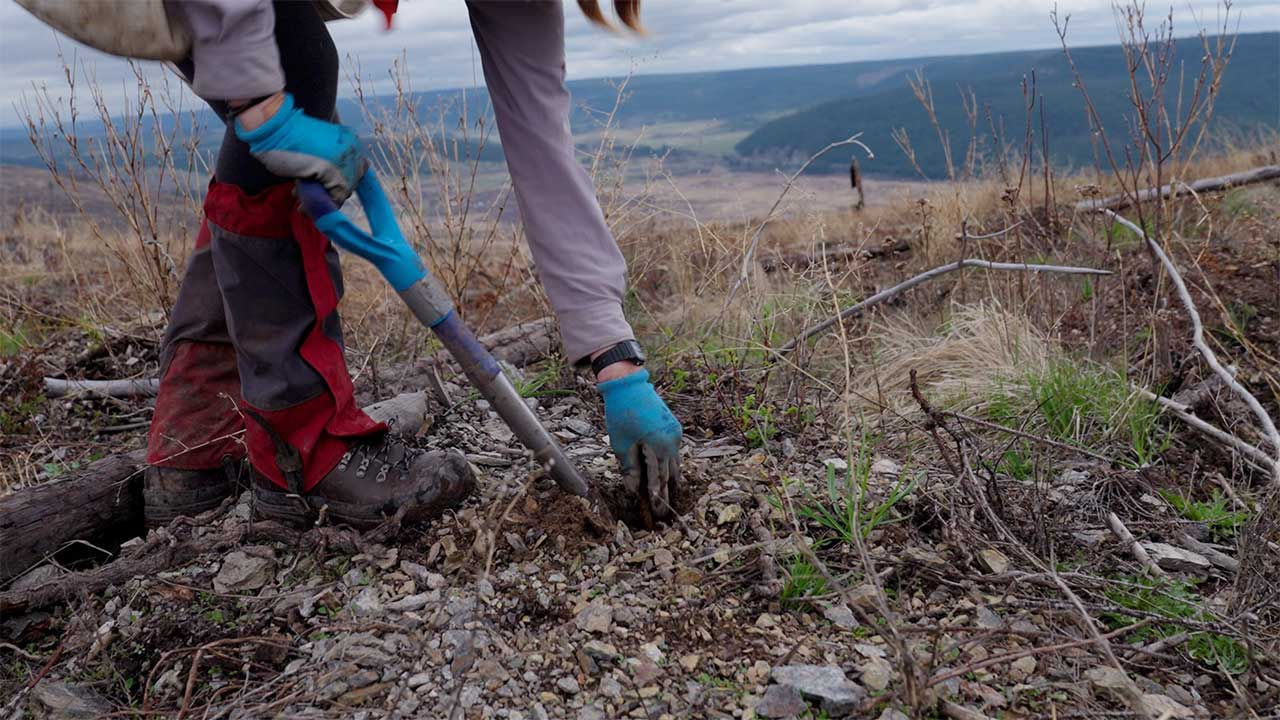
A person plants a seedling.

In a fire-scarred portion of the Thompson-Nicola Valley watershed, a mix of Douglas fir, Ponderosa pine, lodgepole pine and spruce hybrids have been planted, selected for resilience in hot, dry country where future fire risk remains high. (Photo credit: OOAK productions)

Dianna Delling

Contributor

On June 30, 2021, as drought conditions and record-breaking temperatures bore down on the dry, rugged interior of British Columbia, a spark set off one of the most devastating fires in Canada’s history. The Lytton Creek fire burned for more than a month, ripping through 320 square miles in the rugged Thompson-Nicola region, igniting structures and destroying millions of trees in its wake. Its effect on humans, animals and the landscape, including lands belonging to First Nations peoples who have called the area home for millennia, has been devastating. 

Five years later, though, signs of tree life are slowing returning to one 909-acre portion of the landscape owned mostly by the Shackan Indian Band. Here, not far from the Nicola River in the Thompson-Nicola Valley Watershed, some 400,000 evergreen conifer seedlings now dot the fire-scarred soil. The national nonprofit Tree Canada, in partnership with Cariboo Carbon Solutions, Mastercard’s Priceless Planet Coalition and members of the Shackan community, led the restoration project in spring 2025 when they planted a mix of resilient native species including Douglas fir, ponderosa pine, lodgepole pine and spruce hybrids.

As they drink in snowmelt and establish their root systems, the tender trees are signs of hope that the ecosystem can thrive again. Reforestation projects like this one can accelerate forest regrowth rates by nearly 26%, according to researchers at Northern Arizona University. And they can be essential to recovery in regions like the Thompson-Nicola River Watershed, where fire killed nearly all the trees in some areas and chances of natural recovery are slim.

“We’re doing what we can to ensure that this is a successful planting, which in this part of British Columbia is not an easy feat,” says Colin Little, program manager of the National Greening Program at Tree Canada. “This is hot, dry country. That’s why it’s so susceptible to fires.”


Restoring resilience

Reforesting areas prone to future fires might at first seem counterintuitive. But planting the right trees in the right places can lower burn risk, and trees are vital to overall ecosystem health. They help mitigate the effects of climate change and sequester carbon dioxide. In areas like the Thompson-Nicola Valley, forests also have significant cultural value.  

That’s why developing the best reforestation plan for this location required months of collaboration by forestry and ecological experts, Little explains. That included professionals at the Vancouver-based forestry consultancy Cariboo Carbon Solutions, as well as the people who live in the area.

“Members of the Shackan Indian Band shared knowledge of the land that’s been passed down for generations,” Little says. “The local community has been involved every step of the way.”

Before a single seedling went into the ground, he says, Shackan leaders and staff reviewed the planting plan and weighed in on where restoration would happen on their reserve lands, how crews would access the sites, and what a healthy, restored landscape should look like. Community engagement sessions helped surface local priorities and concerns — including ensuring that Tree Canada and its partners were committed for the long haul, not simply planting and leaving.

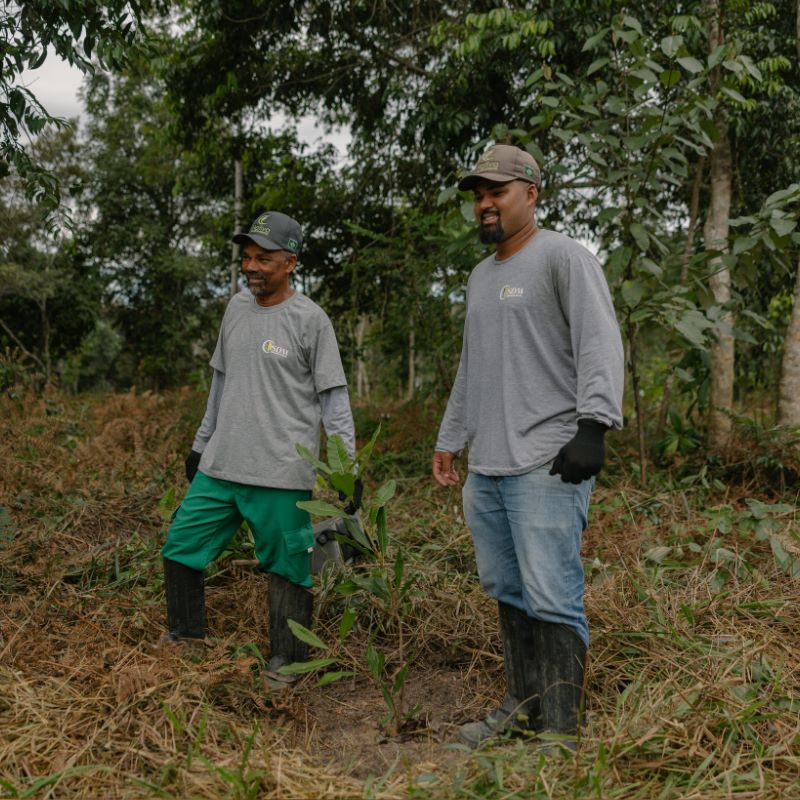
And as monitoring begins, Shackan members are taking an active role in tracking the seedlings’ survival: Cariboo Carbon Solutions has trained community monitors to collect field data to inform future infill planting and long-term stewardship. 


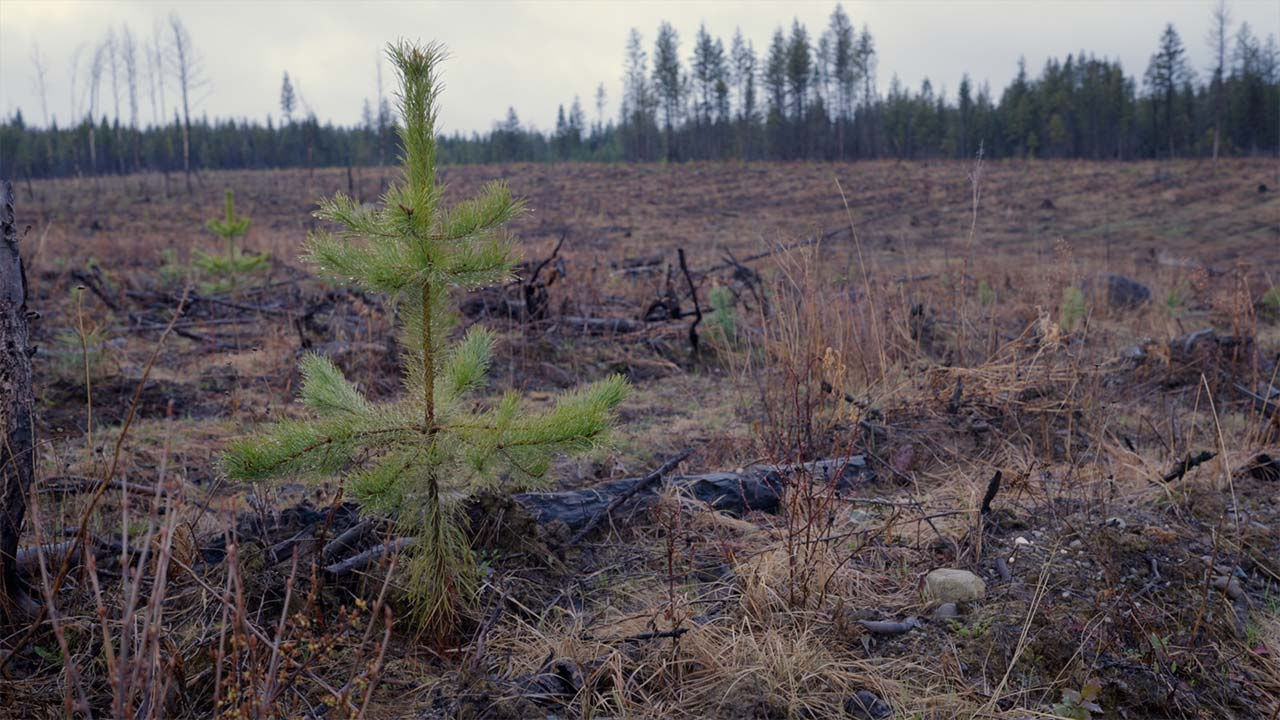
A small tree grows on land destroyed by wildfires.

The project isn't complete with planting. As a follow-up, site monitors walk the land to record conditions and progress and repeat surveys for five years. (Photo credit: OOAK productions)


Reforestation will support plant and animal life, including the moose, elk, mountain goats and black bears that are important parts of local First Nations cultural heritage. Once reestablished, the trees and their intricate root systems will fight soil erosion, prevent flooding and filter water that drains into local rivers and streams, improving water quality and helping the area’s trout and salmon populations thrive.

A mix of trees was selected, with an emphasis on establishing native plants that have resistance to low- and medium-intensity fires. “Obstacle-based” planting strategies also make a difference, Little explains. Groups of seedlings are planted in carefully selected microsites where landscape features like hills, dips or tree stumps provide protection from the open sun and wind, regulate temperatures and improve moisture conditions as they become established.   

Timing for the initial plantings is critical as well. Though the seedlings were originally scheduled to be placed in fall 2024, organizers delayed planting work until the following spring because of extremely dry conditions. “We knew that if we planted in the spring, the melting snow and spring rains at the site would improve soil moisture conditions at the time of seedling planting,” Little explains. “That’s part of the process — you have to be adaptive.”


Committed to the journey

This spring, a year after the initial planting, site monitors from Cariboo Carbon Solutions will walk the land, making baseline observations of the seedlings’ progress, and paid Shackan Band members will continue to collect data at the permanent sample plots over the next few years. Meanwhile, growers at Shackan Nursery, an Indigenous-owned greenhouse, will be supplying native shrub and tree species to Cariboo Carbon Solutions to be planted throughout the valley in the future.

“We’re not just going there to plant trees and then walking away,” Little says. “When we see mortality that exceeds a certain threshold, we’ll come back in to support replanting and infill in areas where it’s appropriate.”

Long-term monitoring that goes beyond the scope of many forestry projects is standard procedure in those funded by the Priceless Planet Coalition, a program led by from Conservation International, which, with World Resources Institute, partnered with Mastercard to launch the initiative. It aims to restore 100 million trees, with planting sites on six continents, from the High Andes to the coastal blue carbon ecosystems of the Arabian Peninsula to the flooded forests of Cambodia.

Reforestation, after all, is a long game, where commitment and patience are non-negotiables. “We’re still early in the journey,” Little says. “We’re a couple of years into this, and there are many more years to come.”

Uniting to help restore 100 million trees

With Conservation International and World Resources Institute, Mastercard is supporting nature, restore ecosystems and improve livelihoods of communities globally through the Priceless Planet Coalition. 

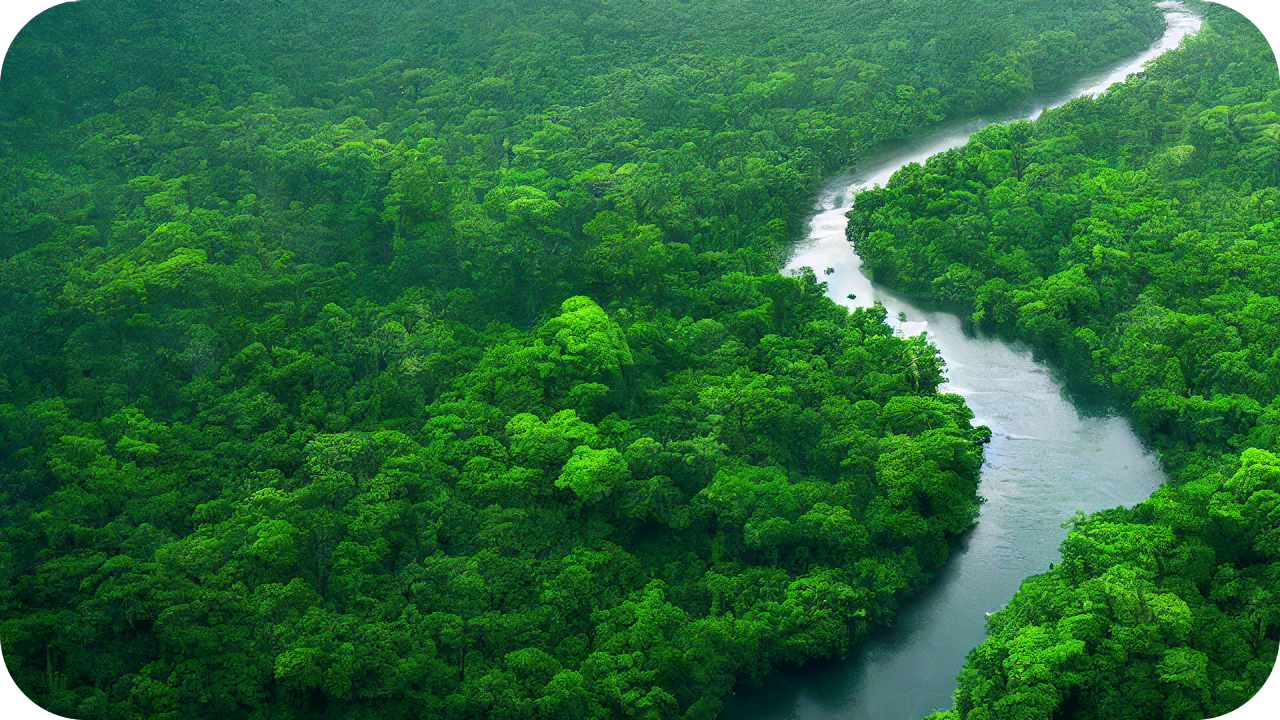
A river winds through a jungle.