Sustainability

April 21, 2026


In Los Angeles, luxury retail’s second — and more sustainable — act

Luxury vintage pioneer Doris Raymond has spent decades proving that style can last. Younger shoppers are buying in.

google logo

Beth Szymkowski

Contributor

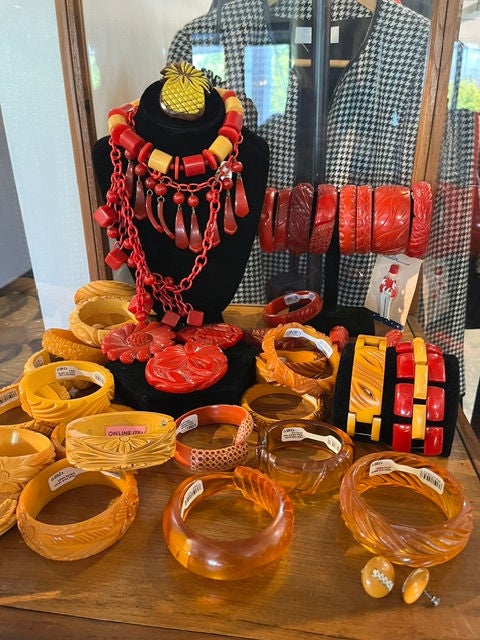
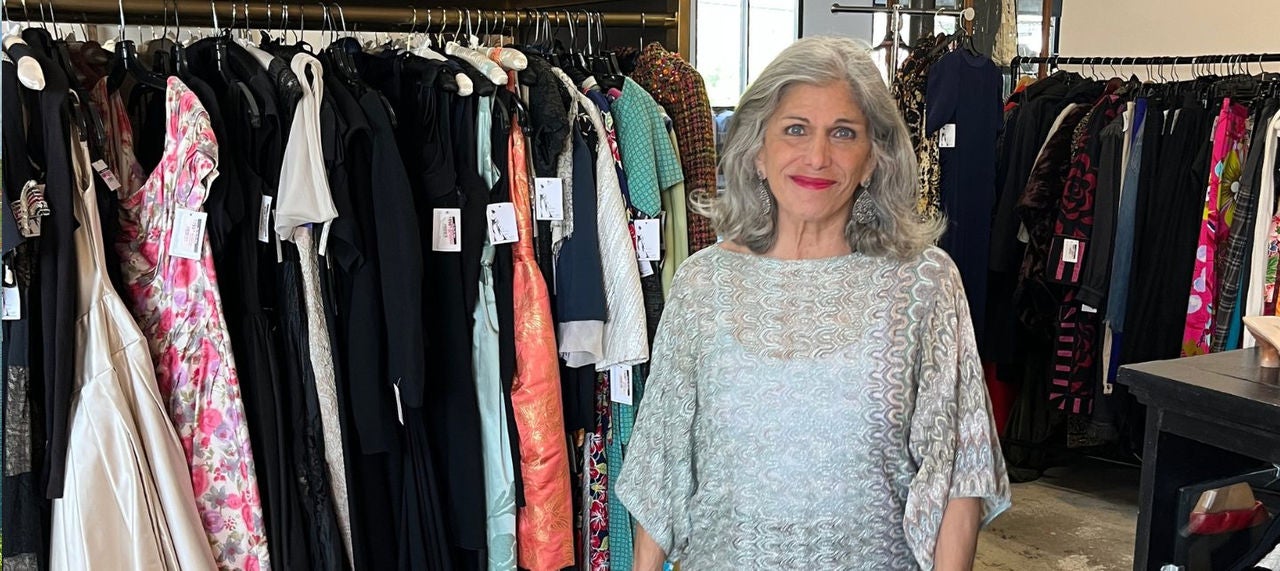
At first glance, The Way We Wore could be mistaken for an ordinary Los Angeles secondhand store with a warehouse vibe. Huge windows cast warm light onto cement floors and racks hung with an eclectic mix of clothing and accessories. But a closer look reveals that it is more like a museum of fashion history. Some items date back to the early 1900s. There’s a rack of Chanel. Another of Pucci. Orange and red Bakelite jewelry fills a shelf in a glass case. Doris Raymond, a longtime leader in the world of high-end vintage fashion, carefully curates every item in the showroom.

After 45 years in the vintage business, Raymond is suddenly right at the forefront of fashion. The resale market is growing fast, driven in large part by younger shoppers. Nearly half of Gen Z and millennials say they search for secondhand or used items more often than they used to, compared with roughly a quarter of boomers, according to Mastercard’s December 2025 Consumer Collective Financial Sentiment survey.

And an upcoming analysis by the Mastercard Economics Institute shows Finland, France and the U.S. leading the way, with circular spending accounting for 10.5% of clothing store spending in Finland, with resale the vast majority.

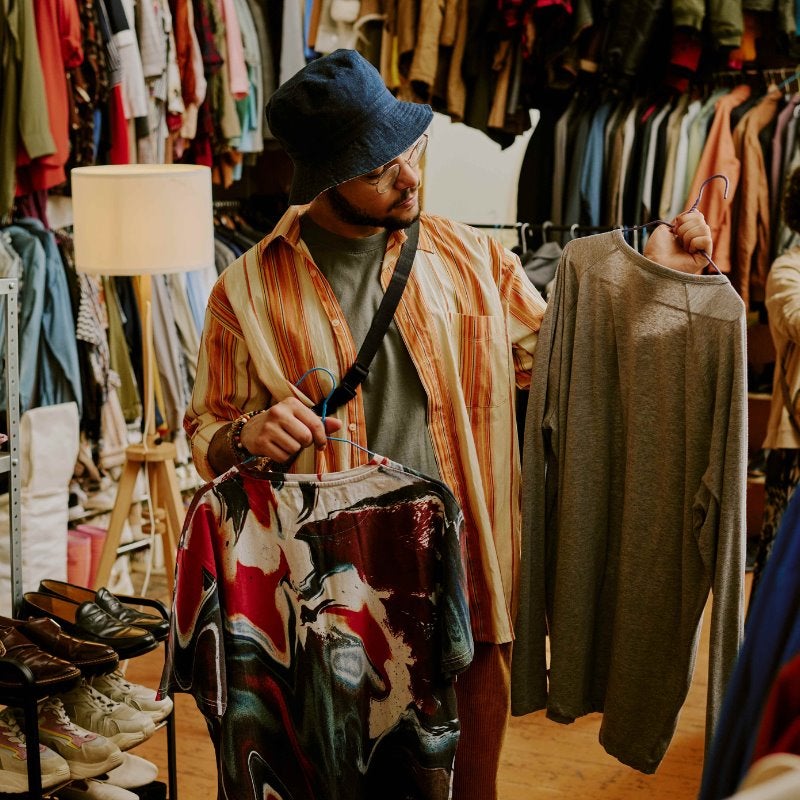
Part of the appeal is that reusing items is better for the environment, and younger generations say they’re willing to pay more for goods that align with their values. Those sustainability concerns, along with tariff-related price increases on imported goods like fast fashion, will likely feed the circular economy trend.

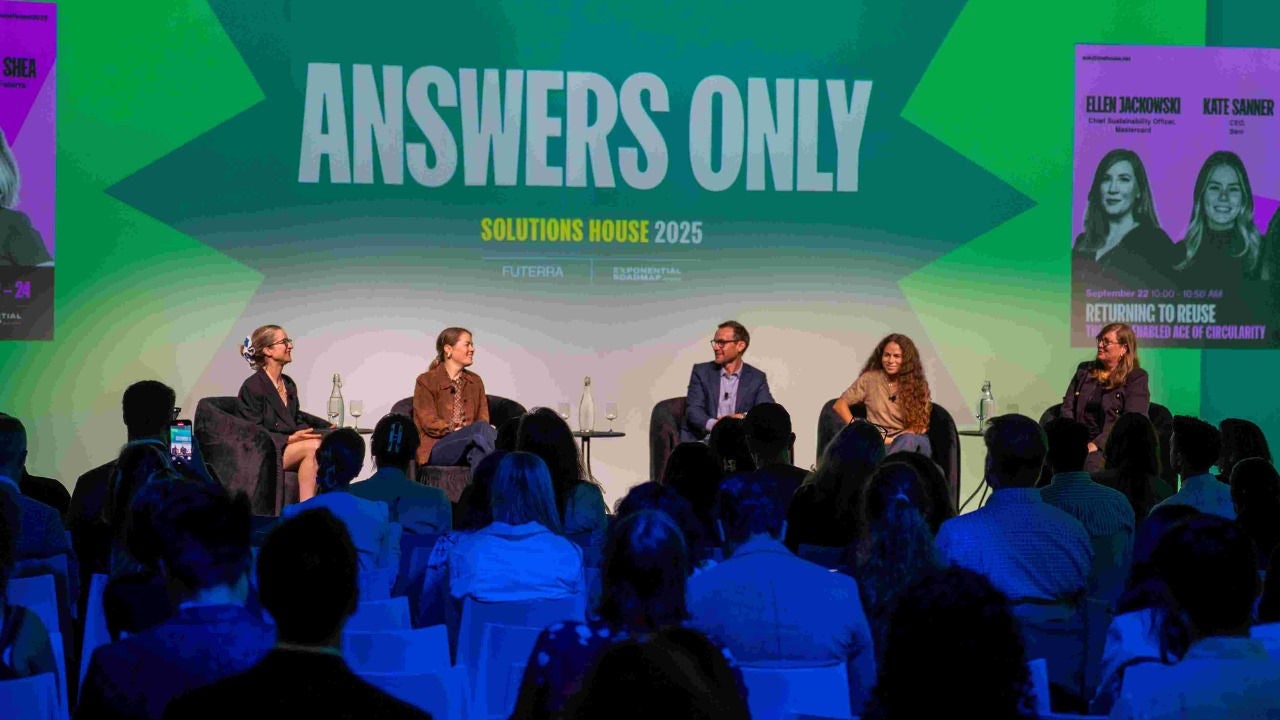
“We’re watching circular spending move from the margins to the mainstream,” says Ellen Jackowski, chief sustainability officer at Mastercard. “It’s not a fad; it’s economics. When value meets values, everybody wins: consumers, merchants, and the planet.”

Secondhand fashion is now a $256 billion global business on track to reach $367 billion by 2029. Raymond’s corner of the market, luxury resale, which includes a handful of e-commerce giants, made up 27% of online luxury apparel spending in 2024, while mass-market resale climbed to 5.4% in 2025, according to the Mastercard Economics Institute’s 2025 report on fashion and the circular economy. And in Los Angeles, where Raymond is based, circular fashion makes up 7% of online apparel spending, the report says. 

“I’m an accidental sustainable person,” Raymond says with a laugh while taking me on a tour of her appointment-only showroom. She has always been drawn to older clothes that were made with a level of care and quality that fast fashion lacks. “Why throw away money on something that’s not made to last, even if it’s four times the price? If you buy a classic, something that’s not trendy, it’ll be with you for a long time.”

 

Colorful, chunky and often carved, Bakelite jewelry was also affordable, hitting its peak of popularity in the Depression. Today the pieces are highly collectible. (Photo credit: Beth Szymkowski)


Raymond, who starred in the Smithsonian Channel series “L.A. Frock Stars,” became interested in vintage clothing as a teenager looking for an inexpensive way to express her unique style. She grew her passion into a business in the San Francisco area, eventually opening a store, doing vintage clothing shows and renting pieces to the film and television industry. She moved to Los Angeles in 2004 and, in addition to her brick-and-mortar shop, now maintains a YouTube channel with more than 100 episodes and an online store.

Unlike many high-end vintage shops that sell only clothing from the past 30 or so years, Raymond’s showroom is lovingly filled with items from the last century as well as more popular items from recent decades. Customers might find Gucci cage stiletto booties perched on shelves near Emanuel Ungaro pumps, but her collection is not based on big-name designers only. “A label isn’t everything,” she says, pointing out a dress’s intricate handmade lace and the artistry of a slyly whimsical Anthony Ferrara chain-mail belt with two hand-shaped clasps. “If something transcends time, that’s what matters.”

Sharing her passion is part of why Raymond offers deep dives into fashion history for customers, including through a curated Priceless Experience for Mastercard cardholders. She might show guests an elegant 1920s flapper dress and compare it to a 1960s minidress, explaining how both styles emerged as a reaction to societal change. In the 1920s, shortly after women gained the right to vote, clothing evolved to reflect their newfound freedoms: Hemlines rose and the restrictive corsets of earlier eras were abandoned. The Civil Rights and anti-war movements of the 1960s ushered in a similarly liberated style. After the Priceless Experiences, participants frequently peruse the showroom with newfound appreciation for the items they see.

“My biggest joy is inspiring other people,” Raymond says. “That’s why I’m doing the Mastercard events. Every single exoerience that’s happened, I’ve enjoyed it as much as the people who came. I know they leave feeling really, really good.”

Sustainably on trend

Circular fashion is gaining market share, has different seasonality trends than the broader retail space and is concentrated in cities, a Mastercard Economics Institute report shows. 

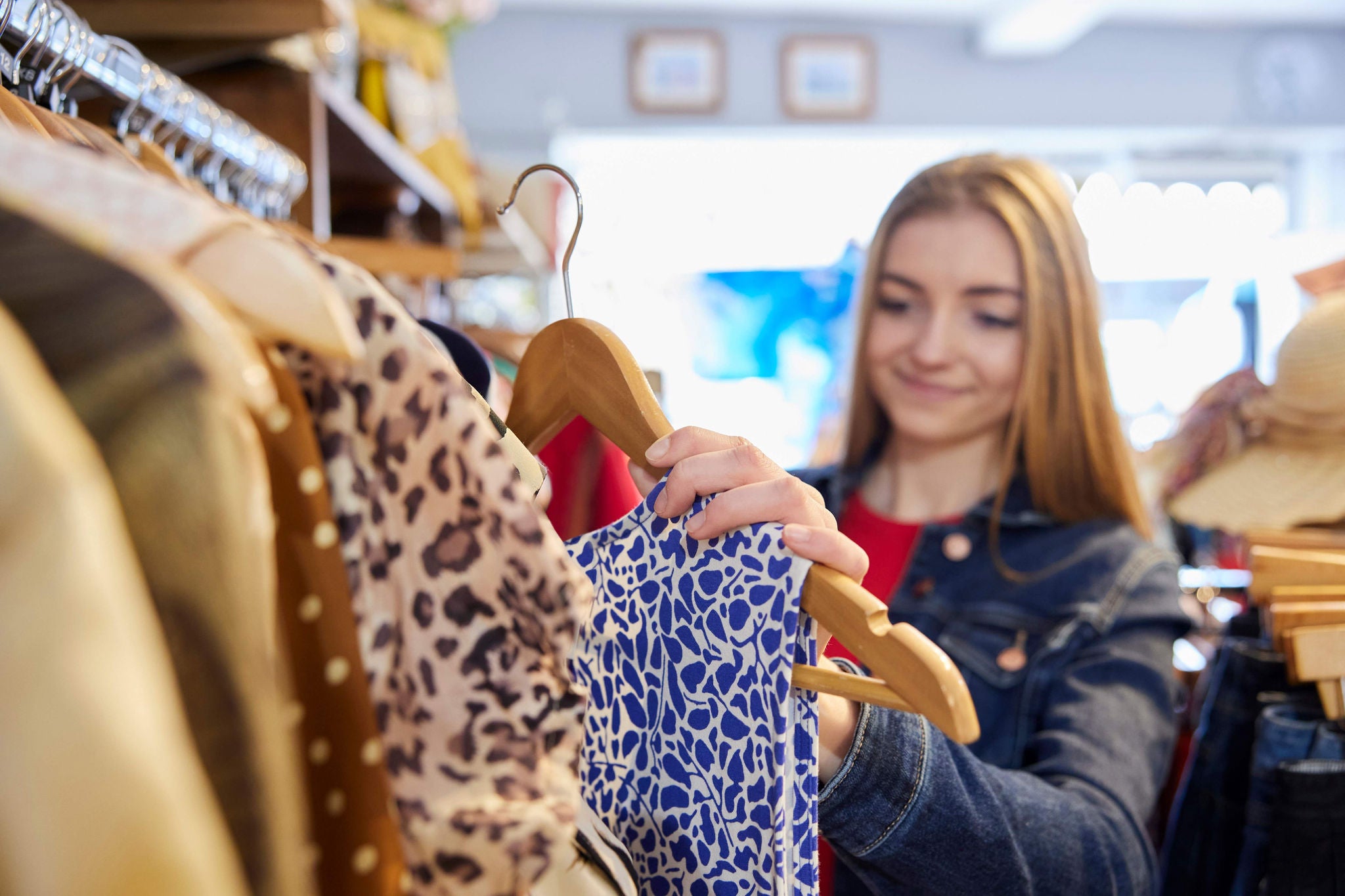
A woman looks at a dress in a secondhand shop.