Mastercard at 60
August 18, 2026
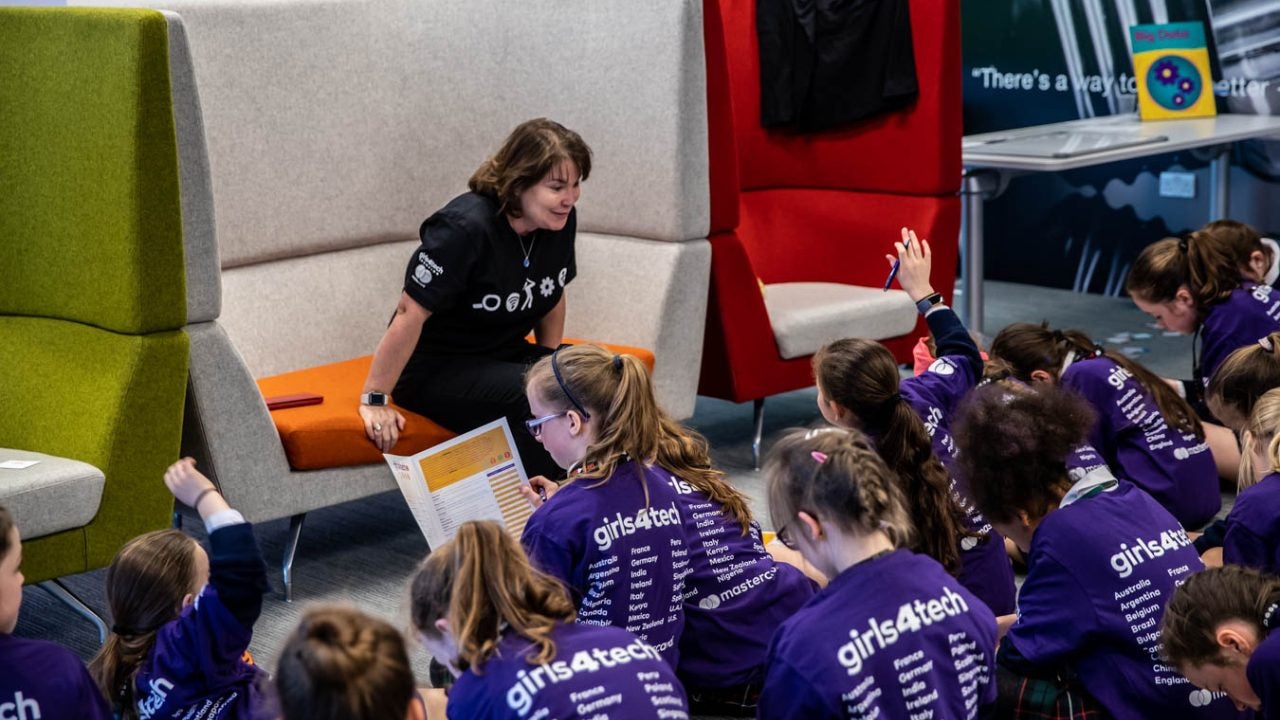
Susan Warner leads Mastercard's volunteering programs and started the CEO Force for Good Awards a decade ago to recognize the employees who exemplify the company's volunteering ethos. She also launched Girls4Tech, which inspires students to build technology skills that will help them become leaders of tomorrow. Hundreds of employees around the globe volunteer at Girls4Tech events, helping students learn about algorithms, cryptography and other skills. (Photo courtesy of Mastercard)
When former Ironman Nick Pifani began rapidly shedding weight and suffering painful gastrointestinal problems in 2017, he drove himself to the nearest emergency room.
A battery of tests revealed devastating news: At 42, Pifani had advanced stage pancreatic cancer and just a 3% chance of survival.
Married with two young children, the endurance athlete channeled all his strength and resilience into combatting one of the deadliest forms of cancer.
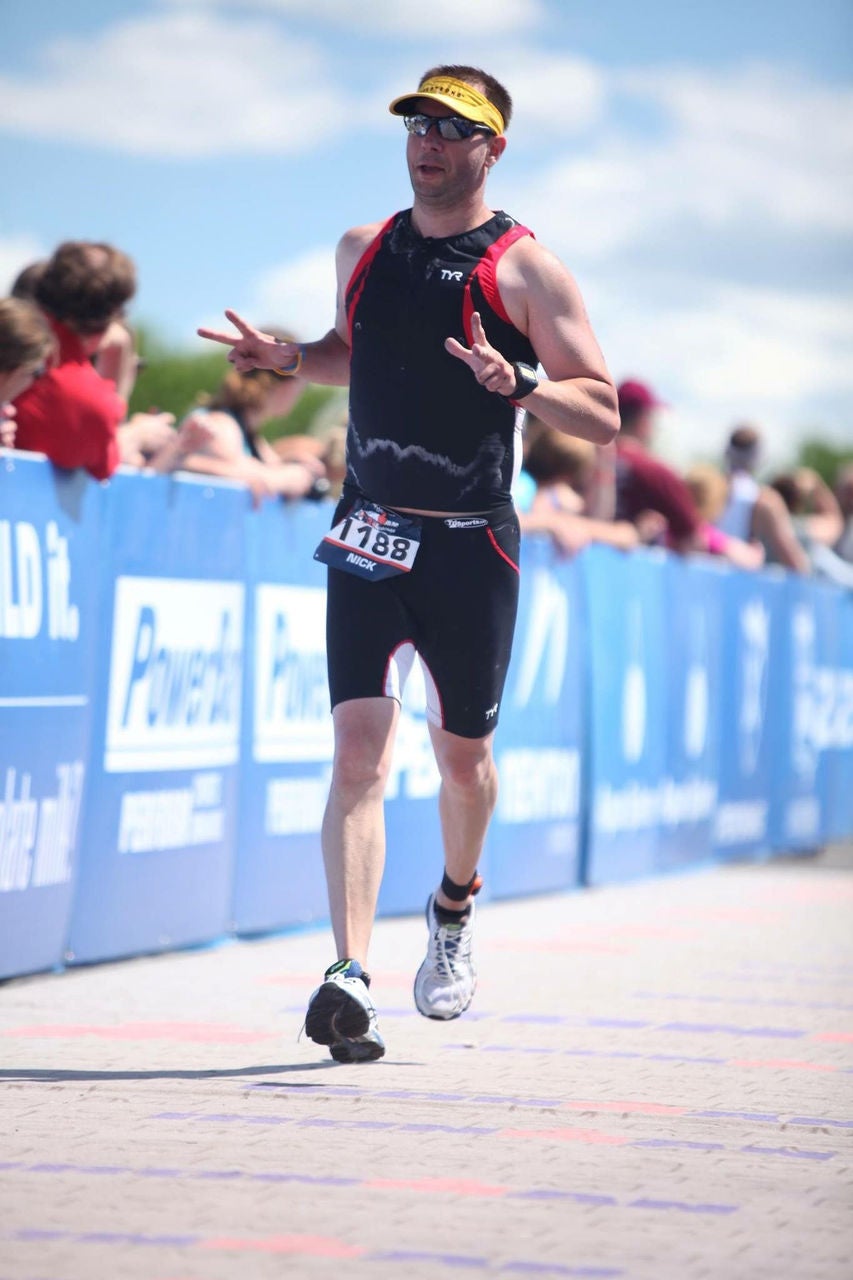
Prior to his diagnosis in 2017 for stage 3 pancreatic cancer, Nick Pifani was a marathoner and Ironman competitor. (Photo courtesy of Nick Pifani)
He signed up for a clinical trial and swore that if he made it through the intense chemotherapy, radiation and surgery, he would mentor and support others navigating this disease.
Sure enough, six months after his diagnosis and just 10 days after a grueling 12-hour operation, he convinced his wife to push him in a wheelchair to the finish line of a 5K race for the Pancreatic Cancer Action Network.
He successfully beat back the cancer in late 2017. Before long, he was co-leading the nonprofit’s Philadelphia chapter, just over the Delaware border from where he lives South Jersey. He now regularly travels to Washington, D.C., to meet legislators and help secure funding for pancreatic cancer research and advocate for improved screening.
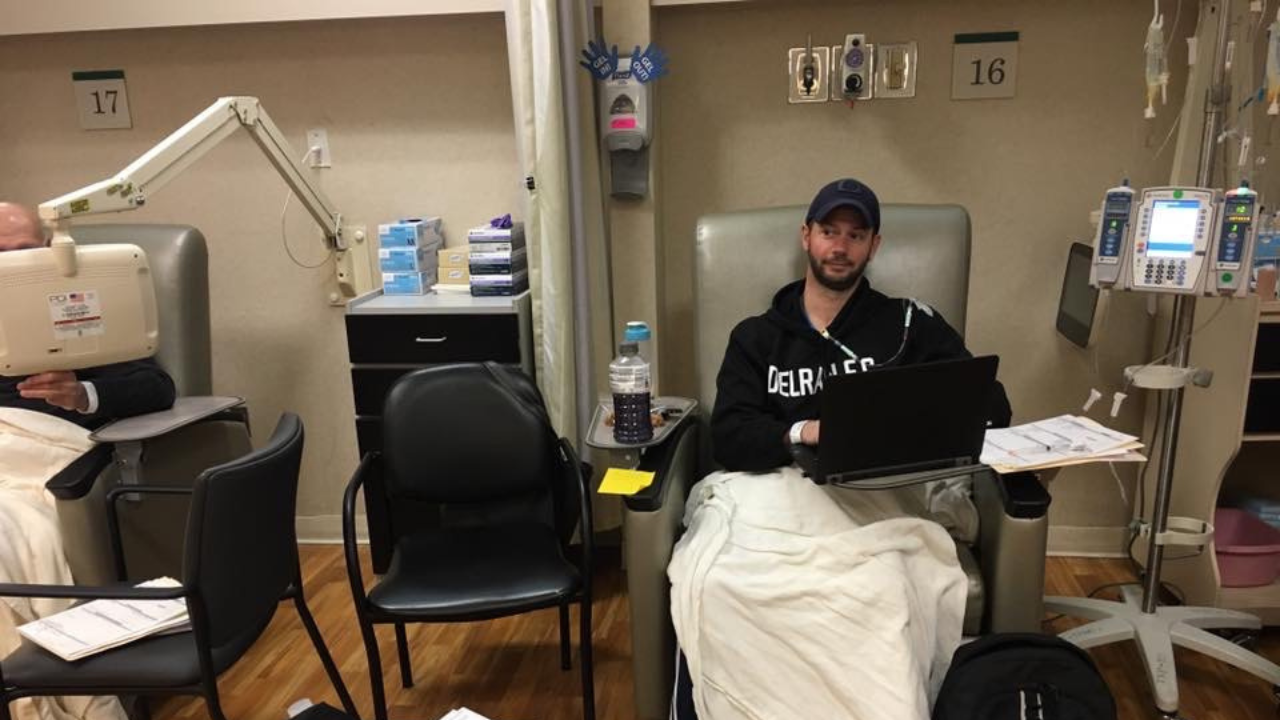
Nick Pifani during one of his chemo treatments for pancreatic cancer in 2017. (Photo courtesy of Nick Pifani)
“It’s not in my DNA … I don’t know how to give up,” says Pifani, who has spent the last 13 years of his career at Mastercard, where he works as a product manager.
That tenacity earned Pifani one of Mastercard’s 2018 CEO Force for Good Awards. For 10 years, the program has honored more than 2,000 employees for the volunteer work they do to lift up local communities. And with each recipient comes a story that starts with serving others and inevitably ends with personal growth.
The CEO Force for Good Awards are the brainchild of Susan Warner, who has fostered a robust international volunteer network since she joined Mastercard in 2011.
As a dedicated local volunteer, she understood firsthand the positive impact volunteering has and decided to establish a program to encourage more people to get involved and honor their efforts.
Winning the support of then-Mastercard CEO Ajay Banga a decade ago, Warner found the financing she needed to launch the awards, which have flourished, with nearly 200 volunteers now applying annually.
Along with recognition for their work, award winners are also given a grant for their grassroots projects. Over the past decade, Mastercard has provided almost $1 million in grants to its volunteers.
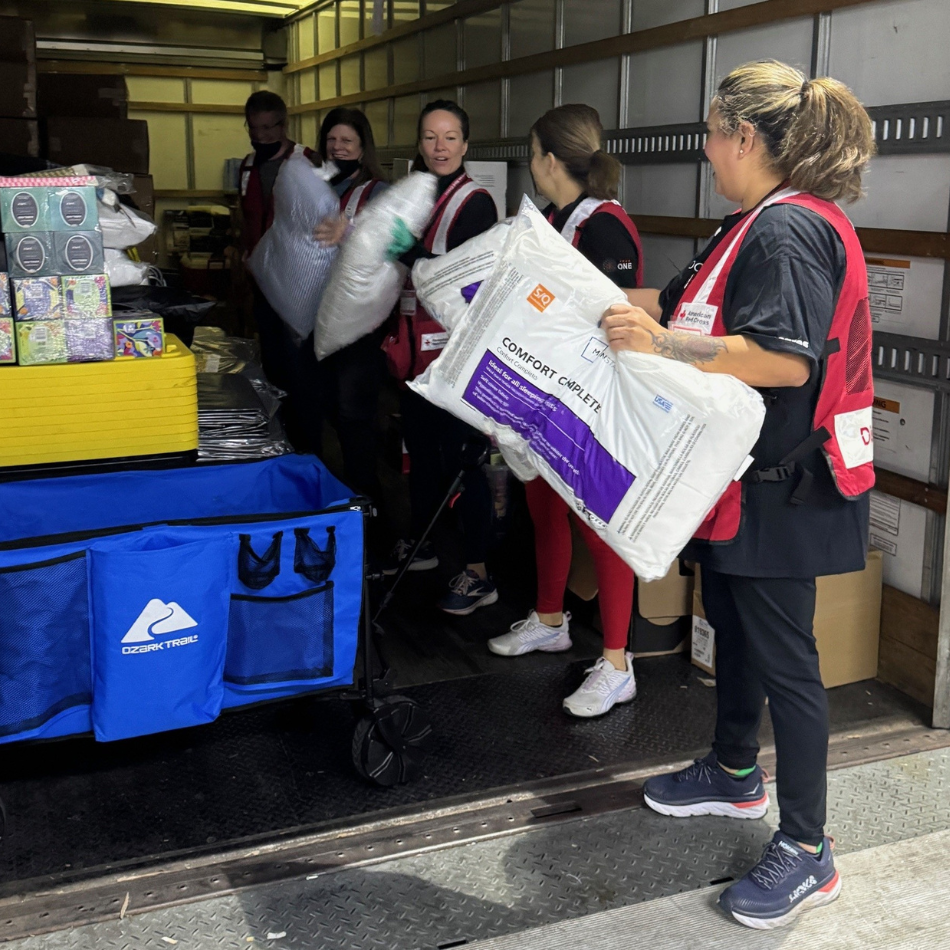
The American Red Cross has trained Mastercard employees in aid distribution, disaster assessment and shelter operations. The company's disaster relief corps has lent support in the wake of Hurricane Helene in 2024, the western Kentucky tornades in 2021 and the Los Angeles wildfires, above, last year, among other disasters. (Photo courtesy of Mastercard)
Over the years, employees have been honored for their work responding to natural disasters around the globe, most recently in Los Angeles, volunteering at animal shelters, helping seniors in Turkey learn about digital banking, supporting indigenous communities in Colombia, mentoring military veterans in the U.S., teaching English and science classes in rural Cambodia, and organizing a virtual 6K during the pandemic to raise funds for clean water projects, to name just a few.
“The bar just keeps getting raised every year,” says Warner, who oversees global community impact for the Mastercard Center for Inclusive Growth. “We didn’t do this for a legacy, but one has been created along the way.”
Like Pifani, many employee stories begin with a personal experience that blossomed into a call for serving others. For instance, Olivia Esnard began helping France’s nonprofit Petit Coeur de Beurre after her son was born with congenital heart disease. Today, she sits on the board of directors and advocates for disability rights. She was recognized as a Force for Good winner in both 2017 and 2021.
Similarly, when Mishwa Bhavsar’s grandmother died in long-term care, she set up the Cura Community nonprofit in Missouri to connect under-resourced nursing homes and clinics with medical students.
Others gravitate toward projects they can do with friends and family. For Dubai-based Kuntay Simbatova, who has won the award four times, the concept of giving back and doing good is closely woven into the nomadic heritage of her native Kazakhstan.
As she raised her three sons in the glitzy emirate, she wanted them to understand the challenges people face in other parts of the world and began to look for nonprofits and projects to support in Africa.
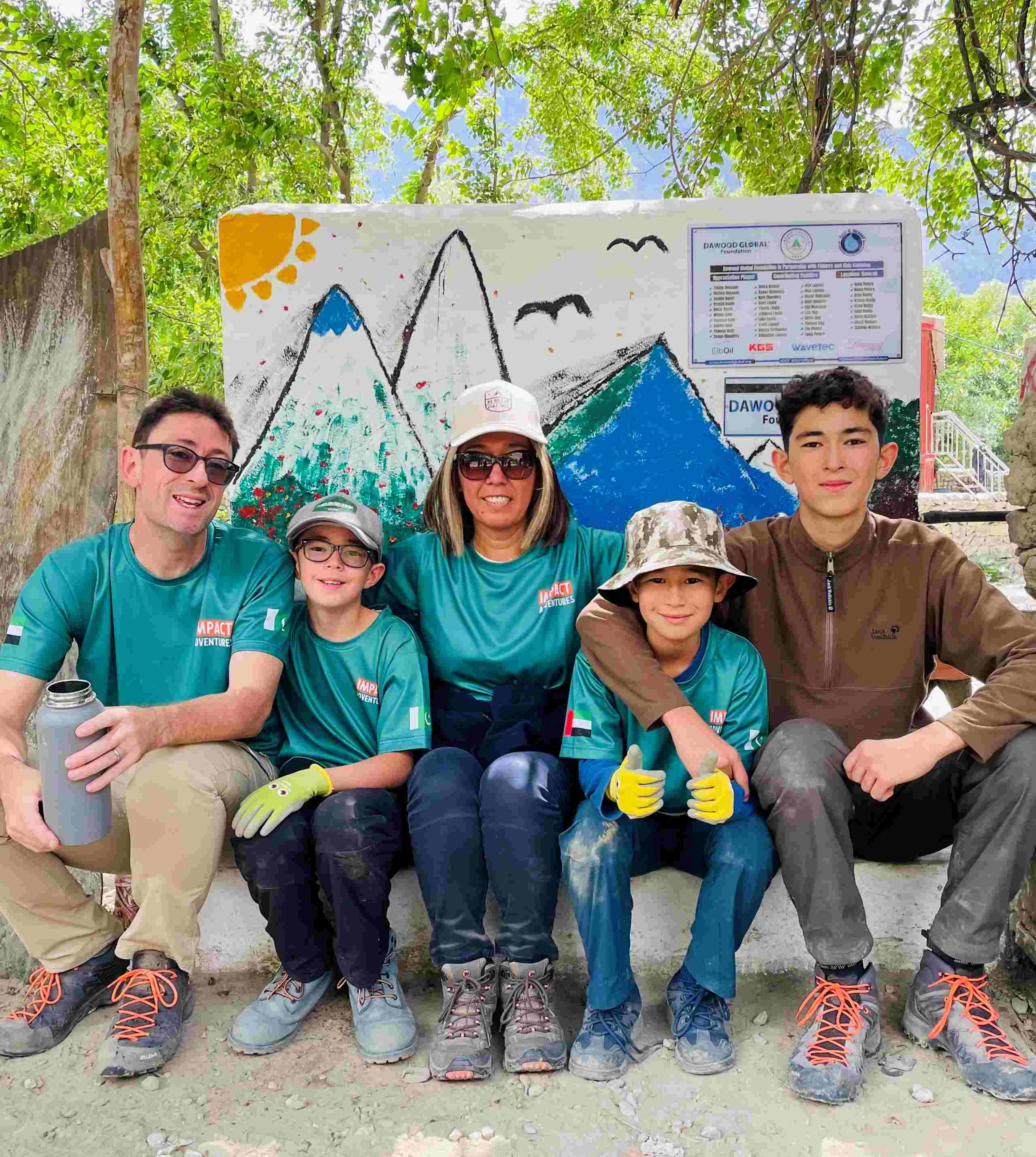
Along with a group of Dubai families, she and her family have now helped construct school buildings in Zambia, Tanzania and Morocco, and drill water wells in Rwanda, Uganda and Mozambique. More recently, the Dubai volunteers flew to Skardu in northern Pakistan to install six solar-powered borehole systems that provide water to over 2,800 people.
"If we don't do this, who will?," says Kuntay Simbatova, center, with her family in Pakistan, where they helped install solar-powered borehole systems to ensure clean water for local communities. (Photo courtesy of Kuntay Simbatova)
Like all the Force for Good projects, the impact on local communities is significant. Access to clean water for example means children are less likely to die from water-borne illnesses and are more likely to go to school, including girls.
“It’s enormously enriching to build these experiences and memories … for my children to build that view of the world, that if we don’t do this, who will?” says Simbatova, who works for Mastercard’s Security Solutions team in Europe, Middle East and Africa.
Almost 10 years after his diagnosis, Pifani is back running half marathons. He encourages everyone to find a cause that resonates and start volunteering.
“Even though I give a good portion of my time, I always feel like I get so much more back,” he says.