Economic Insights

June 30, 2026


Eventful Economy: How the Calgary Stampede spurs economic growth

From early retail spikes to packed restaurants, new data reveals how the Stampede reshapes spending across the city.

google logo

Troy David

Senior Analyst, Mastercard Economics Institute

When the Calgary Stampede begins, the energy is impossible to ignore. The rodeo, the midway, the famed pancake breakfasts, the concerts and the crowds transform the city for ten days each summer. But the economic impact starts even before the gates open to the Stampede grounds.

Long before the first pancake is flipped or concert kicks off, Calgarians and visitors are already getting ready by shopping for western wear, booking hotel rooms and making reservations to dine out.

New analysis from the Mastercard Economics Institute shows that Stampede is not only one of Canada’s most iconic cultural traditions, but also a meaningful driver of local economic activity. Using aggregated and anonymized spending insights, alongside travel trends through bookings made by the end of May 2026 with departure dates from June 29 through July 12 for Calgary International Airport, MEI examined how economic activity around the Calgary Stampede compared with expected baseline levels without the event. What emerges is a detailed picture of how demand builds, where it concentrates and which sectors benefit most.


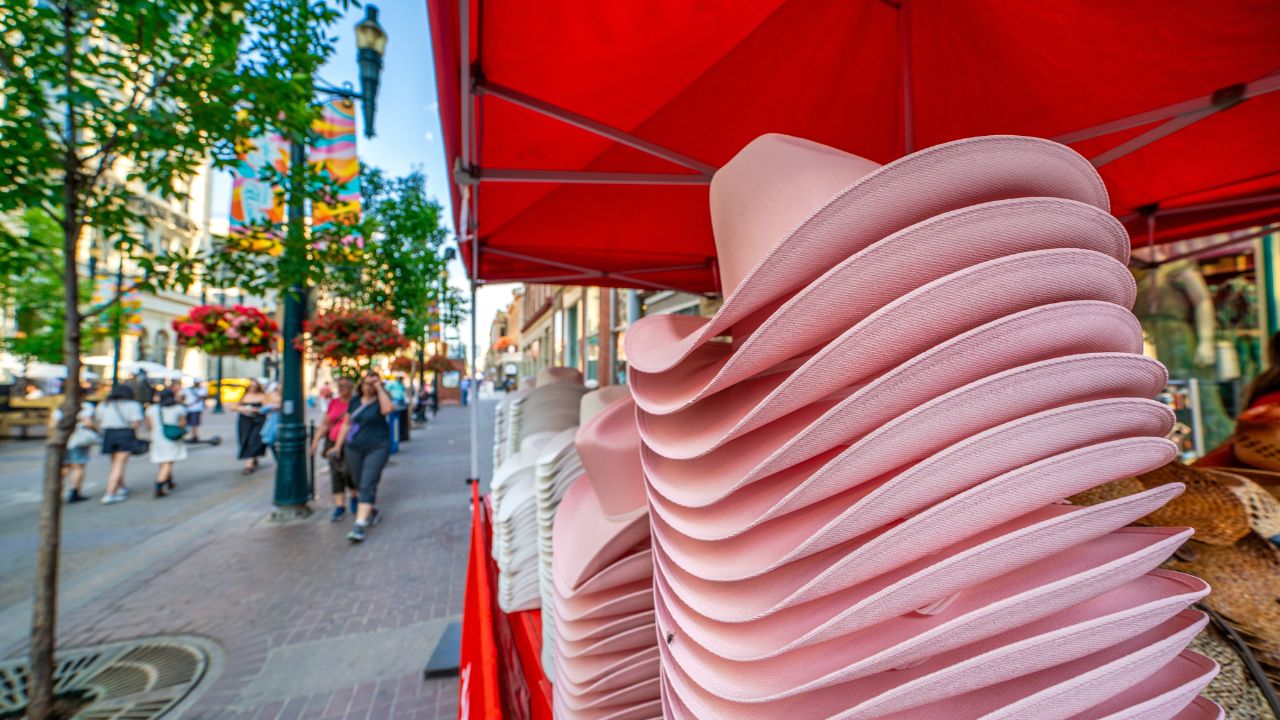
Cowboy hats on sale along Calgary's historic Stephen Avenue Walk, which becomes an epicenter of western celebrations, live entertainment, dining and dancing during the Stampede. 


The greatest outdoor show on earth

It’s impossible to ignore the incredible flow of people into the city of Calgary for 10 days every July, traditionally starting on the first Friday of the month.

That remains true for 2026. Preliminary travel booking data suggests international bookings for Stampede are estimated to be up in 2026 year over year, with some of the strongest international growth coming from Belgium, the Netherlands, United Kingdom and Australia. 


Spending lifts across the city, but not evenly

That international interest helps explain why accommodation, dining and retail demand build in distinct waves across the city. During the 2025 Calgary Stampede, spending at local merchants was roughly 18% above baseline.

That lift was not evenly spread across categories. Relative to baseline, restaurants saw the strongest lift of about 29%. Retail also increased meaningfully, while accommodations benefited from an early wave of visitor demand, especially downtown.

That uneven pattern matters. It shows that the economic effect of major events is not just about more people spending more money. It is also about when they spend, where they spend and what they spend on.


First comes the prep

One of the clearest signals in the data appears on the Thursday before opening weekend, when retail spending jumps.

The data does not reveal exactly what was in every shopping bag, but anyone familiar with Stampede can picture the scene: last-minute trips for a cowboy hat, a western shirt, boots or other essentials before the week begins.

That early retail spike suggests that part of Stampede’s economic impact happens before the main festivities are fully underway. Consumers are not just showing up to spend in the moment, they are preparing for the experience in advance.


Dining carries the strongest lift

If retail sets the stage, restaurants take the spotlight.

Among the categories MEI analyzed, restaurants recorded the strongest uplift during Stampede. Dining demand surged during the first weekend and remained elevated through much of the week, showing that food and drink (classics like mini doughnuts, corn dogs and fresh-squeezed lemonade) are central to how people experience the event.

The neighbourhood pattern is also revealing. Restaurant activity was strong in well-known dining corridors, not just right next to the grounds. That suggests visitors and residents are spreading their spending across the city as they move between Stampede activities, social events and business gatherings.

In other words, Stampede does not simply bring spending to one venue. It activates a wider urban footprint.


Downtown hotels benefit early

Accommodation spending tells a slightly different story.

Hotel demand builds early, especially in downtown Calgary. That likely reflects early arrivals ahead of the event, as visitors position themselves close to core activities, meetings and hospitality events before the busiest days unfold.

This front-loaded pattern is a useful reminder that event-driven demand does not always follow the most visible crowd moments. Some of the biggest economic gains happen in the lead-up, as travellers arrive, settle in and begin spending before the city reaches full volume.


The impact is strongest close to the action

MEI’s analysis also shows that Stampede’s spending impact is shaped by geography.

Retail and services spending saw some of the strongest event-driven lift in areas closest to the grounds. That concentration makes intuitive sense: Proximity matters on high-traffic event days, especially when visitors are making real-time purchases close to where they are gathering.

At the same time, the benefits are not confined to one neighbourhood. Downtown accommodations, restaurant districts and nearby business areas all see parts of the lift, showing how a major cultural event can create ripple effects across multiple parts of the city.


More than a festival

Big cultural events do more than entertain. They reorganize spending across time, place and category.

For businesses, that kind of visibility matters. Knowing that retail may surge before opening weekend, dining demand could remain elevated through the week, or that hotel demand may build early and international interest may continue to grow can support better decisions around staffing, inventory, promotions and planning.

The Calgary Stampede may be rooted in tradition. But as the spending data shows, it is also a live example of the economy in motion.

Where demand meets opportunity

The Mastercard Economics Institute shows how demand shifts across time, place and customer segments, helping businesses and governments anticipate change, enabling growth and helping build what's next.

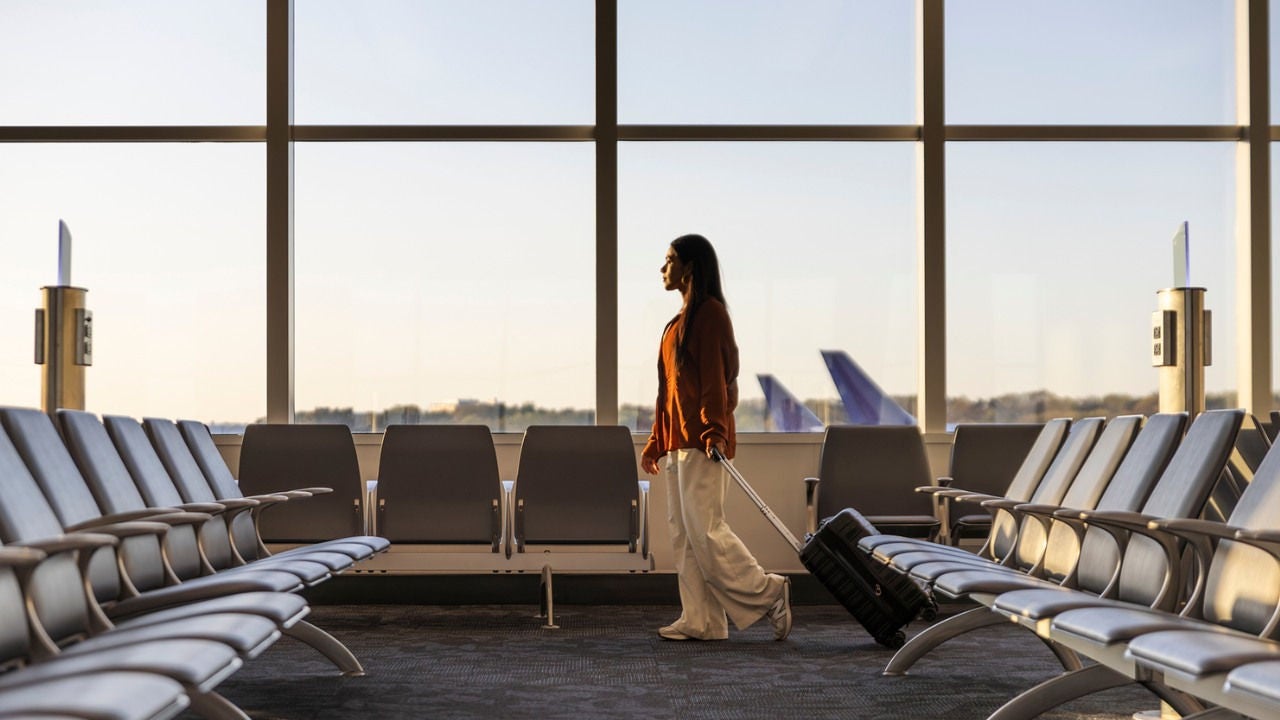
A woman walks through an airport with parked planes in the background.