January 22, 2026
Remember 2016? It was the year everyone couldn’t stop talking about digital gameplay in the real world, voice assistants in our living rooms and paying with a tap, not a swipe or a dip. With the “2026 is the new 2016” trend taking over social media, we’re taking a look back at three consumer tech moments from a decade ago that helped shape the world we live in today.
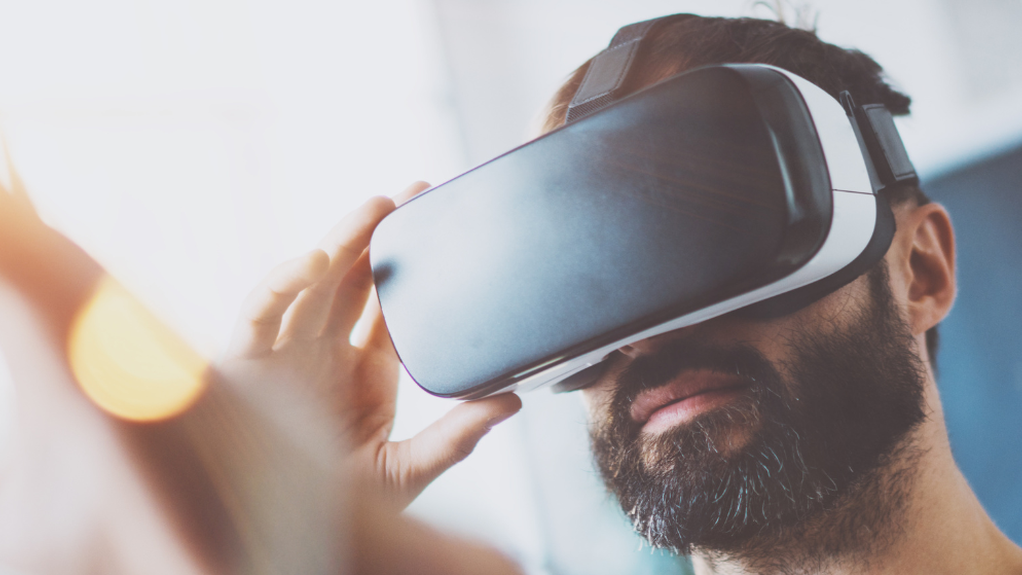
In the summer of 2016, Pokémon Go became more than just a game — it became a cultural moment. Released by Niantic in July 2026, it used location-based augmented reality to blend virtual creatures with real-world exploration, causing thousands of people to get outside and explore. Shortly after its release, it topped download charts worldwide and became the most downloaded game. By the end of the summer, the app had over 100 million active users, with some reports citing over 300 million users.
What made Pokémon Go remarkable and memorable was not just that people tracked imaginary creatures around parks and fields — it was that AR became social and physical. Notably, the technology pushed millions of everyday users outside with their phones in hand, hinting at a future where digital layers enhance real‑world experiences. That mainstream moment helped pave the way for the AR experiences we see today in retail, travel and entertainment and beyond.
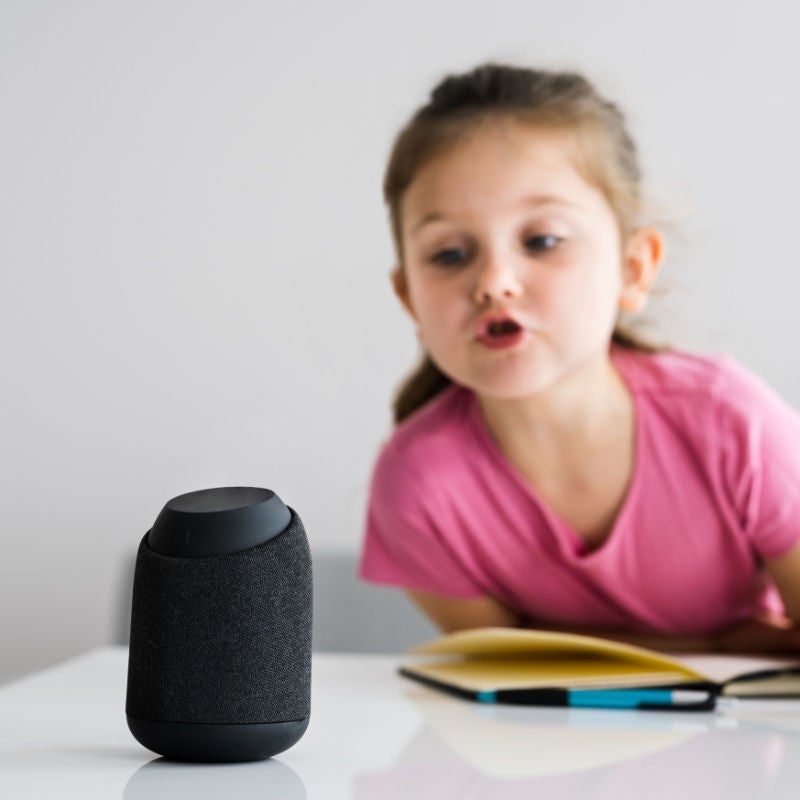
Voice-activated assistants, once confined to labs or sci-fi shows, started showing up in homes around 2016. Amazon’ s Alexa-powered Echo had already debuted in 2014, but by 2016, these assistants were becoming a household norm. In March of that year, Amazon unveiled two new additions to its lineup: the Echo Dot (a compact, hockey‑puck sized smart speaker) and the Amazon Tap (a portable Bluetooth version of Echo). These devices brought Alexa’s voice‑first experience into more rooms and lifestyles, signaling that voice interaction, once restricted to phones, was ready for the whole home. That same year, Google unveiled its smart speaker competitor, Google Home, putting voice control and virtual assistance into even more living rooms.
What was once a quirky gadget became a mainstream way to check the weather, play a podcast, control lights, order groceries and manage tasks — making tech a natural part of daily routines.
Fast forward to 2026, and voice assistants are deeply embedded in homes, cars and everyday devices, helping us navigate our daily lives without even touching a screen.
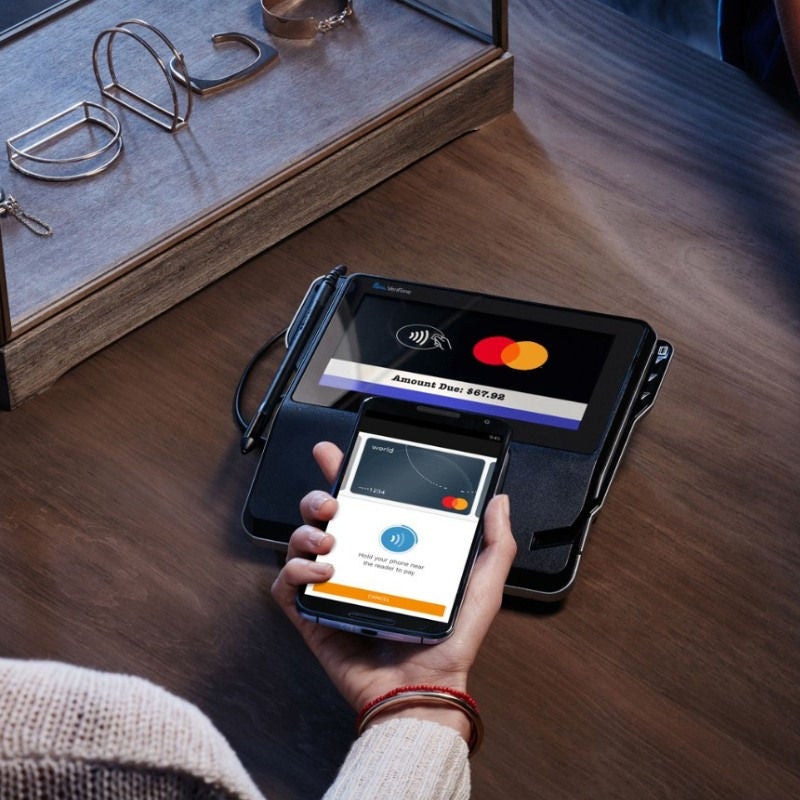
The idea of leaving your physical wallet at home didn’t start in 2016, but that year represented a meaningful shift in consumer awareness and adoption. Mobile wallets were expanding globally, touching down in more countries and showing strong early consumer interest by processing hundreds of millions of dollars in transactions a year.
At the same time, surveys from late 2016 showed growing consumer awareness of mobile payments platforms, alongside a steady decline in cash use for everyday purchases, suggesting that digital wallets were becoming a more familiar option for shoppers.
While mobile payments didn’t yet dominate checkout lines everywhere, it was clear that the tap-and-go experience was heading toward broad adoption, an evolution we now take for granted in 2026, where digital wallets are a normal part of travel, restaurants and public transit.
Looking back at these moments, it’s clear that 2016 wasn’t just a year of viral trends, it was a glimpse into the tech‑enabled life we live today. From AR adventures to voice-activated homes and seamless payments, these innovations show how quickly new ideas can move from novelty to everyday reality.