Commerce

June 11, 2026


How AI, cyber and spending habits are changing everything about consumers today

Here are the biggest takeaways from Mastercard Connections 2026, the company’s marquee North America customer event.

google logo

"Without trust, you have nothing," Mastercard's Chiro Aikat told a packed house at Mastercard Connections 2026.

Ben Fox Rubin

Vice President,

Global Communications,

Mastercard

One day soon, AI agents will complete payments with other agents on behalf of their humans. This new layer of commerce will operate almost continuously and at machine speed, completely changing the tenor of payments today.

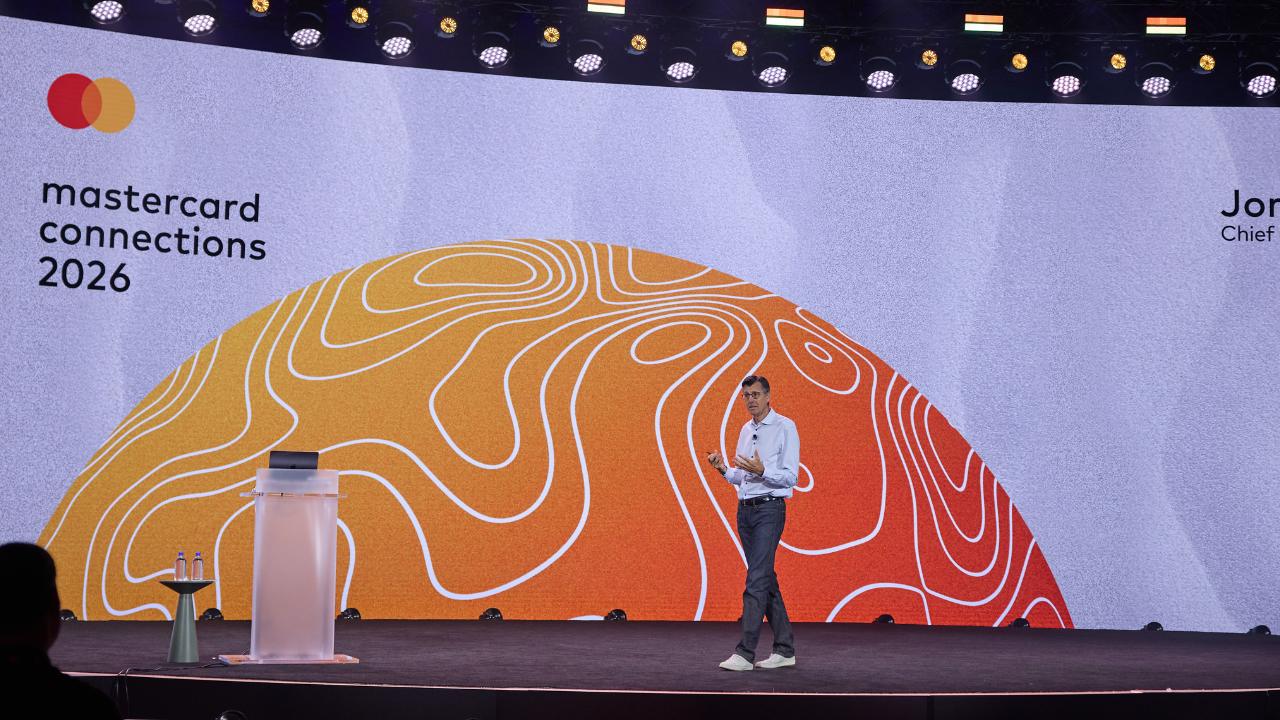
That’s the scenario Jorn Lambert, Mastercard’s chief product officer, laid out while walking across the stage to a packed house this week at Mastercard Connections, the payment company’s flagship North America customer conference.

But here’s the catch: Payments networks were built for a lot of things — but not for shopping robots.

And so, Lambert announced at the event Agent Pay for Machines, which is designed to help Mastercard’s network manage these types of machine-driven payments across cards, bank accounts and stablecoins, while ensuring they are trusted, secure and reliable. For example, someone opening a flower shop could direct their AI agent to create the store’s website, which would trigger the agent to jump into action, buying a domain name, hosting service, images and checkout tools, all with a set budget.

Mastercard's Jorn Lambert takes the stage at Mastercard Connections to outline a future of always‑on, machine‑speed commerce.

This new capability points to a future in which agentic commerce goes far beyond AI-assisted checkout and enables super-fast chains of microtransactions.

"Twenty-twenty-six, within payments, is kind of a year of punctuation. Things are really shifting, new paradigms are being created,” Lambert said. “There’s no question AI is going to change just about everything that we do — it’s certainly going to change commerce."

This announcement about the future of agent-driven commerce was just one of the big topics discussed during the two-day event in Marco Island, Florida, which brought together many of the largest banks, retailers, processors and digital partners that make up Mastercard’s payments ecosystem. Panels and presentations about cybersecurity, small business and consumer behaviors all pointed to the same trend: The world economy today is more complicated, more volatile and more tech-infused than it has been in recent memory, and business leaders need to adapt — and fast — to stay ahead.

“We are living at a time of incredible change,” Ronnie Chatterji, chief economist for OpenAI, said at the event, hinting at the potential of even more change going forward. “I think the thing that we’re missing is how quickly the capabilities of the [AI] models are improving ... I think the thing that we’re getting wrong is we’re underestimating the progress of the capabilities.”


Cybersecurity is about all of us

During a panel on cyber threats, Ranjita Iyer, who leads Mastercard’s Services business in North America, described a digital landscape that’s become far more dangerous. 

Breaches were previously more isolated and therefore easier to contain. That dynamic has given way to more professionalized, sophisticated and coordinated campaigns that can spread far more broadly and disrupt economies. Iyer mentioned how recent research from the Mastercard Economics Institute shows that cyberattacks today can ripple across industries and supply chains, ultimately causing panic buying and other disruptions.

Rob Joyce, who retired from the U.S. National Security Agency after more than three decades there, said these new, more potent attacks tend to blur the line between cybercrime, espionage and economic warfare.

Ultimately, these changes mean that we’re all in it together, so it’s up to every business to protect one another. Doing so will ensure people can continue to trust the digital and financial services they use.

“Trust is the foundation for our entire business, for our entire financial ecosystem,” Chiro Aikat, co-president of Mastercard’s North America business, said at the start of the conference. “Consumers want trust, they need trust. No matter how innovative we can become ... you have to have trust in the payments ecosystem. Without trust you have nothing.”


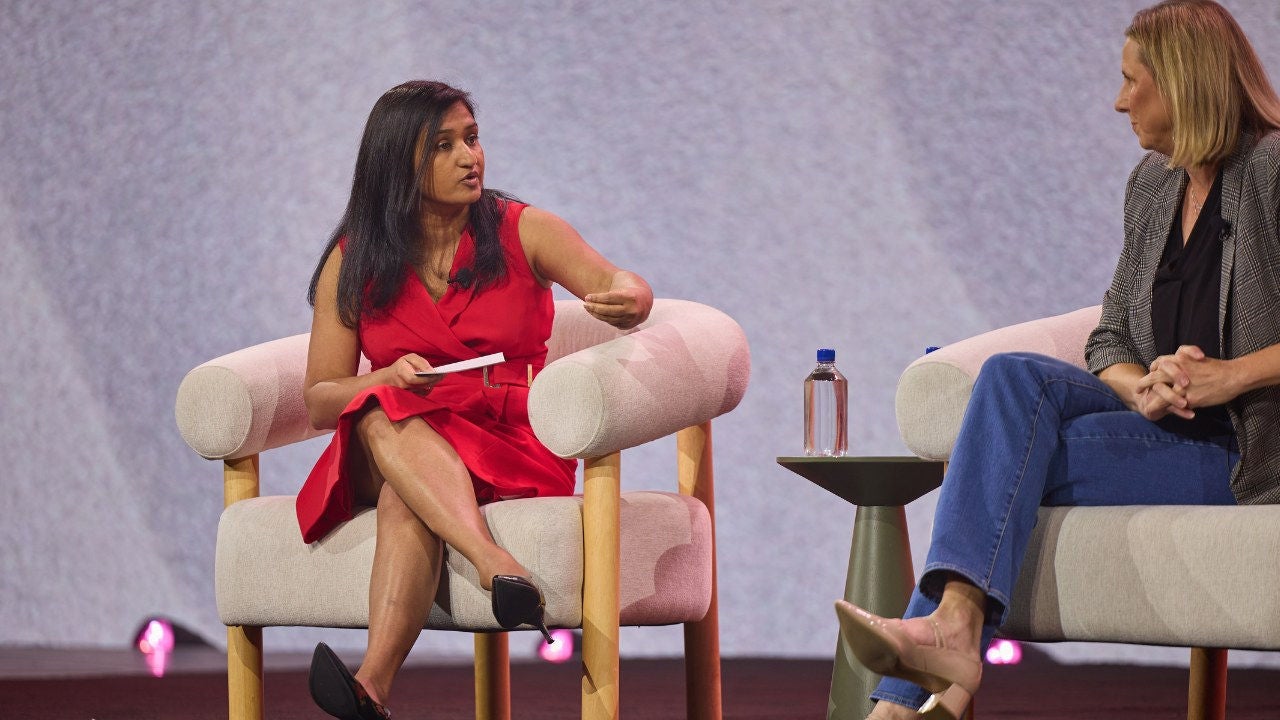
Today’s cyberattacks don’t just infiltrate systems — they cascade across industries, turning digital threats into real‑world disruption, said Ranjita Iyer of Mastercard on stage at Connections. 


What wealthy means to me

Pop quiz: How do affluent consumers define wealth today – by net worth, income or more free time? It ends up that half of these consumers define wealth as having more free time, not necessarily more money, according to Mastercard research.

Bunita Sawhney, Mastercard’s chief consumer product officer, opened her discussion with this stat to highlight how perceptions of affluence have changed and, therefore, how banks, retailers and fintechs need to shift their thinking to stay relevant with this highly sought-after demographic.

She noted that today’s affluent set isn’t as interested in getting credit-card points. Instead they’re looking for more curated, personalized experiences – you know, something (drumroll please) Priceless.


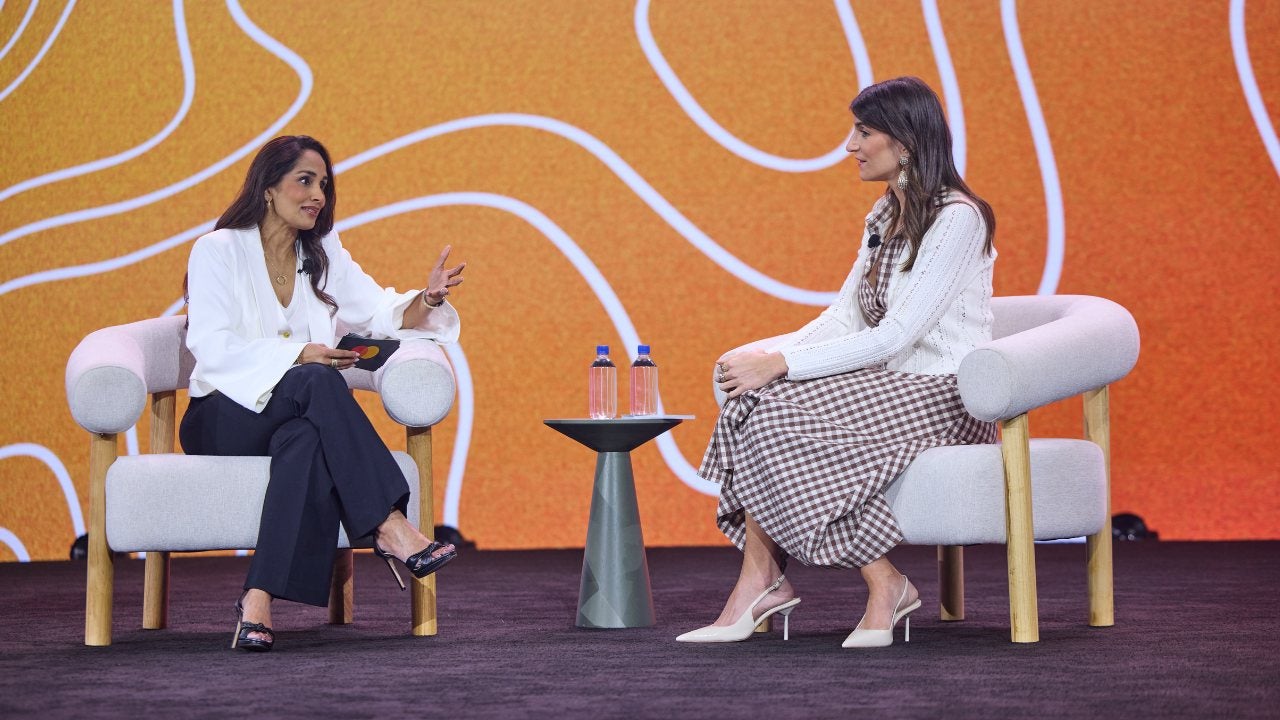
Mastercard's Bunita Sawhney and financial content creator Haley Sacks (aka Mrs. Dow Jones) discuss the changing meaning of wealth.


She then invited onstage Haley Sacks, aka Mrs. Dow Jones, a personal finance influencer, who noted that younger generations will soon inherit a lot more wealth from their parents and grandparents as part of what’s being dubbed the “great wealth transfer.” 

She said this major shift is another opportunity for financial services companies and banks to prove their value by supporting these younger generations with financial education, so they can maintain and grow their wealth and get the opportunity to manage their time however they see fit.


The biz of small biz

Leading a panel about small businesses, Mike Kresse, who leads Commercial and New Payment Flows in North America, reinforced his points by sharing short videos from small business operators so the audience could hear directly from them.

The main takeaway: Small businesses today are pulled in all kinds of directions and need a lot of things — from access to capital to cyber tools to growth opportunities. The businesses that can make things simpler and easier for these small businesses will win.

“Things have to work seamlessly, and if they don’t, we’re going to look for other outlets that are quicker for us,” Charles Ferri, founder of The Hudson House & Distillery in New York state, said in one of the videos.


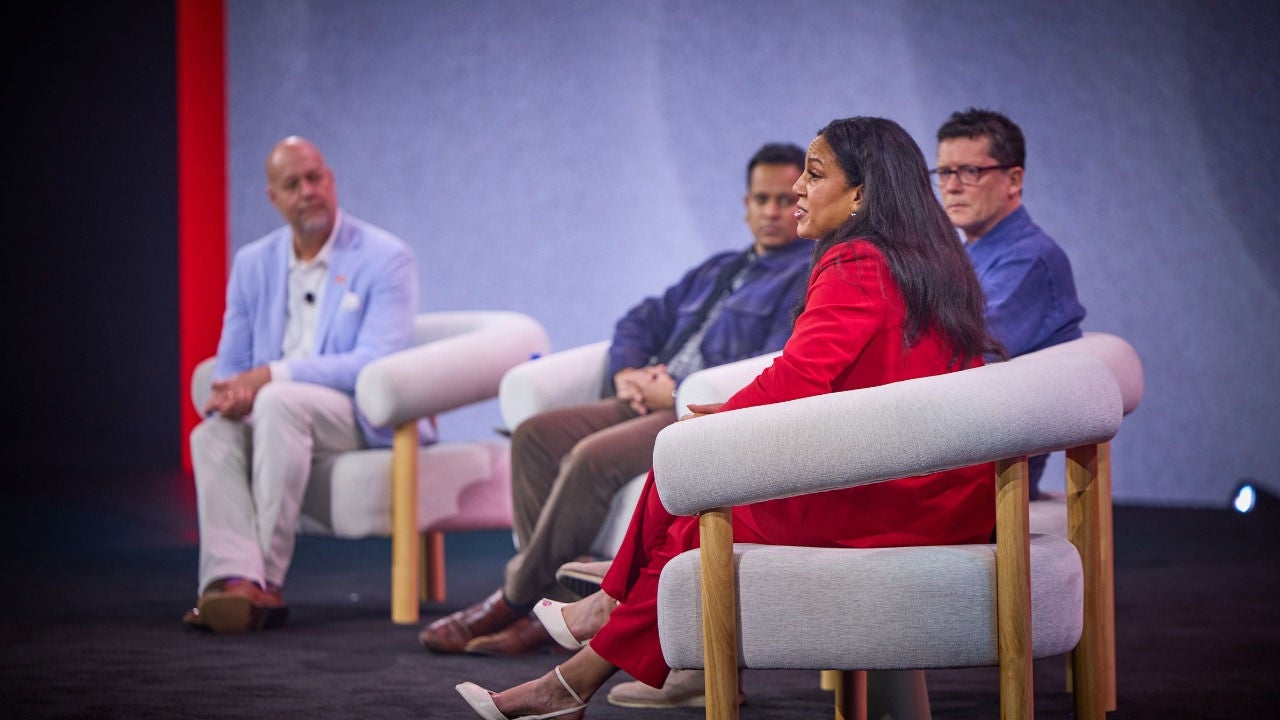
Panelists at Connections talk on stage.

From left, Mastercard's Mike Kresse led a panel on the tools small businesses need to thrive with Amazon's Sekhar Suryanarayanan, Intuit's Niall Wall, and Natalie Madeira Cofield of the Association of Enterprise Opportunity. 


Kresse highlighted how vital it was to get this right, since there are over 35 million small businesses in the U.S.  

“All of us work for large companies,” Kresse told the crowd. “Most of those small businesses are doing it without any of the infrastructure we enjoy every day. We have sales teams, we have finance teams, we have operations teams — they have none of that. It’s one person doing all of it and the pressure on those individuals is enormous.”

He said Mastercard and its many partners are developing more ways to bring the capabilities of larger enterprises to small businesses, using AI tools and data analytics to help small businesses streamline and automate their work.

For example, Mastercard earlier this year unveiled its Virtual C-Suite platform, which will provide businesses with agents trained on their data that can help manage different parts of the organization, such as a virtual CFO coordinating budgets, inventories and bills.

“In order to do business with this community, it’s important that all of us listen,” Kresse added. “We need to lean in and we really need to hear.”


Launching Agent Pay for Machines

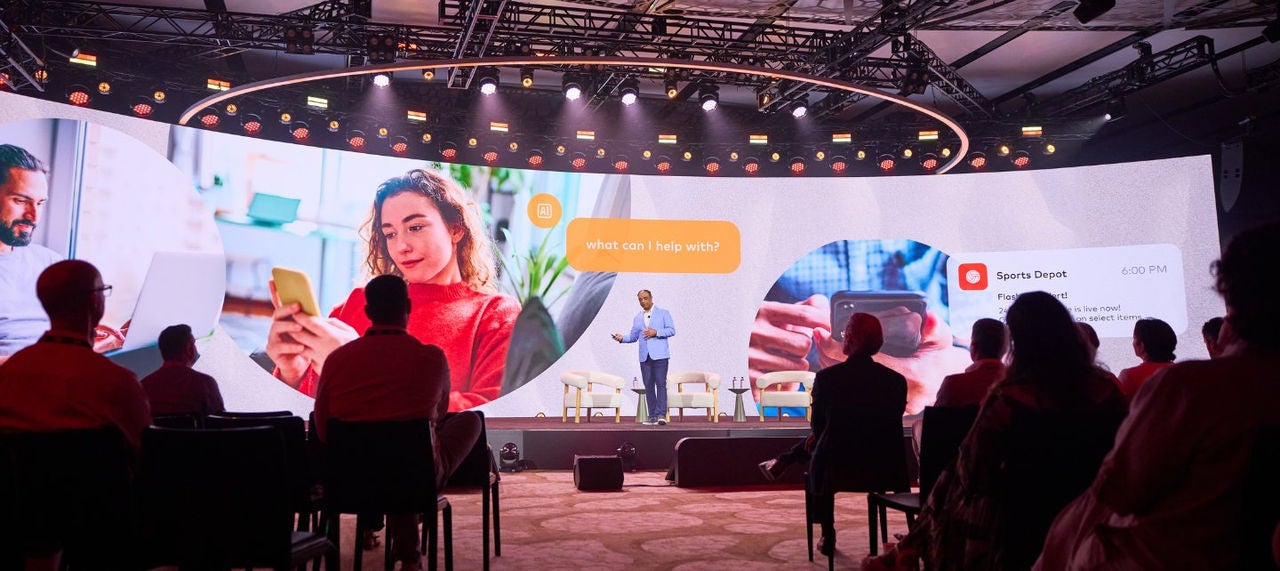
At Mastercard Connections, leaders outlined a future where machine payments can make it possible for services to be bought and sold among agents faster, continuously — and with trust.