Our people

December 11, 2025


Goodwill and firewalls: Meet the volunteer helping NGOs strengthen their cyber defenses

Barış Ercan trains nonprofits to combat cyber threats, keeping vital missions running.

google logo

Caroline Morris

Contributor

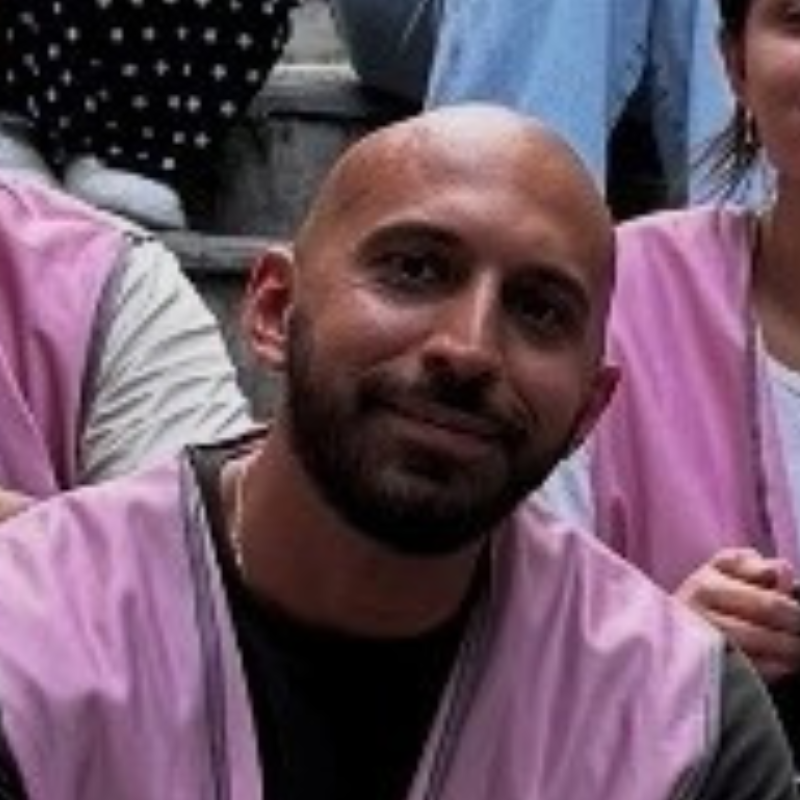
Barış Ercan is a serial volunteer. For years he has helped out at the Down Cafe, a spot run and supported by young people with Down syndrome and their families in his hometown of Istanbul, Türkiye. And every two months, he books an office-wide luncheon to support the establishment. He also regularly pitches in on several other Mastercard-led projects, ranging from beach cleanups to distributing food to unhoused people.

“I feel happy when I help people and see the smile on their face,” Ercan says. “I’m always receiving thank-you messages. That’s what gives me the energy to keep this going.”

This year, in addition to throwing that energy into washing dishes and packing boxes, he drew upon his professional expertise to help others. As an associate managing cybersecurity consultant at Mastercard, Ercan has witnessed firsthand the wreckage caused by the rising tide of cybercrime. Losses and damages from cyberattacks in 2024 came to $9.5 trillion, a number that is expected to climb as AI democratizes cybercrime and makes it easier to launch convincing scams at scale.

These bad actors have been able to lift large sums of money and valuable data by employing methods such as malware and phishing emails, tactics that have fooled some of most sophisticated and well-heeled companies in the world.

NGOs are even more vulnerable than private organizations and governments because they typically don’t possess the budget or dedicated IT personnel to prevent attacks, and resource-strapped NGOs may not be able to educate their employees on basic cybersecurity strategies.

This gap in security is what prompted Ercan to become one of the original members of CyberPeace Builders, a program that helps NGOs bolster their cybersecurity. CyberPeace Institute, which Mastercard co-founded and continues to partner with, launched the program in 2022 as part of its efforts to protect vulnerable communities from digital attacks. “Threats are evolving day by day,” Ercan says. “They need help and understanding more than ever.”

Ercan works with NGOs seeking English-language assistance in his areas of expertise: cybersecurity awareness training, dark web monitoring and cyber advisories.


"I give them information on attacks that have been happening in the world, then in their geography, and then in their industry, so they get a broader understanding and awareness of cybersecurity."

Barış Ercan

Baris Ercan


No matter which service he’s providing, Ercan believes the crux of the issue is awareness. “Most of the time I see that the NGOs are vulnerable because their employees don’t understand what cyberspace is,” he says. “They need to be aware of how to protect themselves, either by using two-factor authentication or a VPN or encrypted communication channels.” Many of these companies, operating on small budgets, are unaware of easily secured, commonly available tools, instead using freeware that can come with unknown security vulnerabilities.

Ercan always starts his mission by meeting with leaders at the NGO to gauge their knowledge base and needs. He then designs a personalized virtual training session for each organization, always making sure to put cybercrime in a larger context. “I give them information on attacks that have been happening in the world, then in their geography, and then in their industry, so they get a broader understanding and awareness of cybersecurity,” Ercan says.

From there he drills down on educating participants about their specific NGO’s vulnerabilities and best practices for cybersecurity, sometimes even running phishing simulations so they know what to look for.

After the training sessions, Ercan dedicates his evenings to combing through the dark web with a tool from the institute to see if any of the nonprofits’ websites, email accounts or data have been compromised. Then he reports back to the NGOs with what he’s found and explains how to mitigate these vulnerabilities.

Since joining CyberPeace Builders, Ercan has helped NGOs who work in areas as varied as wildlife justice, global youth mobilization and advocating for regulations in health-related AI usage.

In recognition of his commitment, Ercan was recently recognized with one of Mastercard’s highest volunteer honors, the 2025 CEO Force for Good award for Best of the Best volunteers. “Ercan goes beyond technical contributions,” says Lara Dinç, one the colleagues who nominated him, “with professionalism and compassion, receiving outstanding feedback for his proactive engagement, cross-cultural communication and strategic guidance.”

For Ercan, this award means more than the glowing accolades. It’s a chance to raise awareness of  CyberPeace Builders’ mission and inspire others to join him.

“People are congratulating me and asking me about CyberPeace Builders and I get to explain what I’m doing,” he says. “And it seems like I’m getting more people into volunteering, either in the beach cleanups, the Down Café visitations or helping out with the CyberPeace Builders. It’s a chain reaction.”



Meet Mastercard's top volunteers

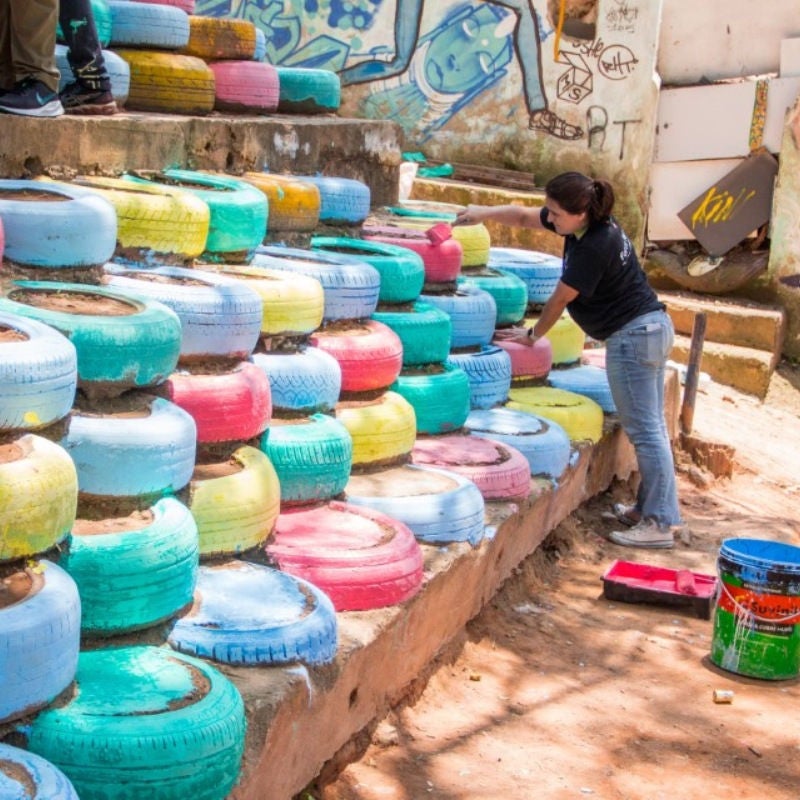
This São Paulo team was recently recognized, along with other Mastercard employees around the globe, with the 2025 CEO Force for Good Best of the Best honors for outstanding volunteerism. 

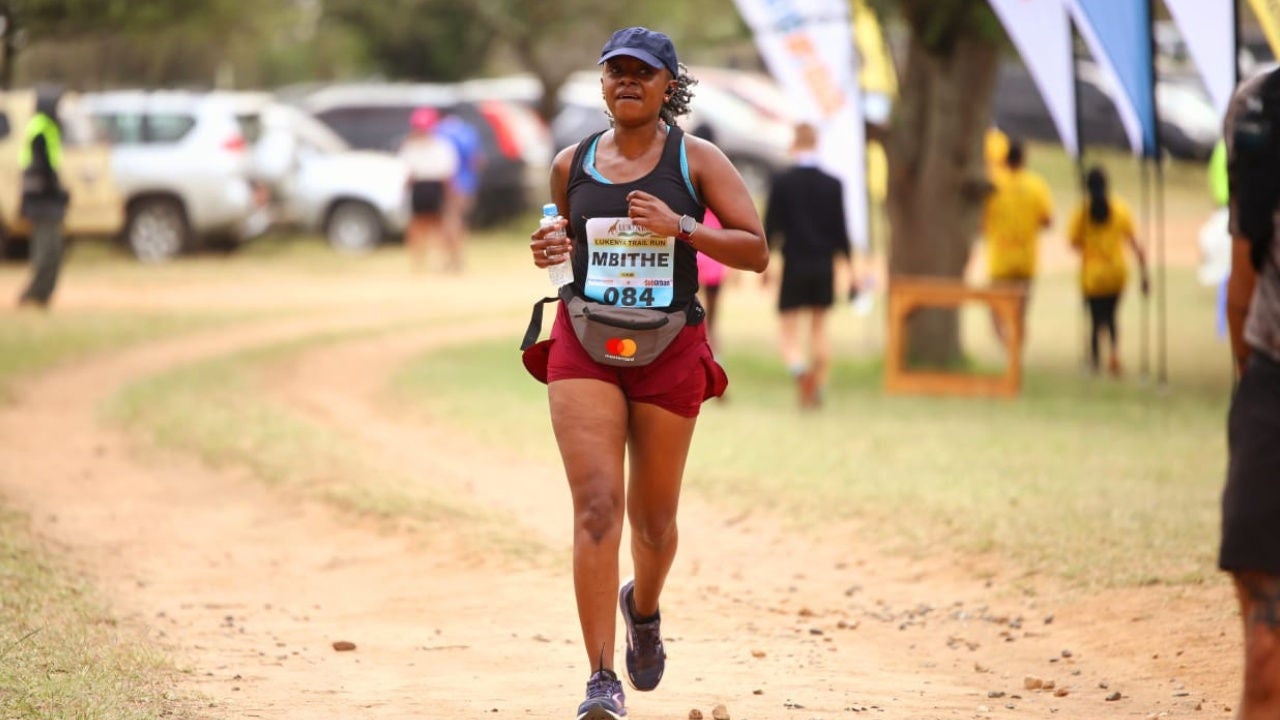
June Muli runs a marathon.