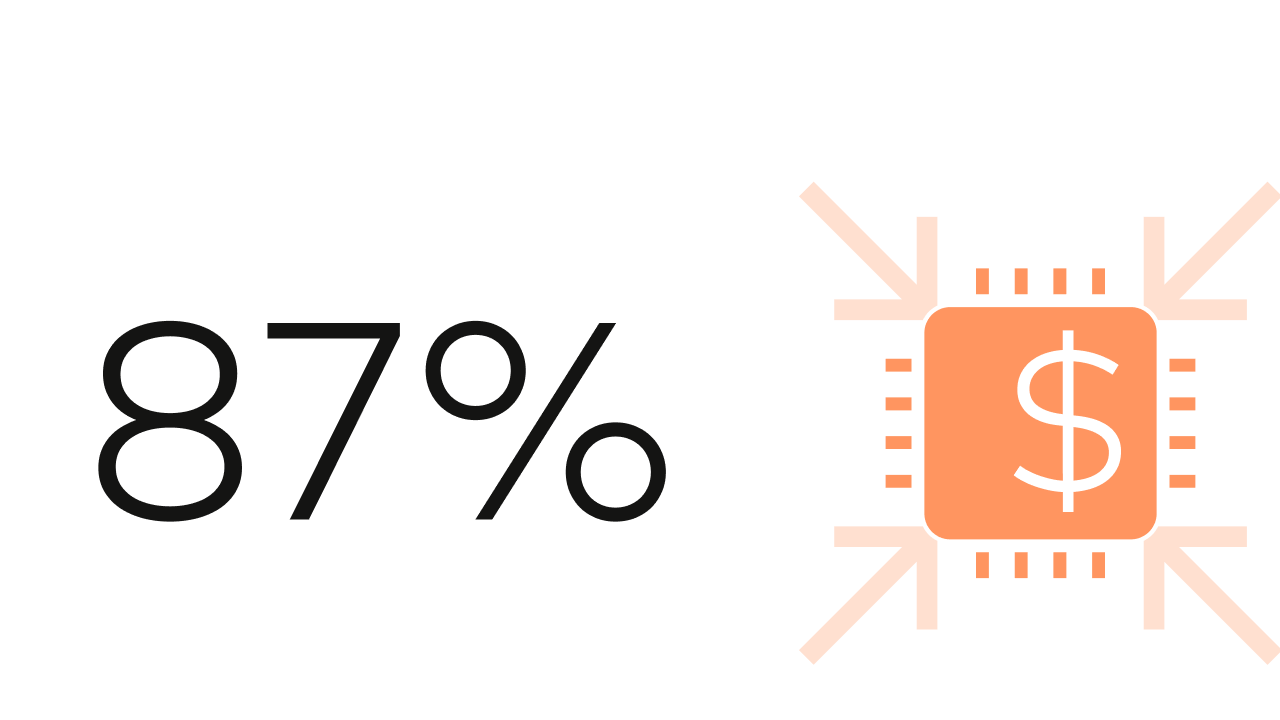
European organisations face rising complexity as global scale, regulation and working-capital pressure reshape B2B payment priorities. What was historically an operational process (accounts payable and receivable) is becoming a strategic capability impacting liquidity, supply chain resilience, working capital, and customer experience.
As payment flows become more deeply embedded across enterprise operations, finance leaders are re-evaluating how technology and data support visibility, control and decisionmaking at scale.
Capabilities such as virtual cards, payables and receivables automation simplify reconciliation, strengthen governance, and help improve working capital while reducing friction across European business ecosystems. The result is not simply more efficient B2B payments, but a finance function equipped with greater control, faster insight, and a clearer connection between how money moves and how the enterprise performs.
This page brings together perspectives, research and examples that explore how commercial payments are evolving from an operational necessity into a strategic enabler for modern enterprise organisations.
Sources:
[1] Juniper Research, Global Virtual Card Market 2025-2029 - Competitor Leaderboard, March 2025
[2] PYMNTS, Mastercard Commissioned Study, October 2021
[3] PYMNTS Intelligence: Fixing the Tech Industry’s B2B Payments Experience, August 2023