Mastercard at 60

August 27, 2026


Swiping left on magnetic stripes

With the rise of the chip card, this once-pioneering payment technology is being retired.

Vicki Hyman

Director,

Global Communications,

Mastercard

It was hard out there for checkout clerks.

In the early age of modern credit cards, they had to write down account information for each card-carrying customer by hand. Later, they used flatbed imprinting machines to record the card information on carbon paper packets, the sound of the swiping of the handle earning them the name, zip-zap machines. (They were also dubbed “knuckle-busters” by the unfortunate clerks who skinned their fingers on the embossing plate.)

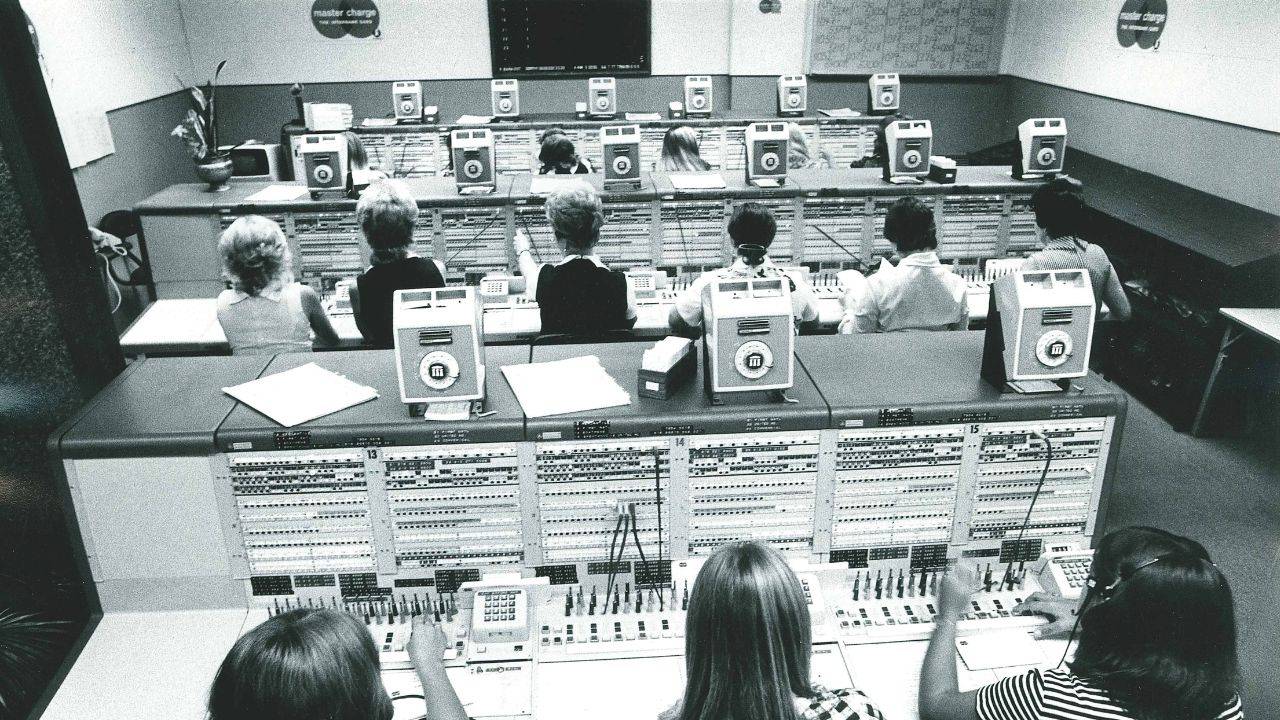
And how could clerks tell whether the customer was good for the purchase? They couldn’t. Credit card companies would circulate a list of bad account numbers each month, and the merchant would have to compare the customers’ cards against the list.

The arrival of the magnetic stripe changed all that. An early 1960s innovation largely credited to IBM, the magnetic stripe allowed banks to encode card information onto magnetic tape laminated to the back. It paved the way for electronic payment terminals and chip cards, offering more security and real-time authorization while making it easier for businesses of all sizes to accept cards. That thin stripe has remained a fixture on billions of payment cards for decades, even as technology has evolved.

But now the magnetic stripe is reaching its expiration date with Mastercard becoming the first payments network to phase it out.

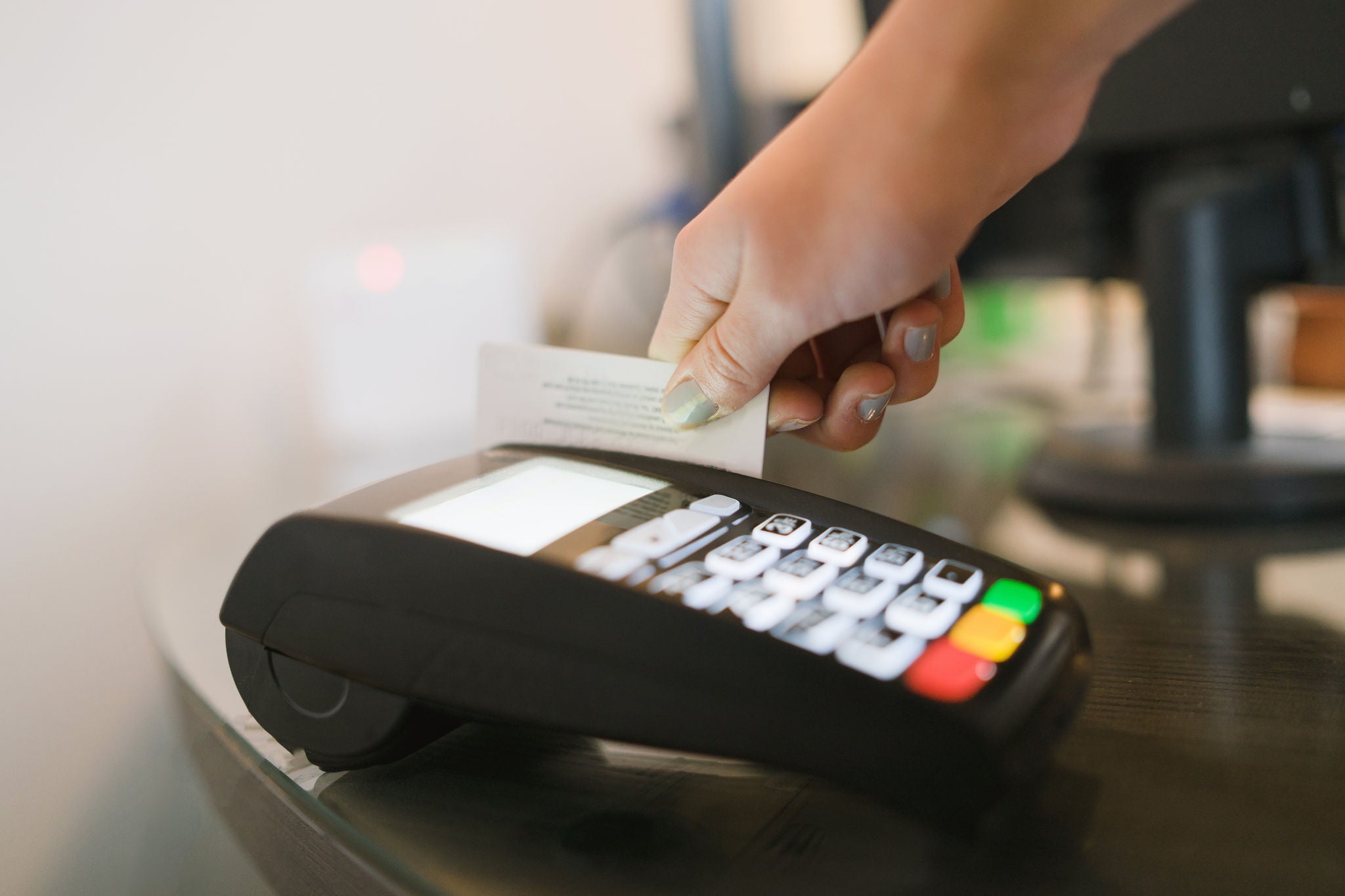
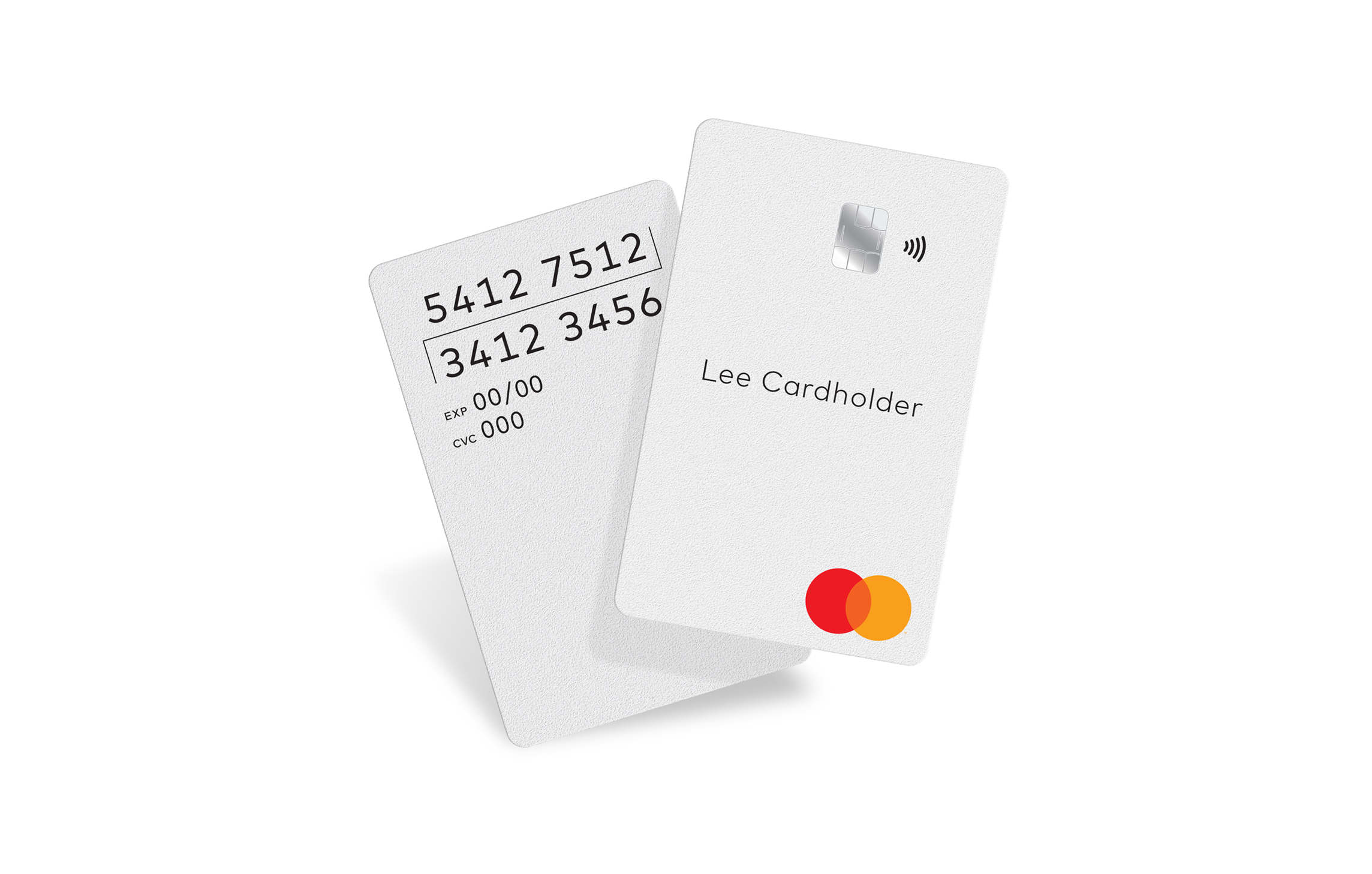
The shift away from the magnetic stripe points to both consumers changing habits for payments and the development of newer technologies. Today’s chip cards are powered by microprocessors that are much more capable and secure, and most are also embedded with tiny antennae that enable contactless transactions. 

Based on the decline in payments powered by magnetic stripes after chip-based payments took hold, newly-issued Mastercard credit and debit cards were not required to have a stripe in most markets starting in 2024. By 2033, no Mastercard credit and debit cards will have magnetic stripes, which leaves a long runway for the remaining partners who still rely on the technology to phase in chip card processing.


Crediting history

Paying on credit is a concept that dates back thousands of years to agrarian cultures, predating even paper money. In the early 20th century, department stores, gas stations and even airlines offered metal “shopper’s plates” or cards to its customers, but the first modern universal payment card debuted in 1950. The cardboard “charge” card could be used at any participating merchant and featured the cardholder’s name, address and account number.

By the end of the decade, other merchants and banks started issuing their own cards, including the first plastic credit card in 1959. The cashier would take an imprint of the card and send the paper copy for reconciling and billing, a process that was slow and open to human error.

In the 1960s, IBM saw the potential of coding information onto cards via magnetic tape. That technique was already being used for audio recordings and computer disk storage before it was brought to cards.

According to IBM lore, engineer Forrest Parry couldn’t figure out how to combine a strip of the tape to a plastic identity card for the CIA and mentioned it to his wife, who suggested using her flat iron to melt the strip to the badge. It wasn’t exactly the kind of hardware IBM would be celebrated for, but it worked.


Chipping away at better security

Even before the ascendency of the magnetic stripe, engineers had been pursuing the idea of a card powered by a computer chip that could perform the complex calculations that would enable even stronger security measures.

The first chip card made its debut in France in the 1960s, but it took years to catch on. One major problem — different chip cards didn’t work with every terminal. That led to the development of a global EMV chip technology standard. .

Today, for every transaction, the chip creates a unique transaction code, which is validated by the issuing bank to ensure that the genuine card is used. That tech also increases the security of a cardholder’s data.

Since the late 1990s, with the introduction of the EMV standard, chip cards started becoming the preferred way to pay. By the end of 2025, EMV chips were used for 97.8% of face-to-face card transactions globally, according to EMVCo.


google logo

The magnetic stripe started to disappear in 2024 from Mastercard payment cards in regions, such as Europe, where chip cards are already widely used. Banks in the U.S. will no longer be required to issue chip cards with a magnetic stripe, starting in 2027.

“The magnetic stripe helped move payments into the electronic age, opening the door to decades of innovation,” says Ann Johnson, executive vice president, Security Solutions at Mastercard. “But today’s threat landscape demands stronger, smarter defenses. Retiring the swipe is another step toward reducing risk across the payments ecosystem and ensuring every transaction is protected by technology built for the future.”

By 2029, no new Mastercard credit or debit cards will be issued with a magnetic stripe. Prepaid cards in the U.S. and Canada are currently exempt from this change.

This change isn’t just about the cards. Mastercard has been working with acquirers, which connect merchants to the card payment networks, to update the card payment infrastructure to support cards without magnetic stripes. The long runway gives merchants, banks and ATM operators time to phase out any technology that isn’t compatible with stripe-less cards. For example, some ATMs still rely on the stripe to initiate a transaction, and some banks still use swipe-enabled readers to allow cardholders entry to ATM vestibules after hours.

Mastercard recently announced that it is allowing magstripes to be retired from point-of-sale terminals and ATMs starting in April 2029 in most of the world. Losing the swipe function is expected to reduce the cost and complexity of these terminals and make card acceptance easier and cheaper for smaller merchants. In the U.S., where swipe penetration is higher, terminals must retain magnetic stripes as an option.  

“The merchant community looks forward to a day when requirements to support the magnetic stripe and the burden to protect data merchants really don’t need are eliminated,” says John Drechny, CEO of the Merchant Advisory Group, which represents more than 200 of the world’s leading merchants. “We applaud Mastercard for taking this next step to help to strengthen payment security and protect merchants and consumers from risk. We’d like to see others in the industry move in this direction.”


Paying it forward

While changes in how we pay and process payments have typically taken years to become ubiquitous, the pace of digital transformation accelerated rapidly during the pandemic. Contactless payments represented about 30% of Mastercard’s in-person transactions globally in 2019; today, they account for nearly 80%.

These new technologies are also much simpler to enable for merchants, making them more accessible to even the smallest small business owners. For instance, Tap on Phone, which turns phones into acceptance devices, requires no additional hardware or peripherals.

EMV technology is also evolving: In 2021, Mastercard developed a payment application specification called Ecos, based on the Advanced Encryption Standard, a widely used encryption technology designed to better protect payment data against increasingly sophisticated cyber threats and future advances in computing.

Ecos helps protect cardholders and merchants from fraud for decades to come with the same half-second, tap-and-go experience of today — and without any physical changes to the digital wallets, contactless cards and point-of-sale terminals. All new cards must use the new specifications by April 2030, with all cards meeting the specifications by 2037.

And so the swipe will one day go the way of those skinned knuckles.


This story was originally published on August 12, 2021, and was updated on August 26, 2026, to reflect fresher contactless figures and new guidance on point-of-sale terminals.