Innovation

September 17, 2026


The most interesting fashion tech might be the kind you barely notice

From AI tools that help designers test ideas to technology reshaping how we discover and buy clothes, fashion’s relationship with tech is entering a new era.

google logo

Sarah Levitsky

Senior Specialist, Global Communications, Mastercard

About In Tech

In Tech is our regular feature highlighting what people are talking about in the world of technology — everything from crypto and NFTs to smart cities and cybersecurity. 


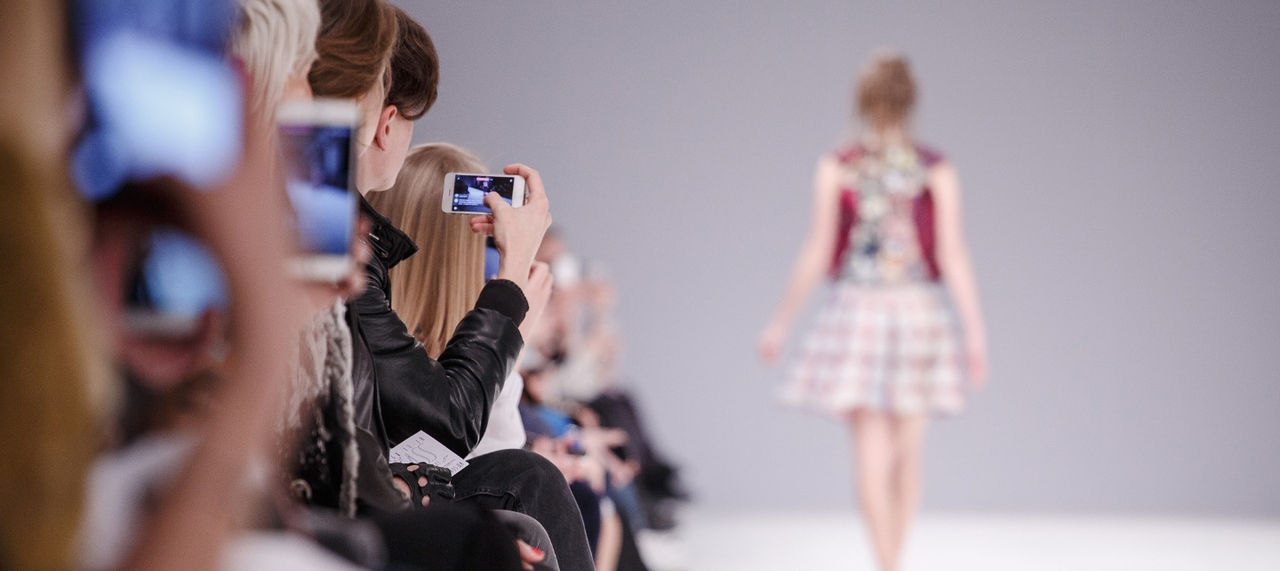
Walking around New York this week, it’s hard to miss the fashion. New York Fashion Week is here, with models strutting the catwalk, paparazzi stalking the front-row celebrities, and the sidewalks packed with fashionistas dressed like they belong on the runway themselves.

But some of the most interesting things happening in fashion aren’t necessarily the things you can see.

Behind the scenes, technology is quietly becoming part of how clothes are designed, presented, sold and worn. AI is helping designers experiment with new ideas before anything reaches the runway. Retail technology is changing how brands manage products and understand what shoppers want. And wearable tech is starting to look less like futuristic gadgets and more like something people might want to actually wear.

That’s a notable shift for an industry that has been experimenting with technology for years. The difference now is that technology is starting to fit more naturally into fashion, rather than asking fashion to change to accommodate it.


AI gets a seat at the design table

One of the clearest examples is happening behind the scenes at New York Fashion Week. Ahead of this year’s shows, Google partnered with designers Jane Wade and Sergio Hudson to test two AI tools built specifically for fashion. The tools can help designers test styling ideas and visualize what a look or runway presentation could look like before the real thing is made or planned.

In other words, AI isn’t designing the collection for them. It’s giving designers another way to try things out.

That could be useful in an industry where turning an idea into something physical takes time, money and a lot of work. Being able to quickly see how different ideas might make a different impact can give designers more room to experiment and innovate before committing to a final product.

And that may be where AI has the most interesting role in fashion: not replacing the person with the vision, but giving them more ways to explore it.

The experimentation doesn’t stop in the atelier.


The tech behind the shopping experience

Some of fashion’s biggest technology changes are happening far from the runway, and most shoppers may never even know they’re there.

This year, the New York Fashion Tech Lab is showcasing 11 women-led technology companies working on everything from making online stores easier to manage to helping brands understand which products are actually making money.

Some are tackling practical problems. One company, for example, uses AI to check online storefronts for issues that could make it harder for customers to shop. Others are helping brands make sense of scattered product data, understand customer feedback or spot suspicious returns.

It’s not the flashiest side of fashion technology. But it could have a real impact on how smoothly a brand operates and, ultimately, what a customer experiences, especially as agentic commerce grows in market share. A recent roundtable convened by PYMNTS and Mastercard brought together commerce leaders to better understand the risks and opportunities as retail is being shaped by autonomous agents. 


When technology becomes something you wear

Of course, fashion and technology have been trying to get into each other’s closets for a long time. There have been many attempts to make technology part of what we wear. Some caught on. Many didn’t.

Smart glasses may be different this time around.

Meta and EssilorLuxottica sold more than 7 million pairs of smart glasses in 2025, according to EssilorLuxottica, and Google is partnering with fashion names including Kering, Gentle Monster and Warby Parker on smart-glasses products.

Part of what makes this moment interesting is that the technology is being built into something people already understand: a pair of glasses.

Rather than asking consumers to wear a futuristic gadget, companies are starting with a familiar fashion accessory and adding new capabilities to it. That may be a small distinction, but it reflects a bigger lesson technology companies appear to be learning: Sometimes the easiest way to get people to embrace new technology is to make it feel like something they already know.

The agentic commerce revolution is here. What's next?

As AI shopping agents gain ground, explore how trust, control and consumer confidence will define agentic commerce.

A man looks at his phone next to a graphic showing an agentic transaction.