What are you looking for?

September 8, 2026
What if shopping became less about searching and comparing, and more about simply achieving the outcomes we want?
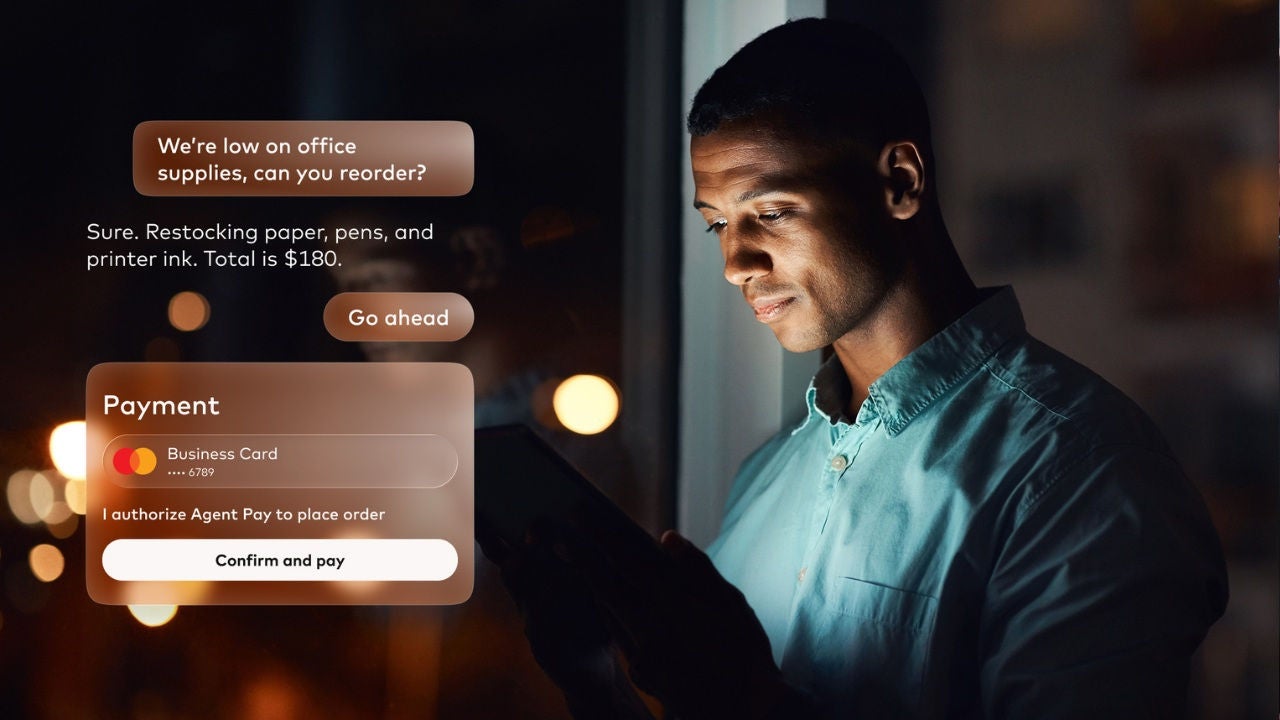
For decades, technology has helped simplify decisions, information and everyday tasks. Today, AI agents are beginning to act on people’s behalf, helping them search, compare, decide and transact within the boundaries they set. As these capabilities evolve, a new question is emerging: not what AI agents can do, but whether people will trust them to act on their behalf.
The future of commerce will not be shaped by AI alone. It will be shaped by trust, transparency and safeguards that allow people, businesses and financial institutions to participate with confidence. As software gains the ability to act on behalf of consumers and businesses, trusted identities, secure authentication and clear authorization become critical to ensuring people remain in control.
Developed in collaboration with leading futurists, Mastercard experts and original consumer research, “A short history of the future of shopping and payments,” explores what this shift could mean for consumers, retailers, merchants, banks and fintechs. The report examines how AI agents may reshape shopping, retail and payments over the coming years, and what it will take to build a future where software increasingly acts on behalf of consumers and businesses.
Drawing on expert perspectives and new consumer research, the report explores three perspectives on the future of commerce:
Throughout the report, contributors share practical guidance and predictions for the years ahead while examining the opportunities and challenges that accompany one of the most significant changes in how people shop, sell and pay.
Ultimately, the future of commerce will not be defined by the smartest agents or the fastest transactions. It will be defined by the systems people trust enough to delegate to. This report explores what it will take to build that trust and unlock the next era of commerce.