Innovation

June 18, 2026


When an AI gardener gives you advice, touch grass

Here’s what happens when instant expert guidance meets real-world variables.

google logo

Chris Mullen

Manager, Global Communications,

Mastercard

“What do you want to do next?”

When my wife and I packed up our food truck business in 2025, that was the question for two almost-empty-nesters with a sudden surplus of time and an attention deficit.

At the time I was hooked on Stardew Valley, a video game where you inherit land, clear weeds, plant seeds and turn a mess into something beautiful. After food truck life, it was cozy and dependable. Nothing breaks down, nobody needs a permit, and there’s no stress. You plant the thing, water the thing, the thing grows.

The irony only hit me later. Not long before, I'd survived a real, exhausting business by treating it like a game — leveling up the food truck one quest at a time. Now a game was nudging me another way: out of the house, into actual dirt. So I did what any reasonable person does after a couple hundred hours of fake farming. I started a real garden. And, true to form, I had no idea what I was doing.

But that's okay. I'd treat this the same as the last venture. Running a food truck makes you an expert at asking the internet the right questions, and garden knowledge can't be that different. Right? Just smaller, with fewer health inspectors.

So with a phone full of tools and plenty of confidence — humans have been cultivating plants for ten thousand years — I thought, “How hard could it be?”

Turns out, I wasn’t just growing produce. I was field-testing modern technology that promises expert advice on demand. So how did these digital tools, designed to flatten learning curves and speed up decisions, hold up in a world of real-life heat waves, unexpected invaders and a dozen other variable I could fully control?  

Spoiler: Even with AI in your overalls, it’s very easy to kill plants. 


The Pokédex: Photo synthesis

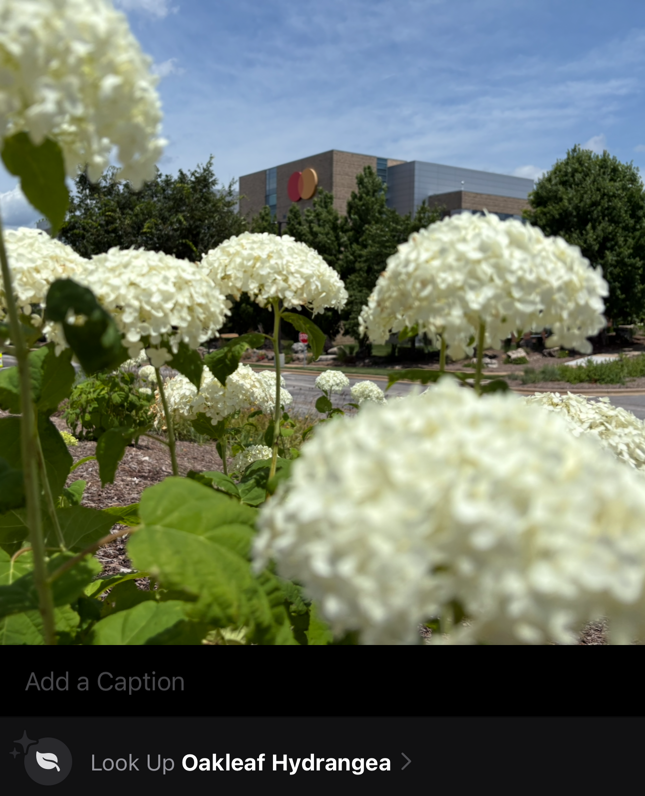
When I started this journey, I couldn’t tell you the difference between a dandelion and a daffodil. So, the first tool I reached for was my Pokédex (or, less romantically, my iPhone's plant identification feature).

On every walk, I'd point the camera at something green, and it would tell me what it was: genus, species, a card of facts, and links to chase.


I never have to wonder at another plant identification again. A basic photo app can now identify a plant down to its species. (Photo credit: Chris Mullen)


Like an episode of “Lost,” every answer opened 10 new questions. What's a climate zone? What does perennial mean? How much water is too much — and why does a plant signal "too much water" the same exact way it signals "too light"? Is it weird that nature ships the same error message for opposite problems and leaves you to debug it in the dirt? And speaking of that, which bugs are good for the garden, and which are villains?

There was, and is, so much to learn. But the internet never runs short of volumes on any subject and the Pokédex certainly connects me to that abundance of knowledge.

The Pokédex's flaw: confident but sometimes wrong, and useless at the thing a beginner needs most — telling my tomato seedling from a weed. So I’ve erroneously nursed weeds and yanked flowers. (RIP to the Morning Glory briefly mistaken for a sweet potato.)


Treebeard: Out on a limb

The second tool I built myself: an agent I trained on everything I'd learned about my specific garden. I named him Treebeard after the ancient being from “The Lord of the Rings,” hoping he'd speak on behalf of the plants.

Patient and always ready to answer, Treebeard never tired of my questions, and his answers came thoughtful, robust and supremely confident. He earned his keep — especially while we planned care and logistics for Cherry Potter, our new cherry tree.

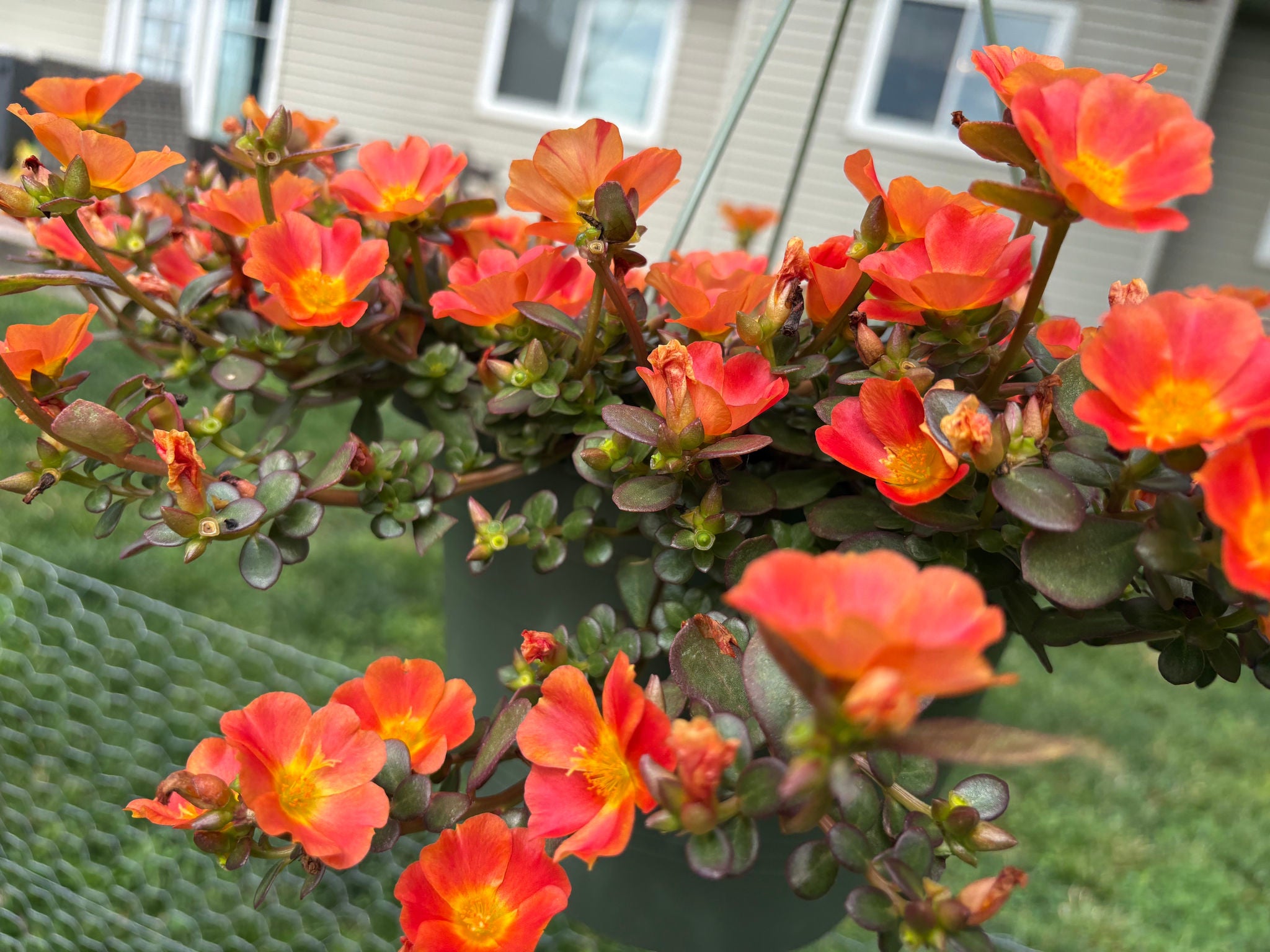
But Treebeard also once told me to prune my struggling purslane, Sir Scraggles, with the reckless disregard of a serial killer. Full confidence, no caveats. I obliged; Sir Scraggles did not survive. The thing is, Treebeard doesn't own a pair of shears … I do. I learned that I need to verify before any cut I can't undo. 


The algorithm: Down the garden path

The third teacher I didn't choose at all. The algorithm noticed, and decided gardening was my entire personality now. My feeds filled with tips like pruning hacks, watering schedules, and “ten plants you can't kill” (I could).

And I learned an enormous amount from videos I never went looking for. Which in time revealed the same flaw as the rest of my tools. Not misinformation, per se, but misapplication.

A creator can simply be wrong; it happens all the time. But, more disorienting, they can be completely right, for someone else. Right for a different set of variables. A different species. A different climate that was never a Missouri July.

Confident answers to a question I, a newbie, didn't ask, about a plant I don't own, in a place I don't live, leading to bad purchases, poor decisions and you guessed it, more plants for the compost pile. 


Tony Lutz of Verizon stands in front of a photo booth.

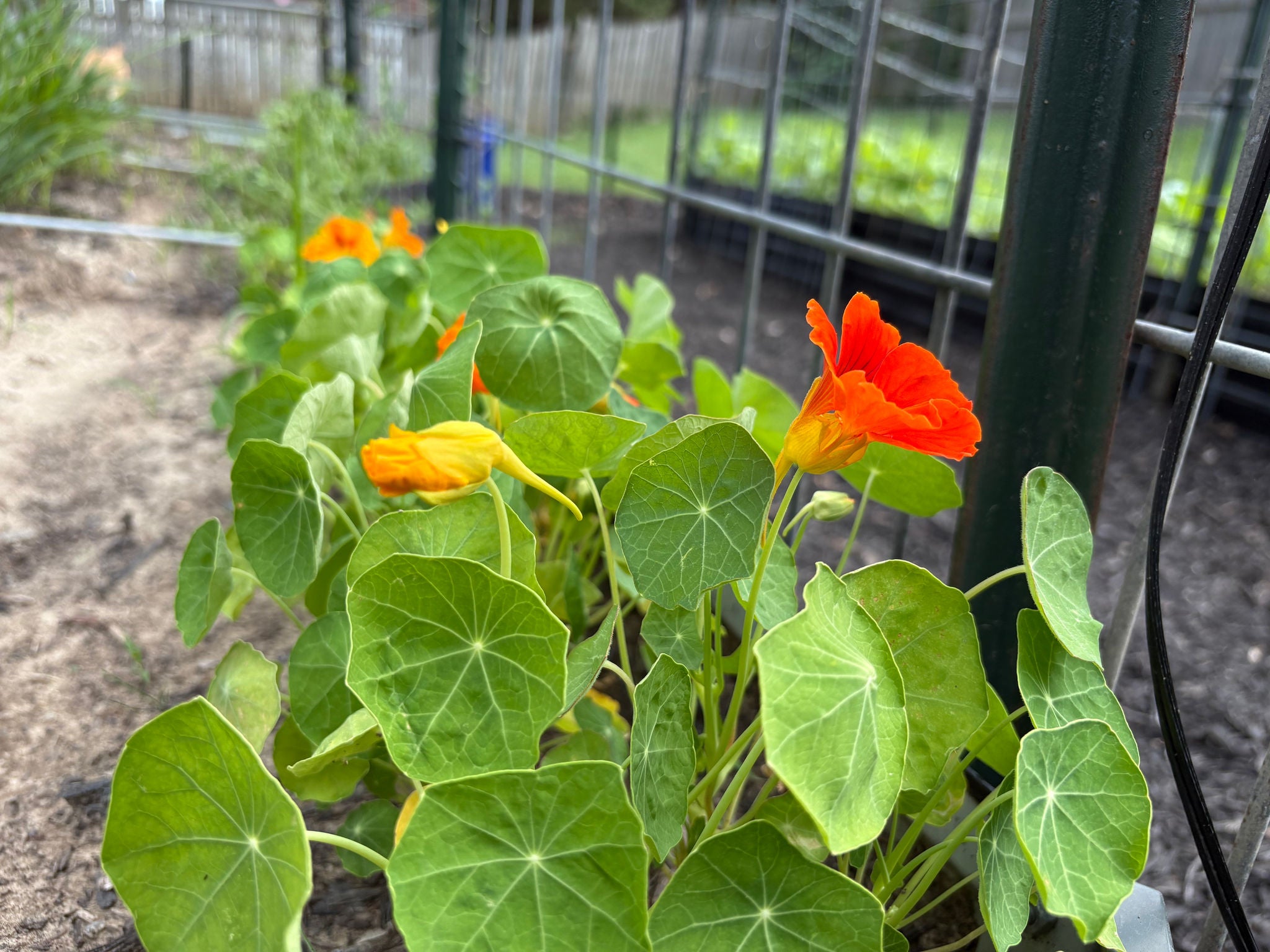
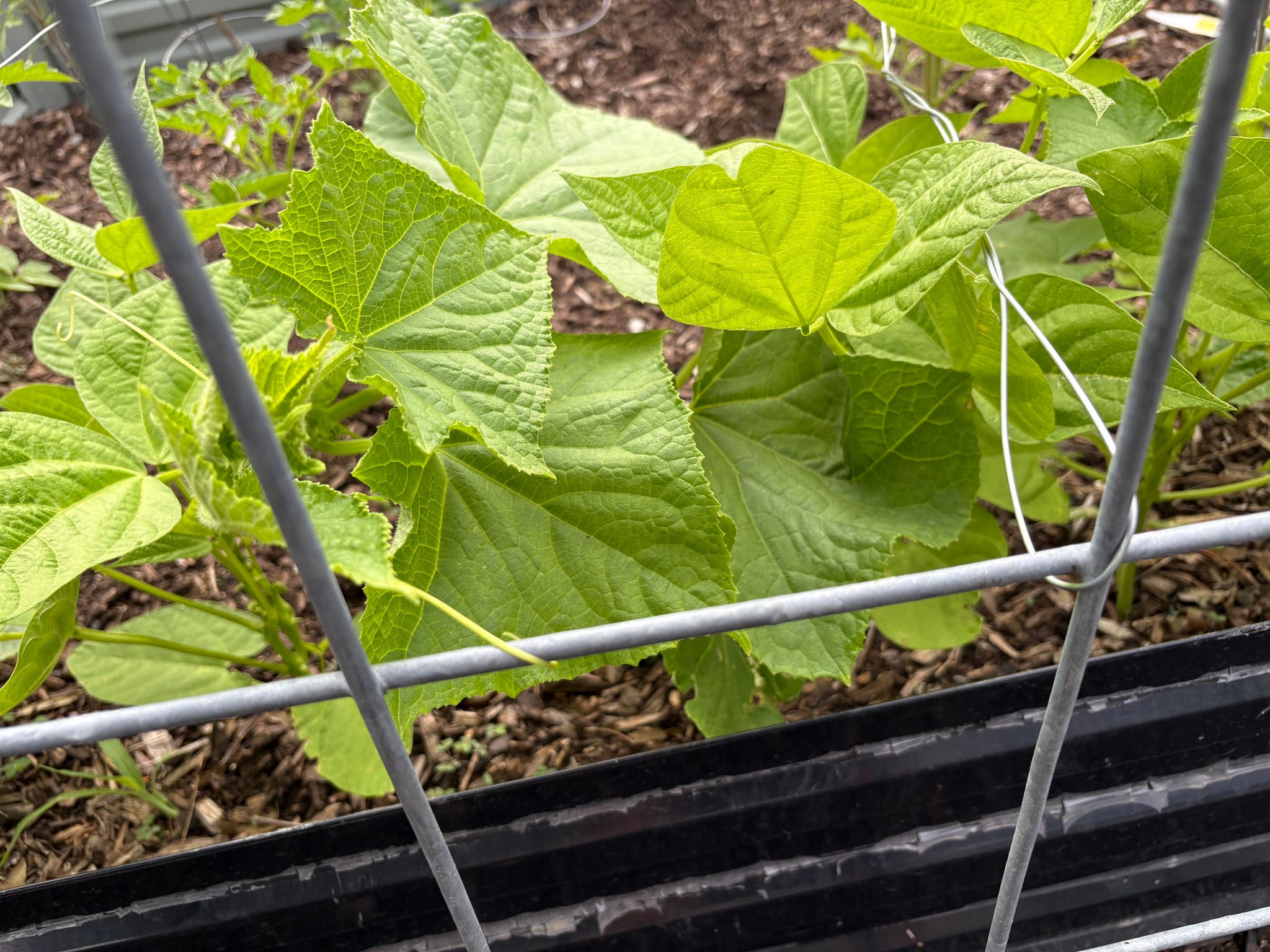
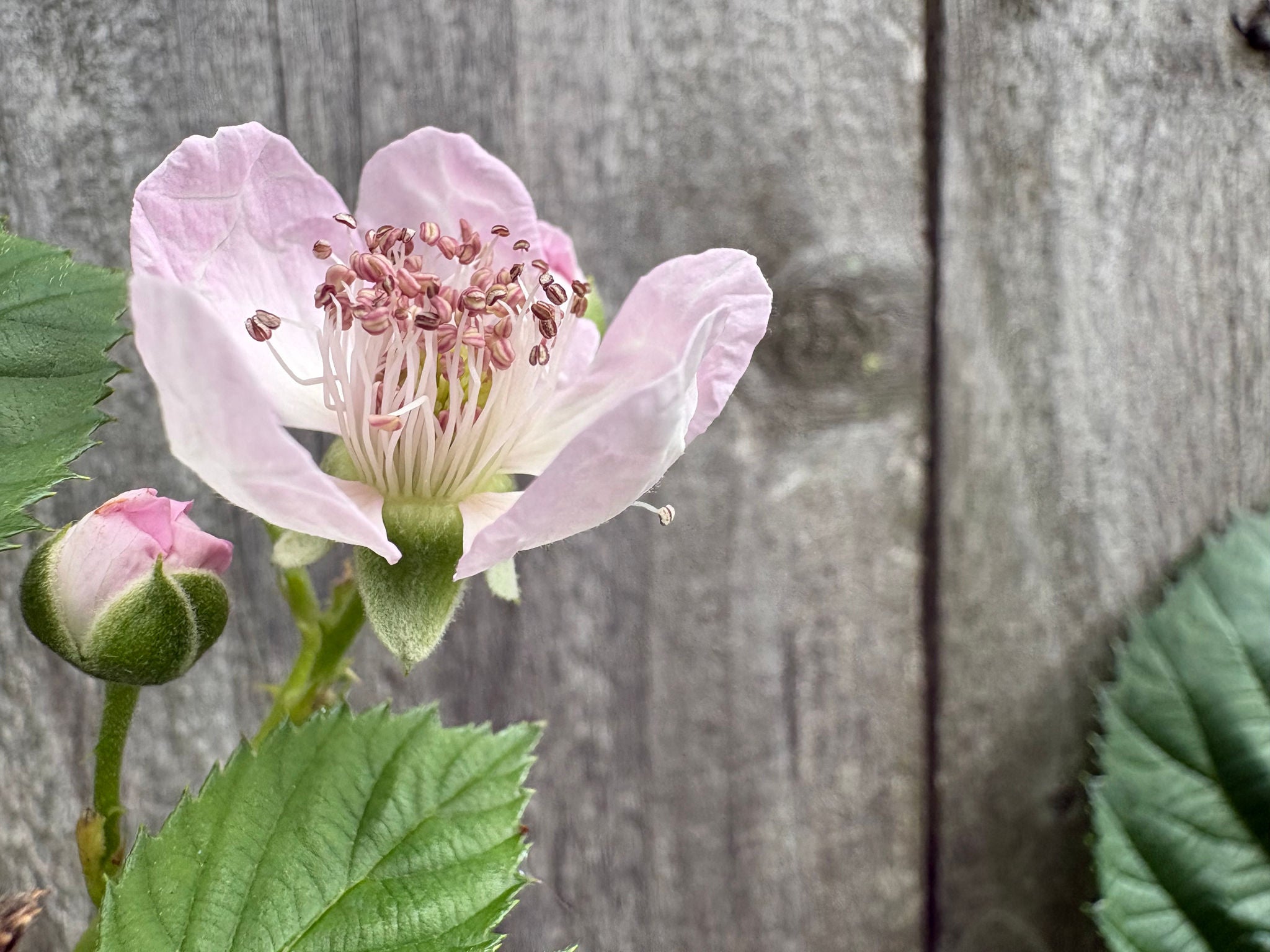
Clockwise from top left: AI said that nasturtiums would climb up the trellis; no luck yet, but pretty, though. Cucumber plants are, however, beginning to vine up, as I learned to guide them away from green beans trying to hog the sunlight. The pink blackberry blossom is taking off — hoping it eventually delivers a cobbler. Purslane opens in the sun and closes at night, and AI says it's edible, but I'm not ready yet. (Photo credit: Chris Mullen)


The lesson: Touch grass

Stardew Valley has a defined progression logic built in. You plant, you water, and the game tells you immediately (and truthfully) that it worked. A real garden does no such thing. You do the thing: adjust the water, move the pot into the sun, take the cut Treebeard swore by. And then you wait. Days. Weeks. A whole season, sometimes, before the plant tells you whether you were right. And even then you can't be sure which thing you did mattered, because there were forty variables and you changed six of them and the weather did whatever it pleased the entire time.


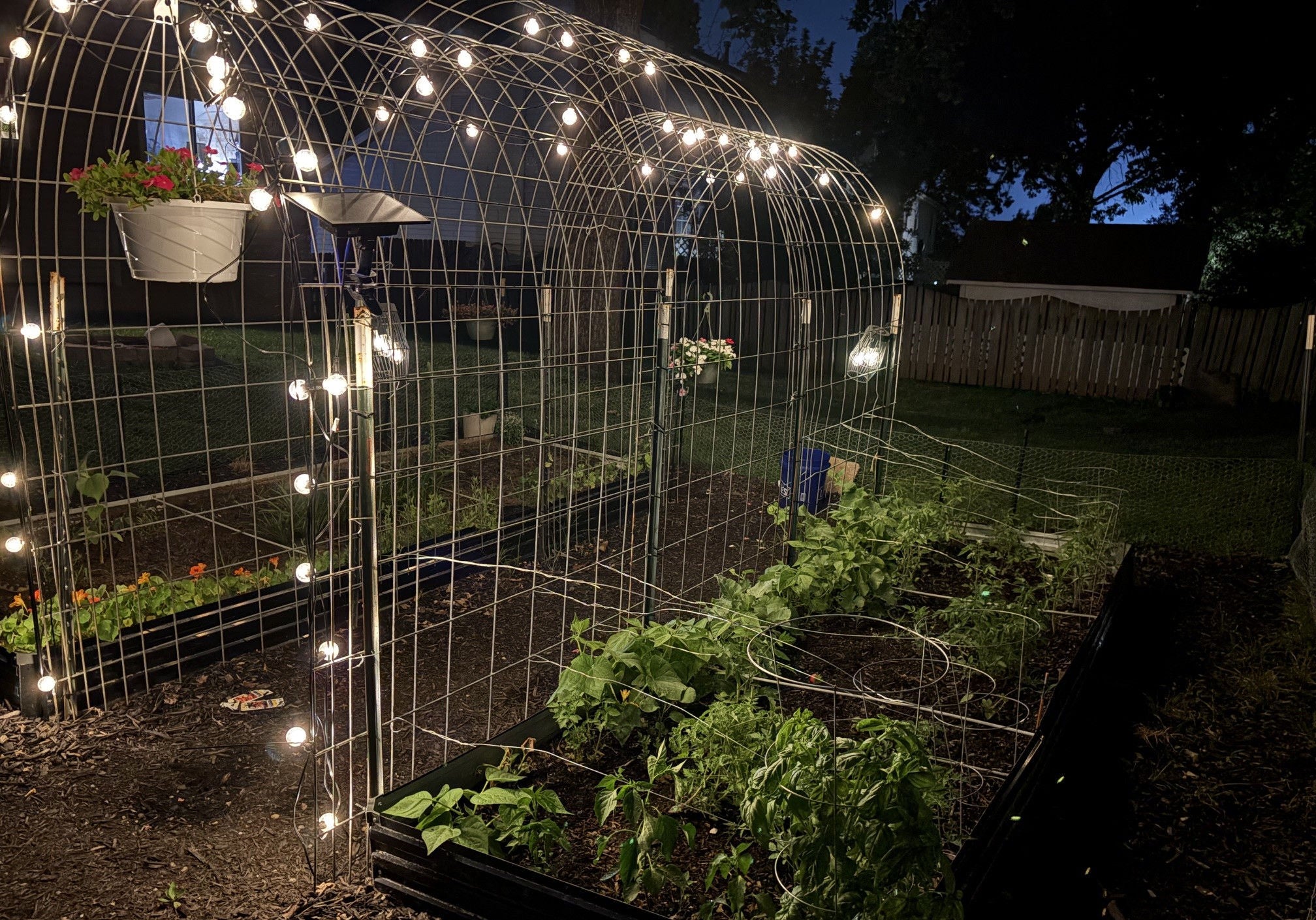
The garden at Chez Mullen at night. (Photo credit: Chris Mullen)


What I’ve learned in this journey is that these tools are built for ones and zeroes, clean inputs, instant outputs, a definite answer. A garden is a living thing, and living things keep their own counsel. You do, and you wait, and you watch, and you learn.

A lot of plants died so I could learn how not to kill them. But somewhere in the confused Googling and the bad pruning, something grew that no app gets credit for. I went looking for a tool that would teach me to garden. What I leveled up instead was slowing down, observing, patience, the okay-ness with not knowing … yet.

Technology was never going to grow the garden for me. The best it could do was hand me the information, so I could grow.

Now, on most quiet evenings, my wife and I walk the garden and stop at each plant and look, and I still can't always tell whether a thing is thriving, surviving or dying. All I know is, we’re thriving. 


When AI enters the apiary, bees — and beekeepers — thrive

In India, an AI-powered platform is helping small-scale beekeepers improve hive health, crop pollination and livelihoods — by keeping people in the loop.
A woman holds a panel from a hive crawling with honeybees.