What are you looking for?

Published: November, 2024 | Updated: September, 2026
The UK is a global fintech powerhouse - London alone is Europe’s ‘unicorn’ capital, with the nation capturing 10% of the worldwide market, according to the Kalifa Review.
But the fintech landscape is evolving fast, and competition is heating up as other markets catch up and innovate. The UK can’t afford to stand still. As account-to-account (A2A) payments become a bigger part of the digital payments landscape, UK fintechs have an opportunity to build faster, more accessible services around real-time infrastructure.
So, what’s next for UK fintechs? How can they maintain their edge, seize new growth opportunities, and continue driving innovation?
With the UK government committed to modernizing the nation’s account-to-account (A2A) payments infrastructure through its National Payments Vision (NPV), real-time payments are poised to unlock significant commercial opportunities.
Mastercard’s Helena Forest recently spoke with Finextra, highlighting how A2A payments can be the key catalyst to accelerating growth and innovation across the UK fintech sector.
Before examining the challenges and opportunities facing UK fintechs, it is worth understanding the customer and business needs driving increased interest in A2A payments across the UK market.
What end-user needs are accelerating A2A payments adoption in UK banking?
Consumers and businesses increasingly expect payment experiences that are fast, convenient and available in real time. As digital commerce grows, users want greater certainty that funds have been received, easier account access and payment options that fit seamlessly into online and mobile experiences.
Please accept functional cookies to watch this video.
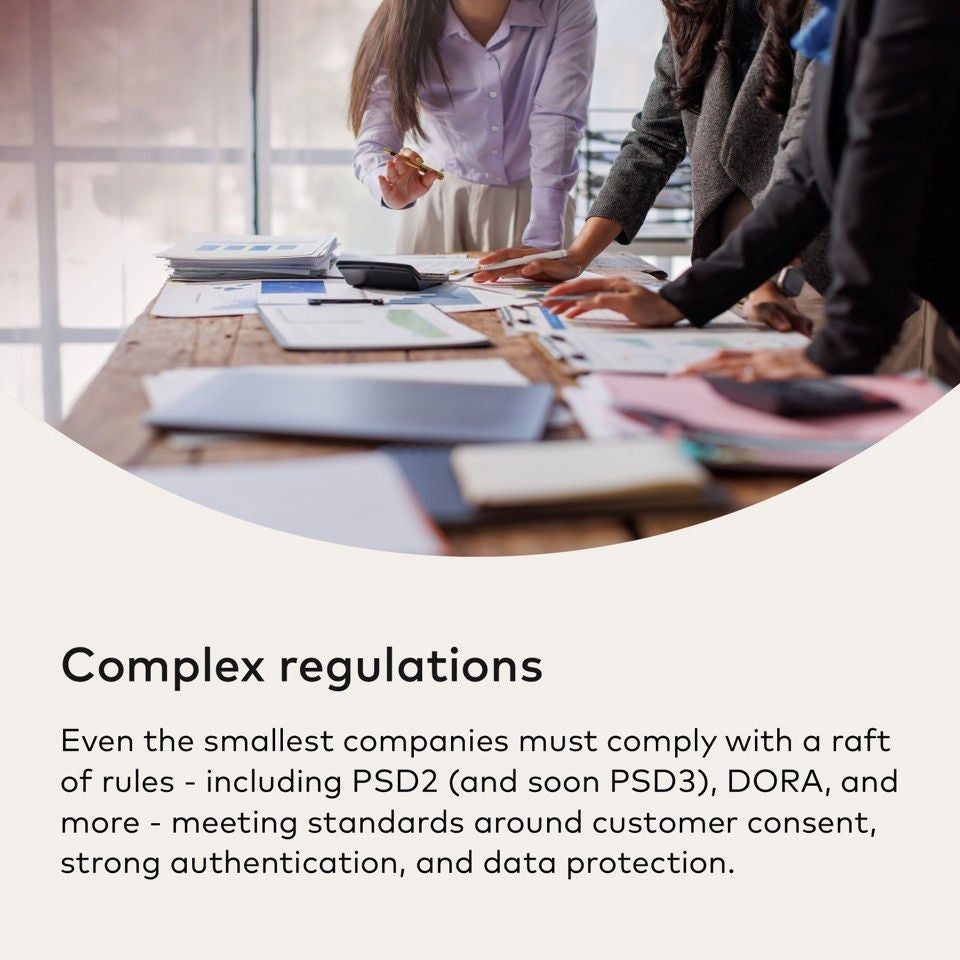
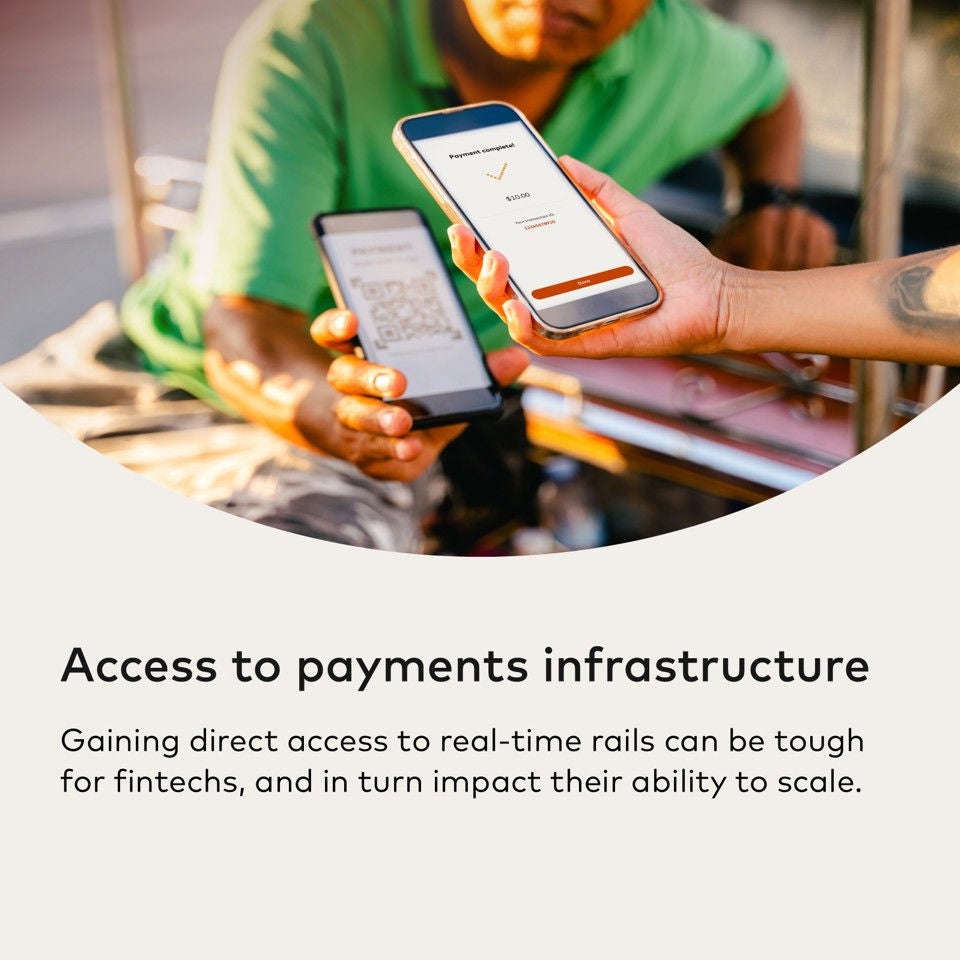
The UK has no shortage of innovative fintechs, including paytechs and neobanks, but the road to success can be bumpy. For them to succeed, they must overcome several challenges including:
Despite these headwinds, the opportunities for fintechs in the UK are huge – not least in A2A payments. A more modern, faster payment system could give fintechs the reliability and reach needed to scale new A2A payment experiences.
How do account-to-account payments create value for UK banks and customers?
A2A payments support a huge variety of use cases – spanning peer-to-peer (P2P), online purchase, bill payment, salary payment, and business-to-business (B2B) – all while delivering speed, certainty, and lower transaction costs.
Fintechs are already innovating across these areas. By building on the UK’s solid real-time foundations, they are poised for significant future growth if the government’s NPV becomes a reality and enables more start-ups to participate in the ecosystem.
Upgrading the A2A infrastructure – as proposed in the NPV – would speed up open banking adoption and boost interoperability, giving the UK’s fintechs the edge to scale, compete, and reach new customers like never before.
Crucially, the integration of ISO 20022 would allow more data to be included with payments, helping bolster fintechs’ fight against fraud. One type of fraud alone – authorized push payment (APP) fraud – led to losses of £213.7 million in the first half of 2024.
And the benefits wouldn’t stop in London. With more accessible infrastructure, regional fintech hubs – from Cardiff to Leeds, Manchester to Edinburgh – could thrive, spreading innovation and economic growth across the UK.
While the UK has long been a source of fintech innovation, it can also learn from bold progress elsewhere - like in the Philippines, where real-time payments are being reimagined through fintech collaboration.
Mastercard’s work with ShopeePay, a registered Electronic Money Issuer (EMI), shows how fintechs can thrive when empowered by progressive regulation and modular payment infrastructure. ShopeePay piloted InstaPay’s cash-in use case, allowing customers to access accounts through participating banks directly.
Regulatory openness in the Philippines has enabled EMIs to participate directly in payment systems - unlocking space for innovation. Mastercard’s collaboration with industry partners has helped bring new use cases to life and expand access through local fintechs.
While UK government, regulators and industry work together towards the National Payments Vision (NPV), fintechs must be front and center - building account-to-account solutions that drive inclusion, scale, and growth.
Watch Mastercard’s Helena Forest discuss how real-time payments can unlock scale, combat fraud, and support UK fintechs.
The National Payments Vision sets out an ambition for a more competitive and innovative payments market in the UK. For banks, this means helping account-to-account payments evolve in ways that improve data, support innovation and maintain resilience and trust — while giving consumers and businesses greater choice in how they pay and get paid.
Interoperability helps A2A payments grow in the UK by making it easier for banks, fintechs and payment providers to connect through shared infrastructure. This can reduce fragmentation, support open banking innovation and help A2A services scale more easily for consumers and businesses.
Mastercard’s Consumer Fraud Risk service uses AI-powered, real-time transaction scoring to help UK banks identify potentially fraudulent Faster Payments before funds are transferred. It is used by 15 banks representing 90% of UK A2A payments. Mastercard A2A Protect is intended to build on this capability by combining enhanced fraud detection with mule-account identification, standardized reporting, consumer protection standards and processes for dispute resolution and fund recovery.