Article

What is first-party fraud, and why is it so hard to tackle?

Published: January 24, 2024 | Updated: June 23, 2026

Team brainstorming together
  • According to merchants and issuers, first-party fraud accounted for around one in five disputes in 2025. 
  • 48% of consumers have disputed one or more charges that they later realized was actually legitimate. 
  • Shared data and real-time coordination between issuers and merchants can reduce chargebacks by addressing these underlying causes. 

First-party fraud — when a customer purposely or accidentally disputes legitimate transactions — has been growing in recent years. And unfortunately, it shows no signs of slowing down. In fact, merchants and issuers reported that around 20% of disputes stemmed from first-party fraud, or friendly fraud, in 2025, according to Mastercard and Javelin’s research

One reason it’s an ongoing issue: Merchants and issuers often don’t have all the data and intelligence they need to tell true fraud from first-party fraud. As a result, most disputes are still coded as fraud even though many are legitimate purchases.    

This makes it more critical for merchants and issuers to identify first-party fraud, understand why it’s happening and prevent the downstream impacts — particularly the resulting disputes and chargebacks.


What is the difference between first-party fraud and true fraud?

First-party fraud, or friendly fraud, occurs when a legitimate customer disputes a transaction they actually authorized, either intentionally or because they don’t recognize the charge (transaction confusion). 

The easiest way to prevent unnecessary chargebacks is to resolve the underlying issue quickly — for example, by offering the customer context about a charge, answering a question about the status of an order or issuing a refund when appropriate.

True fraud, by contrast, involves unauthorized use of a customer’s account by a third party. These transactions require immediate action to avoid further financial loss, including fraud controls like card locking or reissuance.


Why is first-party fraud so hard for businesses and banks to detect and identify?

There are two main reasons first-party fraud is so persistent:

1. Transaction confusion is only growing.

As people transact digitally more often and on a growing number of devices like phones, tablets or even smart watches, transaction confusion is rising. Online banking is now the main way consumers review their purchase activity, but the merchant name and other details shown are not always recognizable.  

One eye-opening stat: Almost half of consumers (48%) have disputed one or more charges that they later realized were actually legitimate, according to Mastercard and Datos Insights’ research

“Household fraud” is also rising. This form of friendly fraud occurs when someone who lives in the same home as the cardholder authorizes a transaction without their knowledge. It is becoming more common as shared accounts, like streaming and other subscription services, store card information and allow anyone with access to make purchases.

2. The dispute process is being misused.

Not all first-party fraud is caused by confusion. A fast-growing share stems from consumers using the chargeback process as a way to avoid paying for their purchase. This may occur due to a problem like a delivery delay, or because the customer was simply unhappy with their purchase. 

Traditionally, the expectation was that consumers would contact the merchant directly to resolve any issues. Now, more are going directly to the issuer instead, bypassing the merchant — even when they have generous return and exchange policies designed to make customers happy.  

More than four in five issuers (83%) say increasing customer awareness of the dispute process is driving rising chargeback volumes, and over three-quarters of merchants (77%) believe disputing transactions has become too easy, according to Mastercard and Javelin’s 2026 white paper

While this is technically a misuse of the dispute process, it’s the new reality. Merchants and issuers must work together to motivate consumers to reach out to the merchant when they have issues.


How can businesses prevent first-party fraud and reduce friendly fraud chargebacks?

Collaborative data-sharing technologies are already helping dispute teams reduce first-party fraud — without requiring perfect distinction between true fraud and friendly fraud.

Two solutions are making an immediate impact:

Reduce transaction confusion at the source (Ethoca Consumer Clarity™

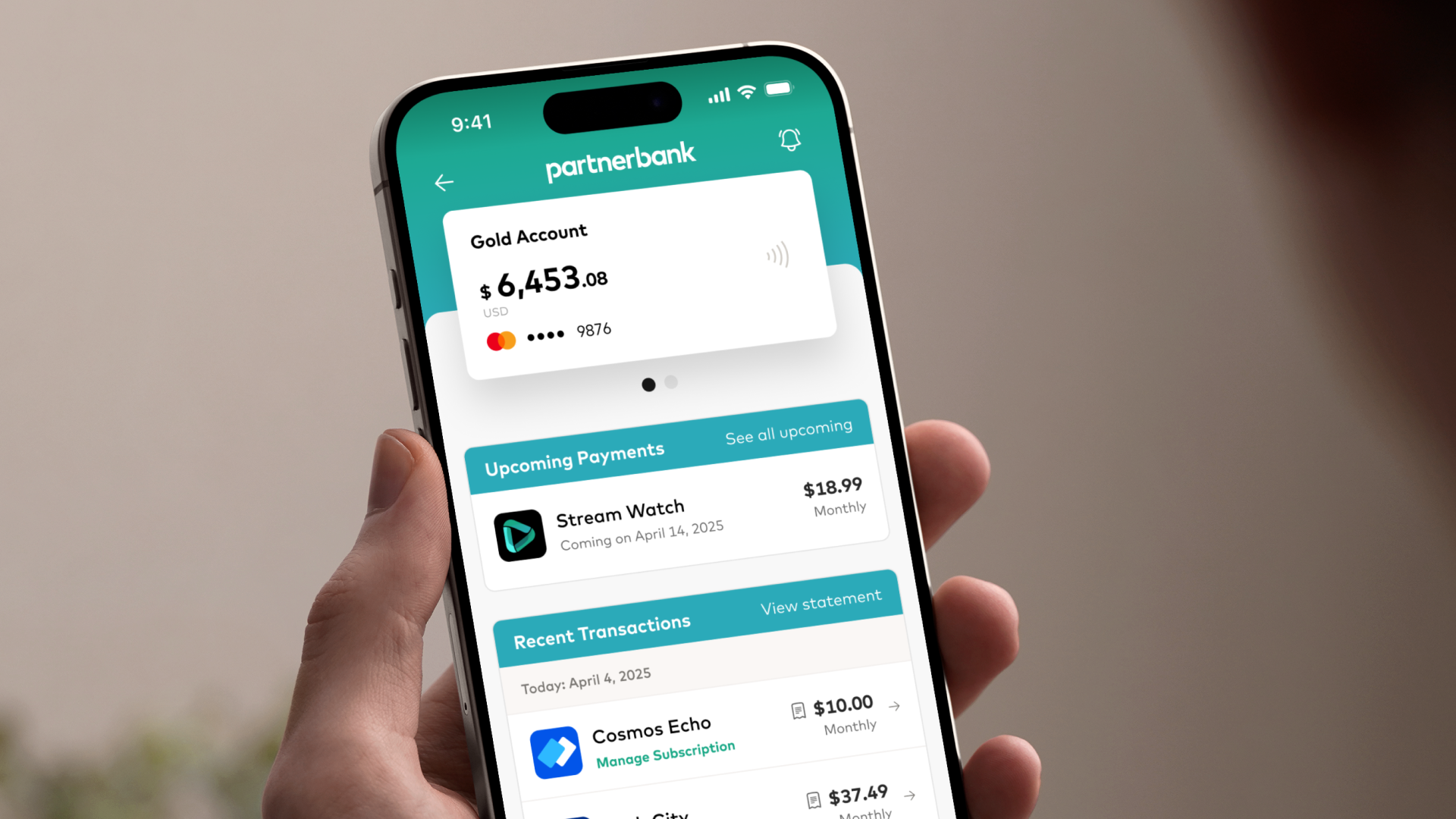
  • By connecting merchants and issuers together, Consumer Clarity enables rich purchase information sharing — including clear merchant names, logos, geolocation data, fully itemized receipts and even Smart Subscriptions functionality — to be shared via issuers' digital banking apps and back-office teams. This provides cardholders with multiple channels to get purchase information that helps reduce confusion that often leads to friendly fraud disputes, while also building a better customer experience.

Act on disputes in near real time (Ethoca Alerts)  

  • By sharing fraud and dispute data from issuers in near-real-time, Ethoca Alerts enables merchants to quickly respond to potential chargebacks by stopping order fulfillment, refunding the purchase, and effectively stopping the need for chargebacks altogether. For merchants and issuers alike, this speeds up the dispute process and not only gives customers a better experience, but also reduces the operational costs associated with chargeback management.

Integrating Ethoca Alerts has made our operations smarter and our customers happier – it’s a win on every level.

Jim Collins Director of Fraud and ORC Do Investigations Lowe’s

What will it take for first-party fraud solutions to stay ahead?

As disputes continue to rise, issuers and merchants will need solutions that make it easier to accurately distinguish true fraud from first-party fraud. That means using shared data — like transaction history, device ID and account behavior — to identify legitimate transactions flagged as fraud.  

By collaborating more closely, issuers and merchants can act faster to prevent revenue loss and make the customer experience frictionless. These capabilities will be especially critical for digital-first merchants, which tend to see some of the highest levels of first-party fraud. 


Why collaboration is critical

First-party fraud sits at the intersection of customer behavior, transaction clarity and dispute workflows. No single party has a complete view.

Improving outcomes demands real-time coordination between issuers and merchants, powered by shared data. This collaborative approach can reduce unnecessary chargebacks, protect revenue and strengthen customer trust.

Discover how Ethoca Consumer Clarity™ and Ethoca Alerts can help improve dispute outcomes at scale.

FAQs

What is first-party fraud?

First-party fraud happens when a customer disputes a transaction they authorized, either intentionally or due to confusion. It often results in unnecessary chargebacks. 

Why is first-party fraud difficult to detect?

First-party fraud closely resembles true fraud in dispute systems, and merchants and issuers often lack the shared data needed to accurately distinguish between legitimate and unauthorized transactions. 

What causes most first-party fraud?

The two primary drivers of first-party fraud are transaction confusion, when consumers struggle to recognize charges on their statement, and misuse of the dispute process, when they use chargebacks to avoid paying for purchases. 

How can businesses reduce first-party fraud and the resulting chargebacks?

Issuers and merchants can prevent first-party fraud by adopting collaborative solutions that provide clear purchase details, reducing transaction confusion. Solutions that enable near real-time dispute response can also help resolve issues early, before they escalate into chargebacks. 

Contact sales

Talk to an expert to learn how Mastercard can enhance your business through our products and services.