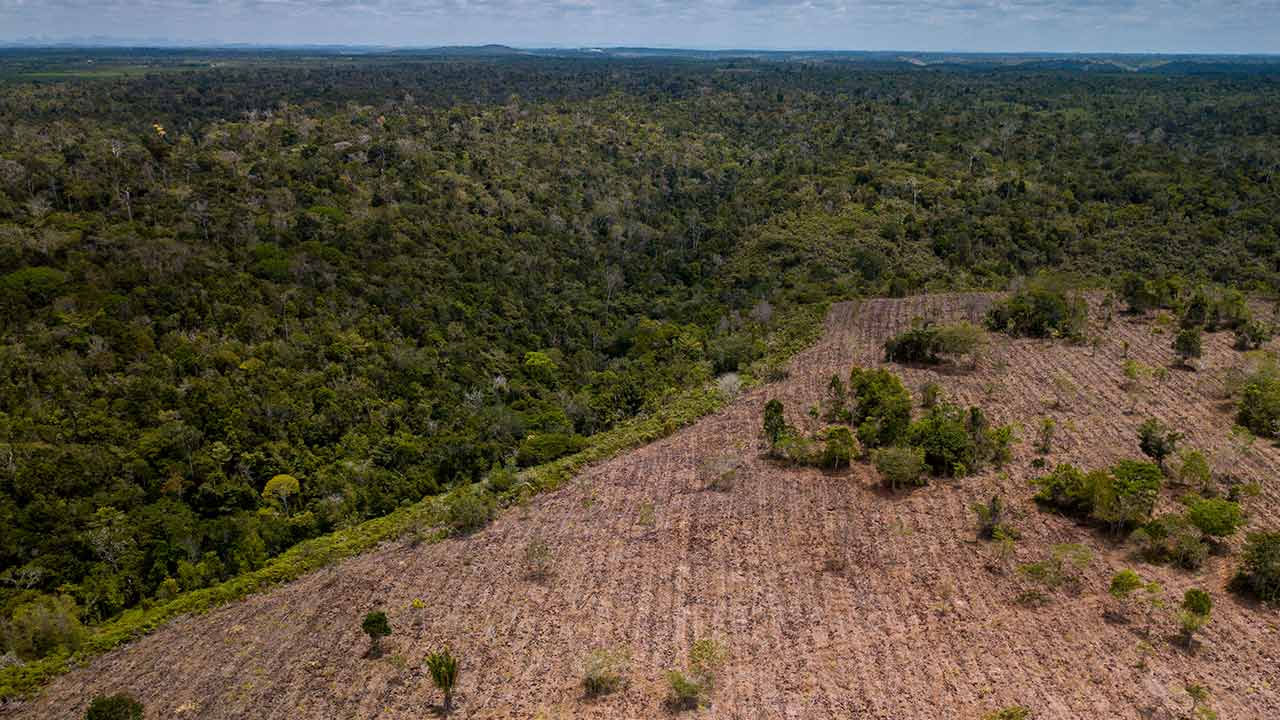
Throughout the 2019 and 2020 Australian bushfire seasons, more than 18.6 million hectares of land burned, killing at least 37 people and millions of animals while destroying over 5,900 buildings, including over 2,800 homes. Nine hundred million tons of carbon dioxide was released into the atmosphere, equivalent to nearly double the country’s total yearly fossil fuel emissions.
Environmental disasters are becoming more intense each year. Given that the lives of people, animals and even plants are interconnected, recovery can be long and arduous. The Priceless Planet Coalition is seeking ways to prevent or reduce the risk and, should disasters happen, create the path to ensure we all can recover faster and better.
Greening Australia is partnering with Conservation International and Minderoo Foundation to assist and revitalize communities affected by the bushfires and to restore the damaged landscapes while developing a long-term blueprint for addressing wildfire and disaster resilience.
New South Wales: the Southern Tablelands is a geographic area characterized by high, flat country. Its forest structure consists of open eucalyptus forest 20 to 35 meters tall, with variable density of shrubs and a diverse, relatively continuous herbaceous-grassy ground cover. The area of native forests in the Riverina region consists mainly of Eucalypt Medium Open, Eucalypt Medium Woodland and Eucalypt Mallee Woodland. Western Sydney is largely made up of low rolling hills and wide valleys, with indigenous woodlands comprised of open tree canopies, grassy ground cover and layers of shrubs and small trees.
Victoria: the Central Otway is situated on the Otway Plain. River systems within this area are a high priority due to the many ecological values and the vital urban water supply. Gippsland is a landscape that grows some of the tallest trees in the world. The ranges are deeply dissected with moderate to steep slopes and numerous gullies and creeks. It forms the headwaters of the many rivers that run to the inlets, bays and estuaries on the southern Victorian coastline and provides critical habitat for the nationally threatened Greater Glider.
South Australia: the Coorong is located at the end of the Murray River in South Australia, in the area known as the Limestone Coast. The system includes coastal dune sands and lagoonal sediments near shallow waters and lagoon corridors. The area can be subject to wind erosion and low fertility, with saline swamps in the area. The location has significant conservation value providing habitat and/or habitat connectivity for local species which are threatened or in decline in South Australia’s southeast region.
Restore 430,000 trees, sequester 8,600 tonnes of CO2* and restore 450 hectares of land.
Tree planting: the planting of seedlings over an area with little or no forest canopy to meet specific goals.
Enrichment planting: the strategic reestablishment of key tree species in a forest that is ecologically degraded due to lack of certain species, without which the forest is unable to naturally sustain itself.
Direct seeding: the active dispersal of seeds (preferably ecologically diverse, native seed mixes) that will allow for natural regeneration to occur, provided the area is protected from disturbances. This is a differentiated category from planting young trees.
In the Southern Highlands, Greening Australia is reinstating the tree and shrub layers of woodland vegetation communities, establishing at least 12 species appropriate for those habitat types, including the following unique, hand-planted species:
In western Sydney, they are considering a diverse mix of 28 unique, locally sourced species suitable to the Cumberland Plain Communities across five sites.
Across the Victorian planting regions, 37 unique species are being installed to restore habitat for threatened vegetation communities.
Across the South Australia planting site, 11 unique species are being installed to provide plants for refuge and food resources for species.
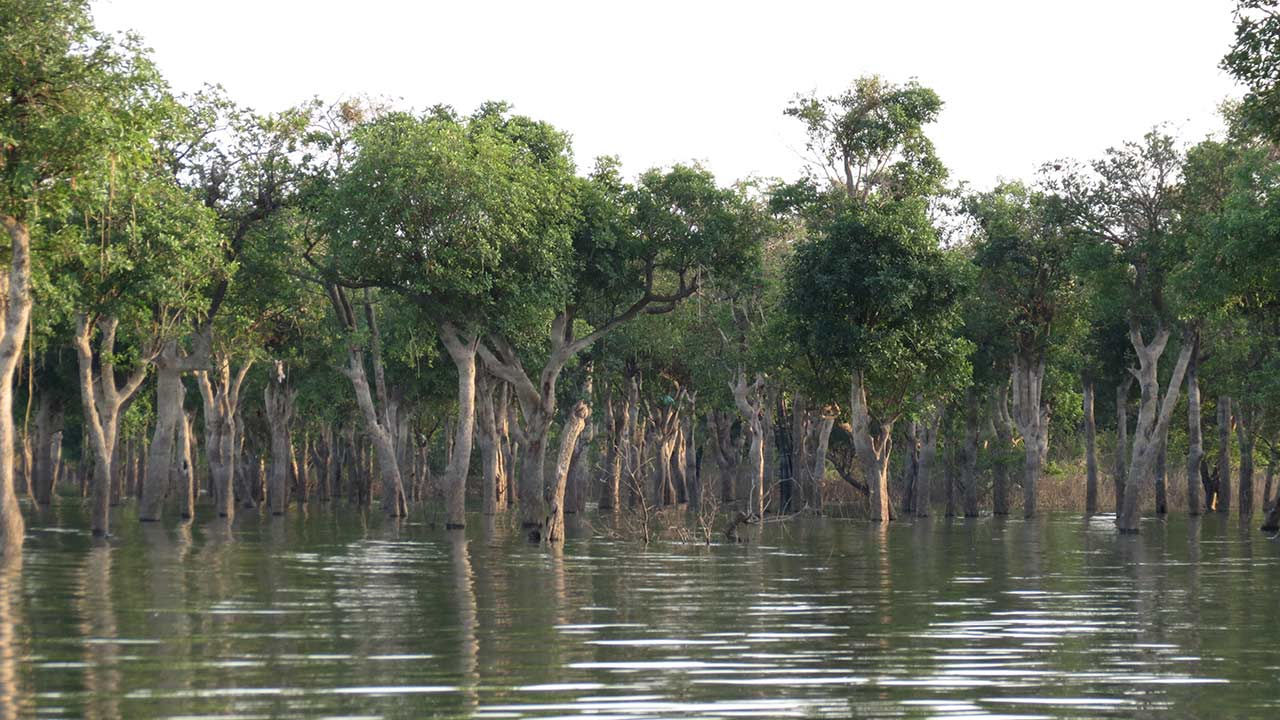
Conservation International is partnering with community fisheries organizations in order to restore flooded gallery forest within the boundaries of each community’s area. The aim is to provide vital habitat for fish and wild animals, while enhancing livelihood options of the communities and increasing their resilience to the impact of climate change.
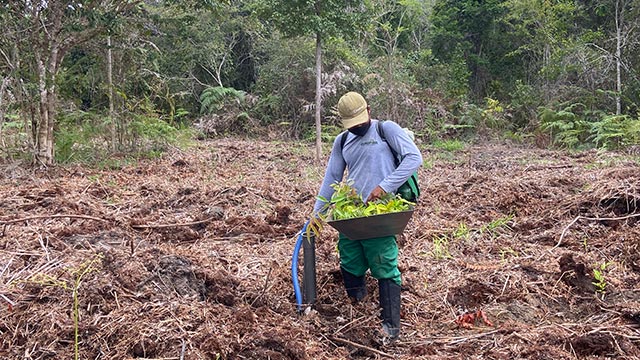
Floodplain
Restore 219,980 trees, sequester 4,400 tonnes of CO2* and restore 510 hectares of land.
Active tree planting: the planting of seedlings over an area with little or no forest canopy to meet specific goals.
Assisted natural regeneration: the exclusion of threats (i.e., grazing, fire, invasive plants) that had previously prevented the natural regrowth of a forested area from seeds already present in the soil or from natural seed dispersal from nearby trees.
Direct seeding: the active dispersal of seeds (preferably ecologically diverse, native seed mixes) that will allow for natural regeneration to occur, provided the area is protected from disturbances. This is a differentiated category from planting young trees.
Majority native floodplain species, such as:
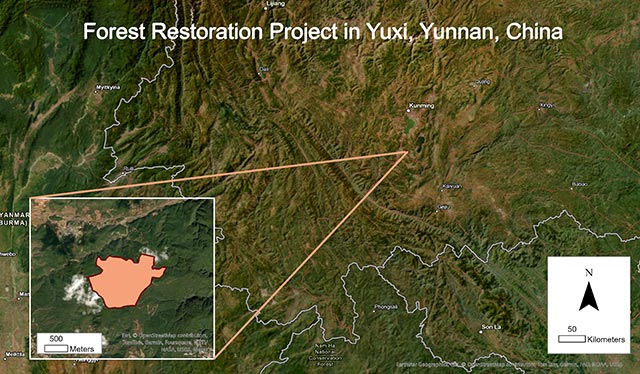
Prior to the fire, the forests were all non-commercial trees planted in the 1980s on state-owned and collective-owned lands, with Yunnan pine (Pinus yunnanensis) as the dominant species. The project aims to re-establish coniferous and broad-leaved mixed forests, to increase biodiversity and create a more fire-resistant forest, compared to the single-species Yunnan pine forests. This project could serve as a model for best practices and innovation for forest management in Southwest China.
The project is located in Yunnan Province, covered by warm broad-leaved forest and warm temperate coniferous forest. The major vegetation is Yunnan pine (Pinus yunnanensis) pure forest.
The Yunnan pine forest in Jiangchuan District is critical to local livelihoods. It provides habitats for various species of edible fungi and plays a critical role in soil and water conservation.
Restore 150,000 trees, sequester 3,000 tonnes of CO2* and restore 100 hectares of land.
Tree planting: the planting of seedlings over an area with little or no forest canopy to meet specific goals.
Invasive species removal: using manual methods, treatments or equipment to remove invasive species that hinder the growth and regeneration of desired or native species.
All native, including:
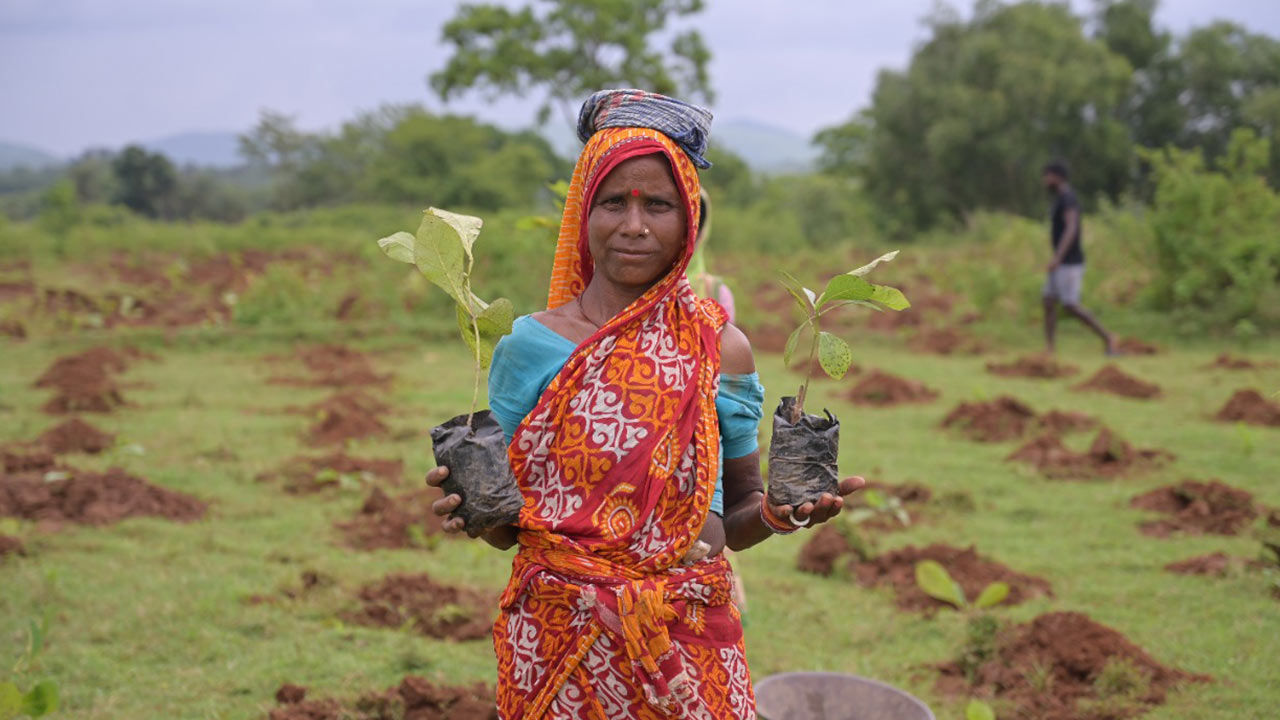
Between the Indian states of Jharkhand and Odisha lies the Dalma-Similipal Asian elephant corridor. Heavy mining activities and shifting crop cultivation have destroyed much of the corridor’s natural forests, which serve as a protective screen for migrating elephants and keep them away from farms. Elephants that once roamed free are now restricted to 15% of their original range — and their population has dropped by half.
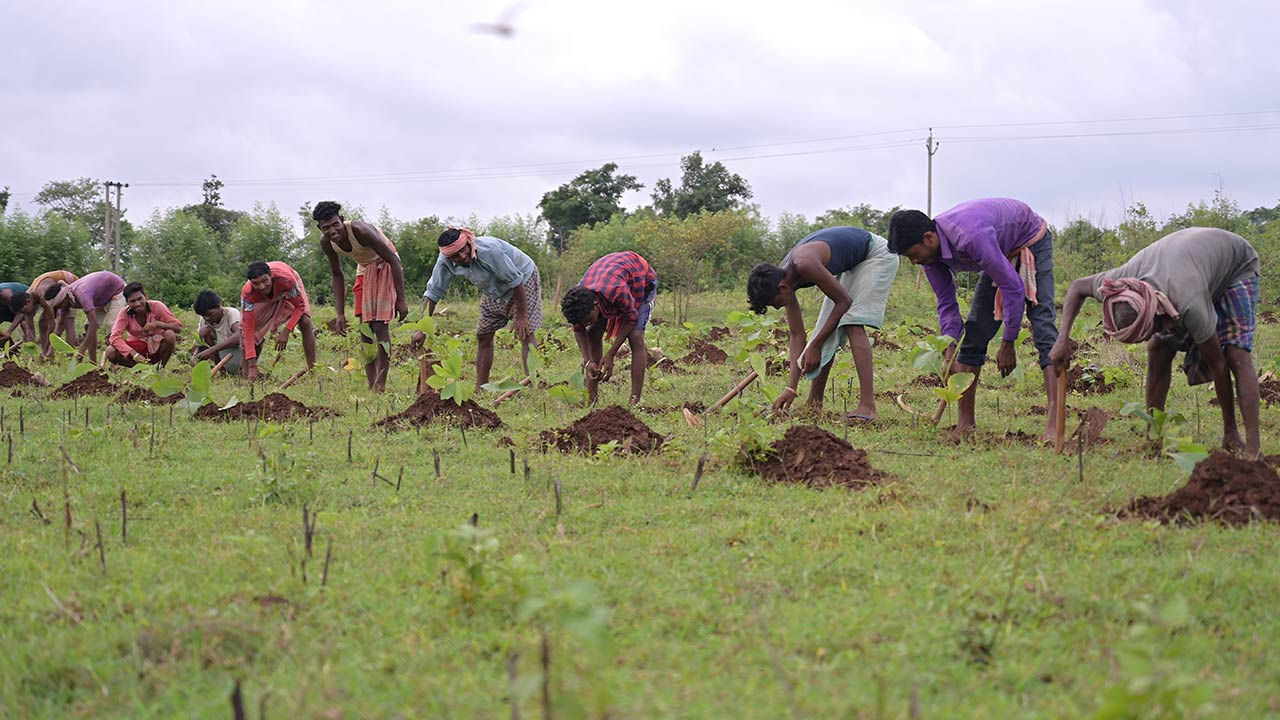
The Priceless Planet Coalition project in India aims to connect these two protected areas by planting trees to increase the forest cover, thereby increasing the ecological integrity of the corridor and the area available for elephants to forage. All trees planted will be indigenous or naturalized species, which will support other key species in the area, like the endangered Royal Bengal tiger. Partner Grow-Trees, which has been operating for 13 years, will collaborate with local people, local gram panchayat (village governments) and the Forest Department to grow trees in the right places. This collaboration will ensure the long-term viability of the project.
Local people will grow the saplings in nurseries for six months and distribute them during the monsoon season. A year after planting, independent auditors will assess the trees’ survival, and the project’s management will shift over time to the local villages. The rights to the trees will lie with the local communities, who will be able to receive income from gathering and selling forest products, like fruits and traditional medicines. With that approach, Grow-Trees has planted more than 9 million trees and created more than 742,000 workdays for rural and tribal communities.
Located on the periphery of the Dalma and Similipal forest ranges, the project areas have a temperate climate with an annual rainfall of 1,200-1,600 millimeters. Living within the path of the south-west monsoon, communities experience heavy rains during July and September. The site in East Singhbhum in Jharkhand state forms a part of the Chota Nagpur Plateau, characterized by upland terrain with hills, plateaus, valleys and plains. The vegetation in this area is mostly dry and thorny on the rocky hill slopes. The site in the Mayurbhanj district in Odisha state is part of a north central plateau agroclimatic region. Located away from the coastal belt, the district experiences a subtropical climate with a hot summer and a cool winter with steady rain. The district contains lush green vegetation, a myriad of fauna and rich cultural heritage.
Restore 1,129,545 trees, sequester 22,591 tonnes of CO2* and restore 500 hectares of land.
Tree planting: the planting of seedlings over an area with little or no forest canopy to meet specific goals.
Riparian restoration: specific interventions in the hydrological flows and vegetative cover to improve the ecological function of a degraded wetland or riparian area.
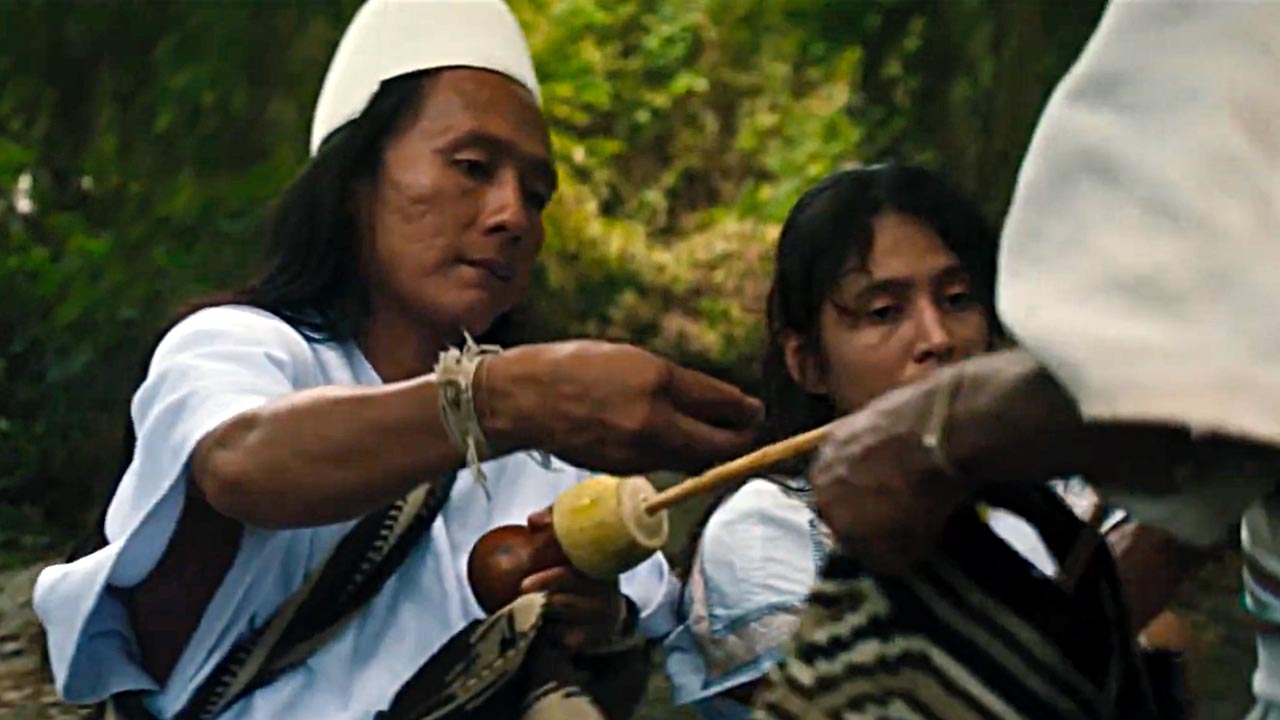
A mix of tree species are planted in this region, offering numerous benefits for both wildlife and the local villagers. These species are planted to enhance the region's green cover and contribute to ecological and community well-being. They include:
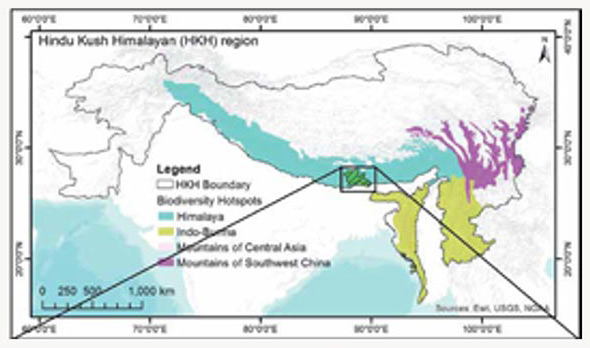
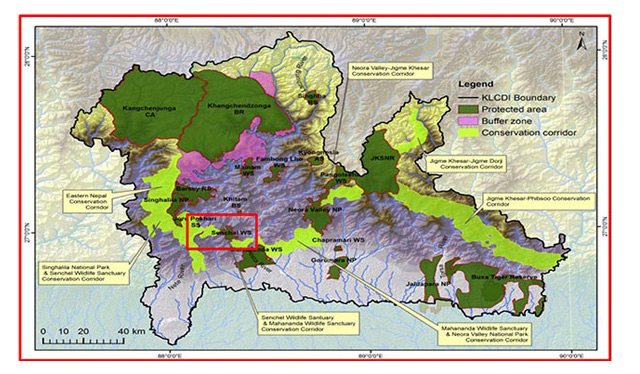
Launching fall 2024, this is part of a larger initiative that includes parts of India, Nepal, Bhutan and Bangladesh, which are part of the Eastern Himalayas. ATREE is one of the founding implementing partners working in the Eastern Himalayas.
The project will implement restoration strategies and monitor saplings, maintaining their survival. The project will also declare community conserved areas owned and managed by legally recognized customary institutions like the Village Councils in Nagaland. It will strengthen Joint Forest Management committees for protected areas and reserve forests in North Bengal and explore other effective conservation measures as a tool for sustaining restoration.
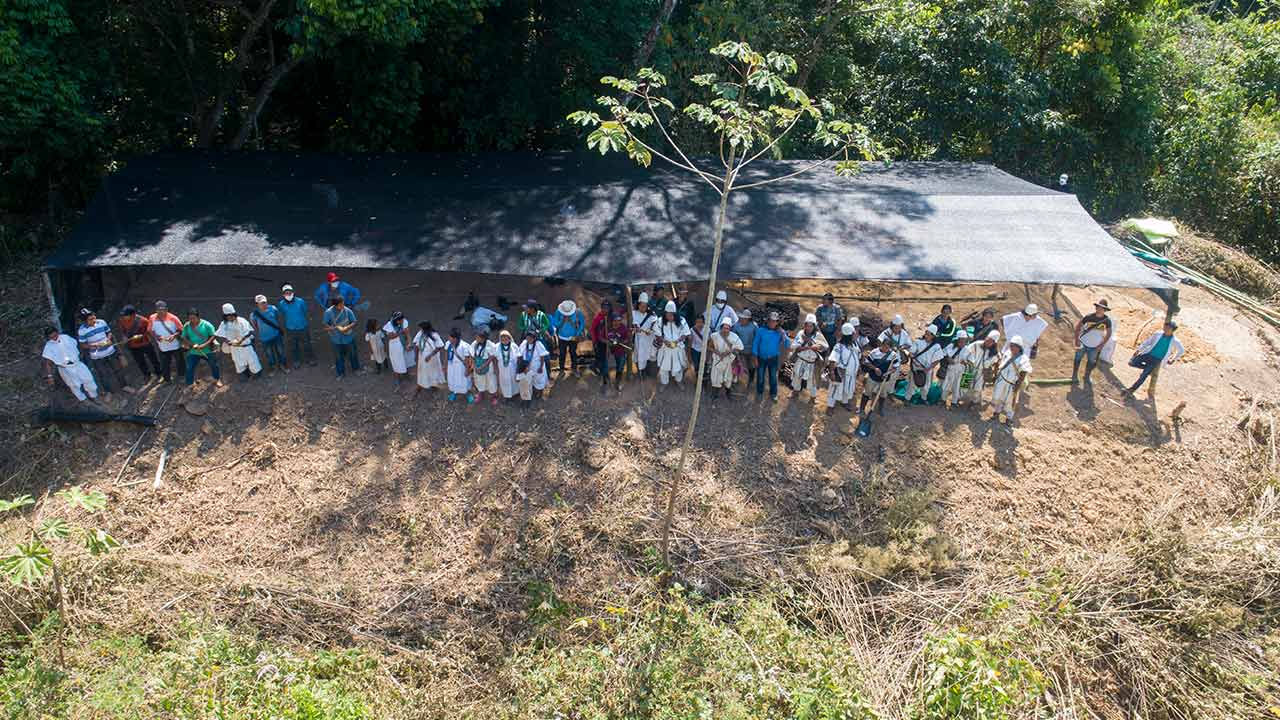
The terrain in the Darjeeling Himalayas comprises:
Mountainous ridges: the region features a series of ridges and valleys with different elevation ranges.
Foothills: the foothills of Darjeeling extend into the lower regions before transitioning into the plains of West Bengal. These areas are characterized by a gentler slope compared to the steeper terrain of the higher altitudes.
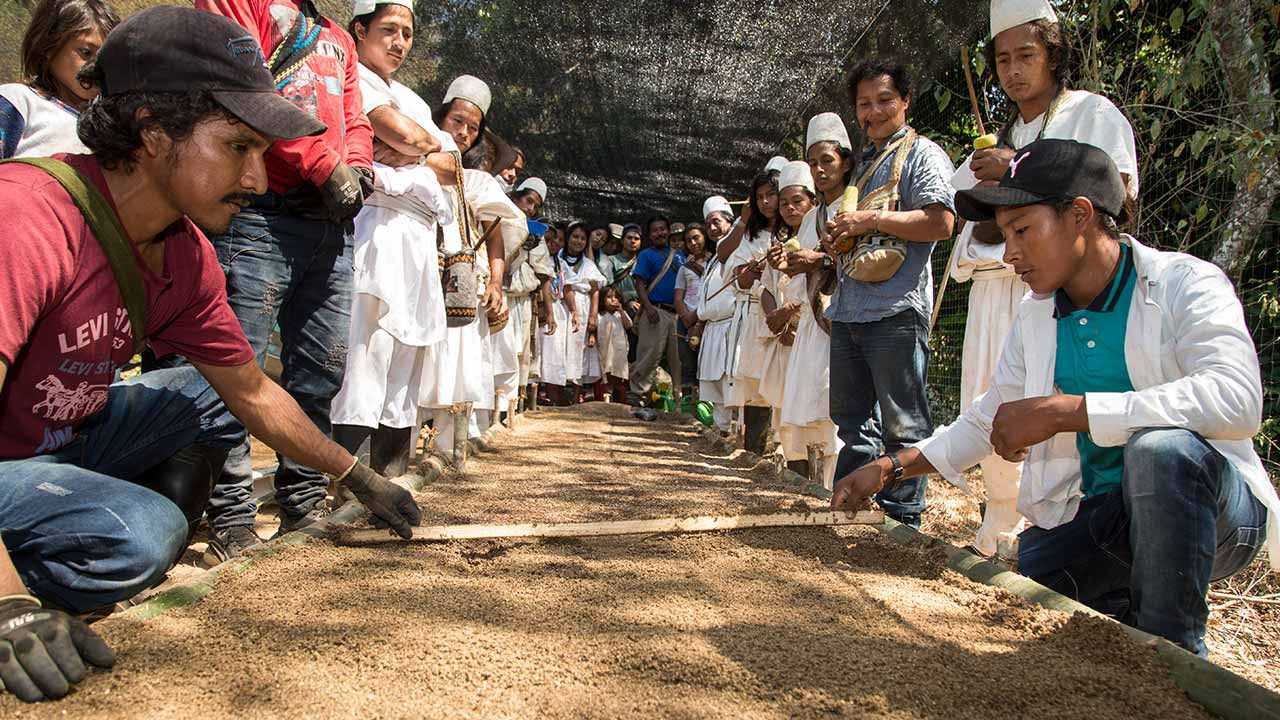
River valleys: numerous rivers and streams flow through the foothills. These rivers and streams cut through the landscape, creating fertile areas for agriculture and settlements.
Restore 640,000 trees, sequester 12,800 tonnes of CO2* and restore 210 hectares of land.
Assisted natural generation the exclusion of threats (i.e., grazing, fire, invasive plants) that had previously prevented the natural regrowth of a forested area from seeds already present in the soil, or from natural seed dispersal from nearby trees; this does not include any active tree planting.
More than 45 species, co-identified with communities based on biodiversity and multi-functional value, including:
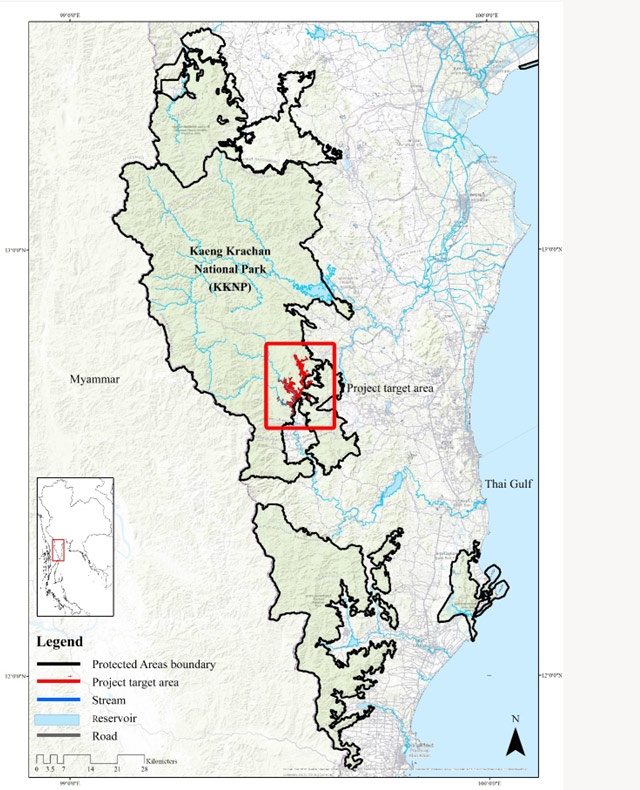
The project will focus on working closely with Indigenous people and local communities to facilitate connections to key policymakers, provide access to critical technology and sustainability training, and highlight the expertise and experience of Indigenous peoples and local communities — so they can better protect their territories and secure the benefits that these lands provide to all of humanity.
The area is dominated by semi-evergreen/dry evergreen and moist evergreen forests, with some mixed deciduous, montane and deciduous dipterocarp forests. The terrain includes upper watersheds, riparian zones and agricultural areas.
Restore 275,000 trees, sequester 5,500 tonnes of CO2* and restore 165 hectares of land.
Agroforestry and multi-species agriculture: the intentional mixing and cultivation of woody perennial species (trees, shrubs, bamboos) alongside agricultural crops in a way that improves the agricultural productivity and ecological function of a site.
Tree planting: the planting of seedlings over an area with little or no forest canopy to meet specific goals.
Enrichment planting: the strategic reestablishment of key tree species in a forest that is ecologically degraded due to lack of certain species, without which the forest is unable to naturally sustain itself.
Tree islands: a form of enrichment planting where trees are planted in groups, clusters or even rows, dispersed throughout an area, to encourage natural regeneration in the matrix between the non-planted areas.
Assisted natural regeneration: the exclusion of threats (i.e., grazing, fire, invasive plants) that had previously prevented the natural regrowth of a forested area from seeds already present in the soil, or from natural seed dispersal from nearby trees; this does not include any active tree planting.
A mix of native and non-invasive species, including native species for rehabilitation and enrichment planting, high-value native and non-invasive species for agroforestry, and trees and herbs for local food systems:
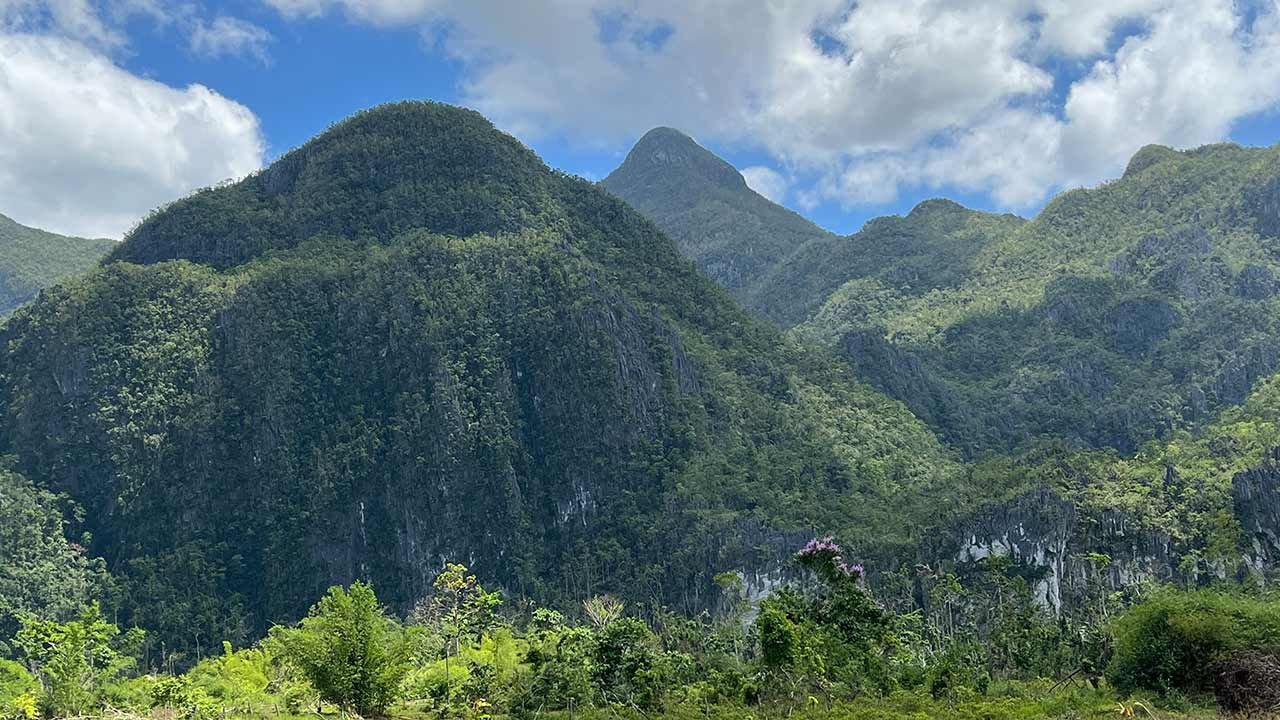
On behalf of the Priceless Planet Coalition, Conservation International is restoring forests in Palawan to provide economic benefits to local communities, including Indigenous communities. It is also working within the critical habitat and protected area, including the watershed areas that provide water and other ecosystem services to the local community and tourism services to visitors of the Puerto Princesa Subterranean River National Park.
The Palawan, Philippines, site is home to one of many projects across six continents.
Please accept functional cookies to watch this video.
Hilly to mountainous.
Restore 417,500 trees, sequester 8,350 tonnes of CO2* and restore 575 hectares of land.
Assisted natural regeneration: the exclusion of threats (i.e., grazing, fire, invasive plants) that had previously prevented the natural regrowth of a forested area from seeds already present in the soil, or from natural seed dispersal from nearby trees. This does not include any active tree planting.
Agroforestry: the intentional mixing and cultivation of woody perennial species (trees, shrubs, bamboos) alongside agricultural crops in a way that improves the agricultural productivity and ecological function of a site.
Native tree species such as:
Fruit tree species such as:
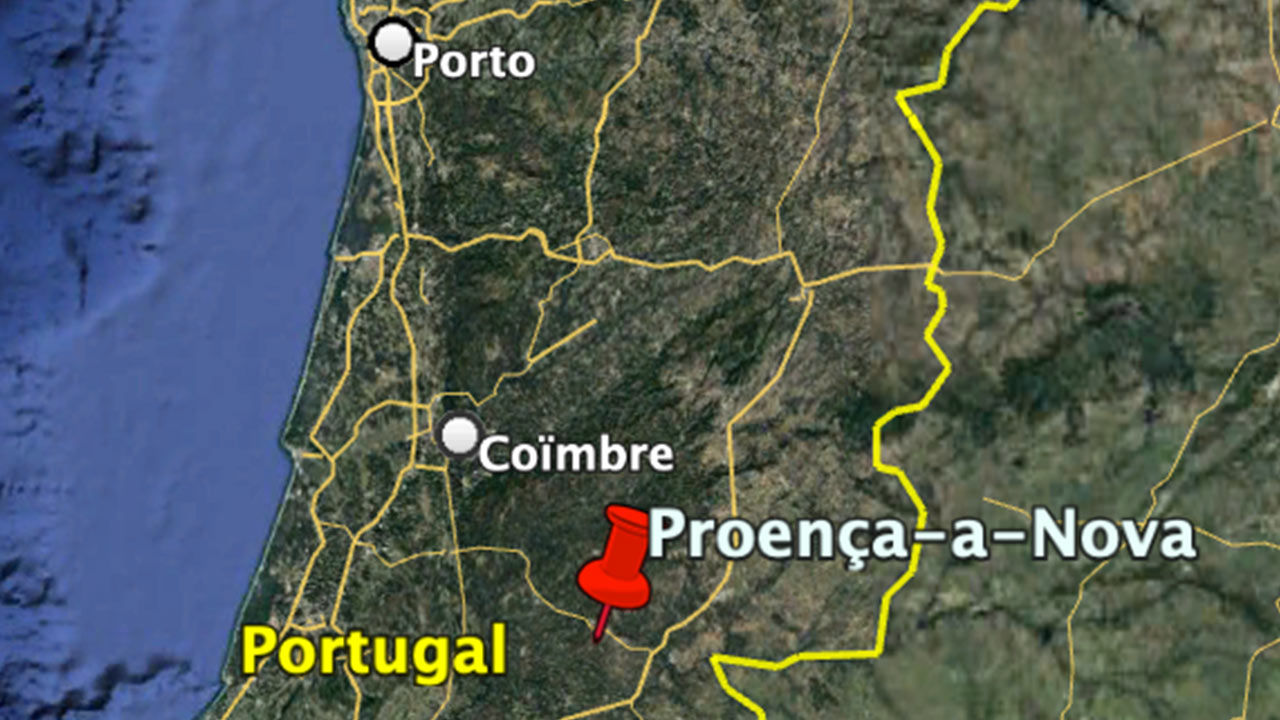
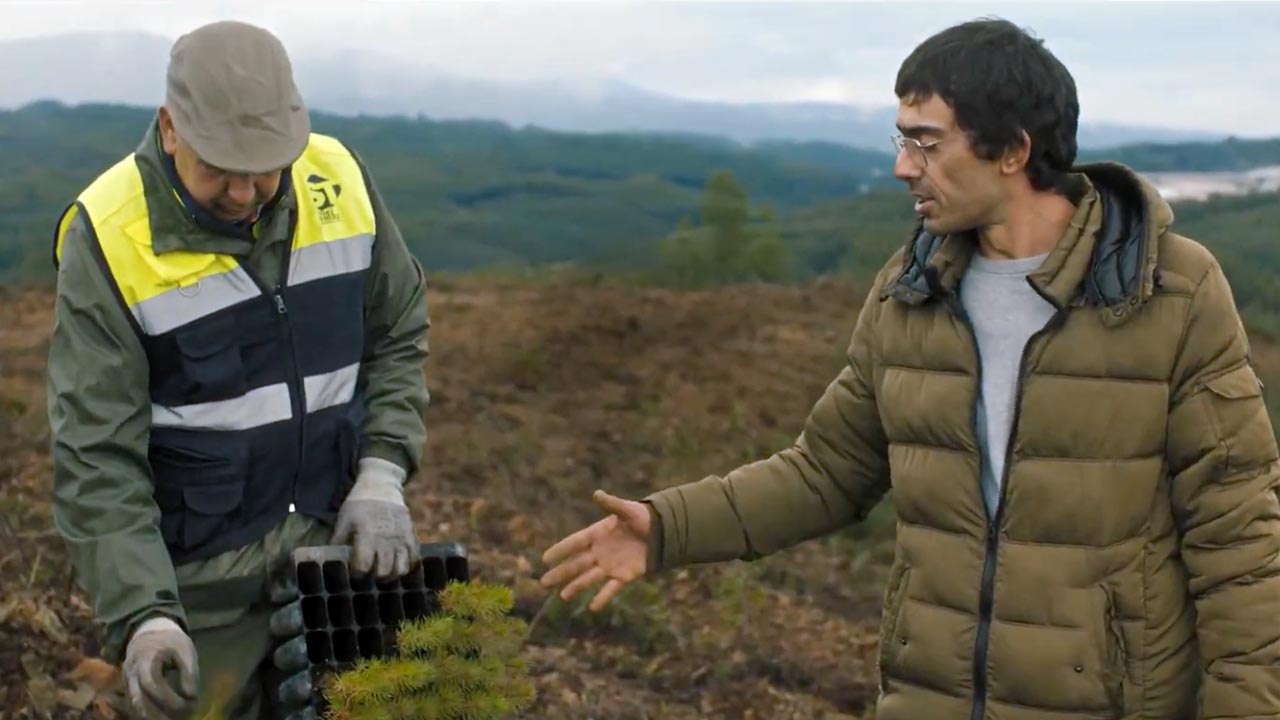
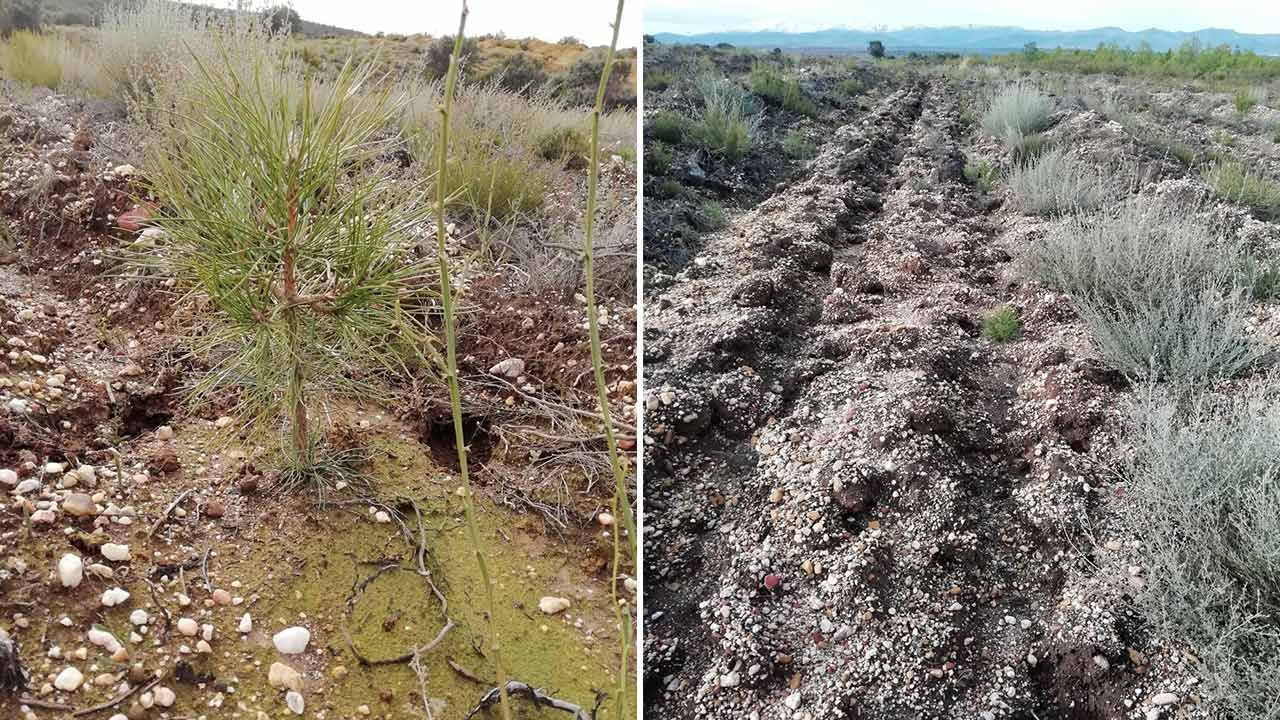
Reforest’Action is partnering with Conservation International to restore the damaged landscapes affected by hazards, through reforestation of dying forests or the creation of new ones, in an effort to enhance their multiple environmental, social and economic benefits over the long term.
The Proença-a-Nova, Portugal, site is home to one of many projects across six continents.
Please accept functional cookies to watch this video.
Restore 60,000 trees in France, 50,400 trees in Spain, 39,600 trees in Portugal, sequester 3,000 tonnes of CO2* and restore 175 hectares of land.
France
Active tree planting: the planting of seedlings over an area with little or no forest canopy to meet specific goals.
Assisted natural regeneration: the exclusion of threats (i.e., grazing, fire, invasive plants) that had previously prevented the natural regrowth of a forested area from seeds already present in the soil or from natural seed dispersal from nearby trees.
Spain
Active tree planting: the planting of seedlings over an area with little or no forest canopy to meet specific goals.
Portugal
Active tree planting: the planting of seedlings over an area with little or no forest canopy to meet specific goals.
France:
Spain:
Portugal:
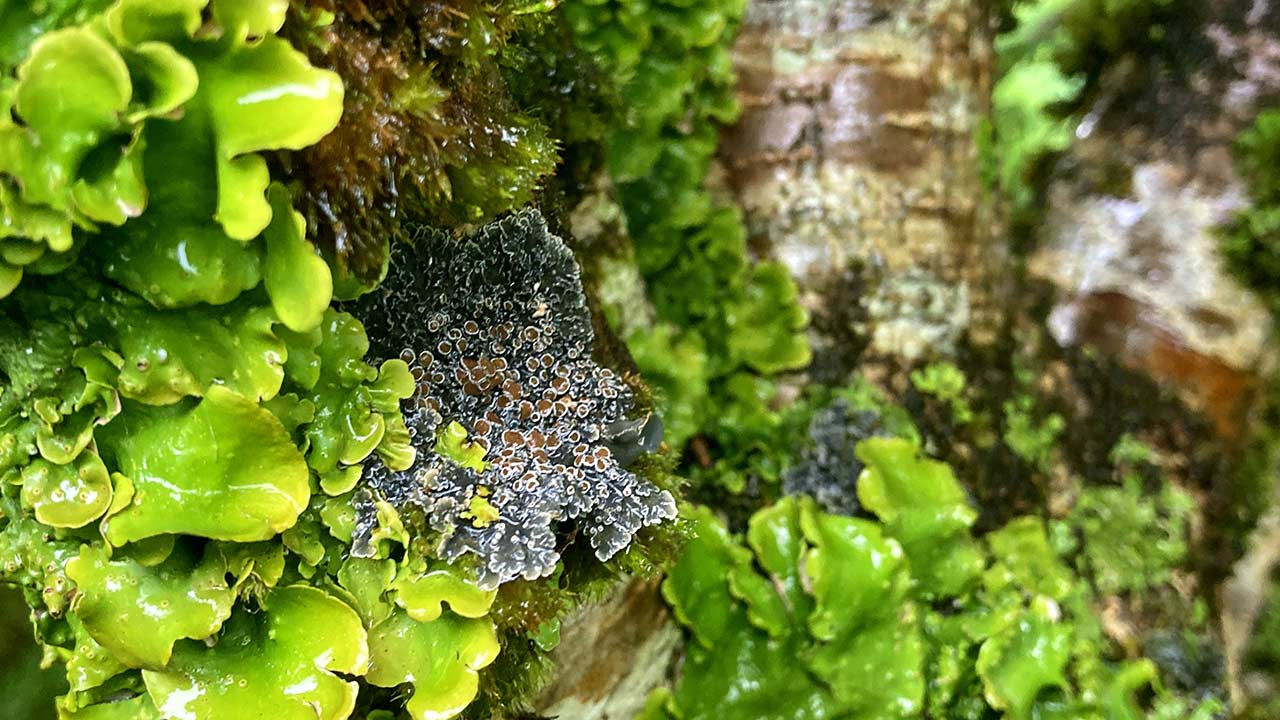
In Scotland, Conservation International is partnering with Argyll and the Isles Coast and Countryside Trust to restore, expand or connect existing pockets of remnant Scottish rainforest habitat found in Argyll. Restoring these types of diverse, long-standing native woodlands can play a key role in tackling the twin biodiversity and climate crisis the planet faces and help to maintain the connection between Argyll’s rainforest and the communities who visit, live and work in it.
Argyll and Bute’s rainforest, known as temperate rainforest, consists of an increasingly rare and threatened habitat of ancient native woodland, open glades, boulders, rocky cliffs and river gorges that form a backdrop for some of the best scenery in Argyll and Bute. The hyper-oceanic climate, gentle slopes, deeply penetrating sea lochs and island network of Argyll and Bute provide perfect growing conditions for the lower or nonvascular plants that define this diverse and unique temperate rainforest habitat.
Restore 100,000 trees, sequester 2,000 tonnes of CO2* and restore 55 hectares of land.
Tree planting: the planting of seedlings over an area with little or no forest canopy to meet specific goals.
Assisted natural regeneration: the exclusion of threats (i.e., grazing, fire, invasive plants) that had previously prevented the natural regrowth of a forested area from seeds already present in the soil, or from natural seed dispersal from nearby trees. This does not include any active tree planting.
Preliminary list includes:
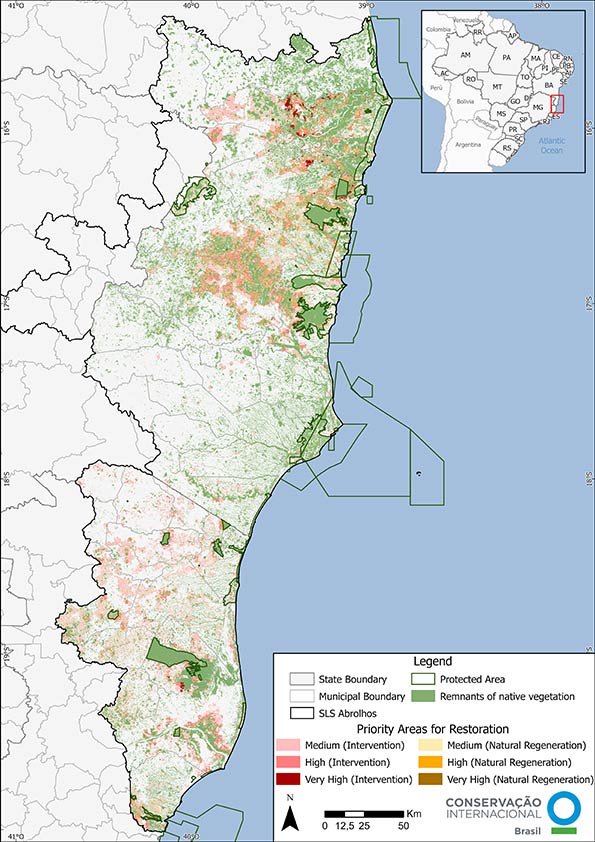
Situated in a global biodiversity hotspot and UNESCO World Natural Heritage Site, the Atlantic Forest biome is one of the most critical biodiversity conservation hotspots in the world. The Abrolhos land and seascape is a global forest restoration priority area due to the optimization of carbon sequestration potential, biodiversity gains and lower risks of fires, and will be the first large-scale restoration effort to maximize climate, biodiversity and community benefits. This project will play an instrumental role in connecting protected areas, where most of the remaining forest remnants lie.
Restore 8,750,000 trees, sequester 175,000 tonnes of CO2* and restore 1,980 hectares of land.
Active tree planting the planting of seedlings over an area with little or no forest canopy to meet specific goals.
Assisted natural regeneration the exclusion of threats (i.e., grazing, fire, invasive plants) that had previously prevented the natural regrowth of a forested area from seeds already present in the soil or from natural seed dispersal from nearby trees.
Applied nucleation/tree islands a form of enrichment planting where trees are planted in groups, clusters or even rows, dispersed throughout an area, to encourage natural regeneration in the matrix between the non-planted areas.
A diverse group of 37 species of native trees, such as:
Protecting and restoring the Amazon and the Atlantic forests in Brazil will not only have an enormous impact on climate but will also help to safeguard the greatest biodiversity and freshwater reserves on Earth.
The Amazon has already lost almost 20% of its original forest cover. The Atlantic forest, a biodiversity hotspot, has lost more than 80% of its cover since European colonization. Scientists warn that if deforestation continues, the region can cross a tipping point, resulting in harsh climate impacts across the area and entire country.
In both biomes, forest restoration represents a new and green paradigm of development. Beyond benefitting the climate and environment, forest restoration efforts will engage and directly benefit local communities and promote a local sustainable economy through the restoration chain. To achieve this, various methods will be adapted to different regions and realities with an aim to maximize carbon sequestration, biodiversity and social benefits.
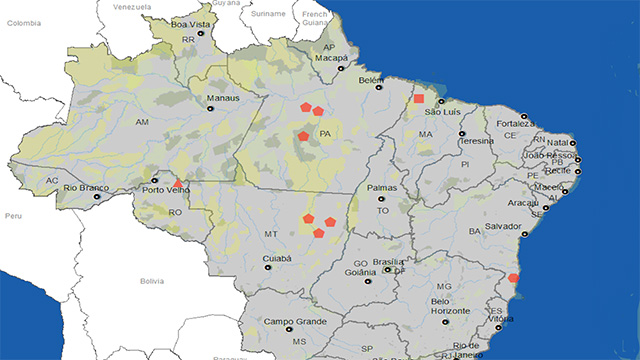
In the Amazon biome, the project will take place in four regions:
Restore 2,000,000 trees, sequester 40,000 tonnes of CO2* and restore 1,054 hectares of land.
Tree planting: the planting of seedlings over an area with little or no forest canopy to meet specific goals.
Direct seeding: the active dispersal of seeds (preferably ecologically diverse, native seed mixes) that will allow for natural regeneration to occur, provided the area is protected from disturbances. This is a differentiated category from planting young trees.
Assisted natural regeneration: the exclusion of threats (i.e. grazing, fire, invasive plants) that had previously prevented the natural regrowth of a forested area from seeds already present in the soil, or from natural seed dispersal from nearby trees. This does not include any active tree planting.
Applied nucleation: a form of enrichment planting where trees are planted in groups, clusters or even rows, dispersed throughout an area, to encourage natural regeneration in the matrix between the non-planted areas.
Agroforestry: the intentional mixing and cultivation of woody perennial species (trees, shrubs, bamboos) alongside agricultural crops in a way that improves the agricultural productivity and ecological function of a site.
Silvopasture: the intentional mixing and cultivation of woody perennial species (trees, shrubs, bamboos) on pasture land where tree cover was absent in a way that improves the agricultural productivity and ecological function of a site for continued use as pasture.
More than 150 native tree species and at least 17 native species of sociocultural value for non-timber forest products, including:
The Sierra Nevada de Santa Marta represents the majority of all the biomes of Colombia and is characterized with high diversity and endemism with several irreplaceable ecosystems. Conservation International, in a joint effort with Indigenous communities, will restore 1,000 hectares that have suffered a strong colonization process with extensive livestock farming, resulting in deforestation and land degradation. The aim is to enhance adaptation and resilience to climate change, restore critical ecosystems to a variety of species of fauna and flora, and reduce forest fragmentation by gradually reestablishing environmental conditions of forest remnants and alterations in biological interactions. The project also aims to reduce the loss of tree species, ecosystem functional types and landscape hectares.
The Sierra Nevada, Colombia, site is home to one of many projects across six continents.
Restore 3,207,000 trees, sequester 64,140 tonnes of CO2* and restore 2,850 hectares of land.
Please accept functional cookies to watch this video.
Tree planting: the planting of seedlings over an area with little or no forest canopy to meet specific goals.
Enrichment planting: the strategic reestablishment of key tree species in a forest that is ecologically degraded due to lack of certain species, without which the forest is unable to naturally sustain itself.
Over 113 species including:
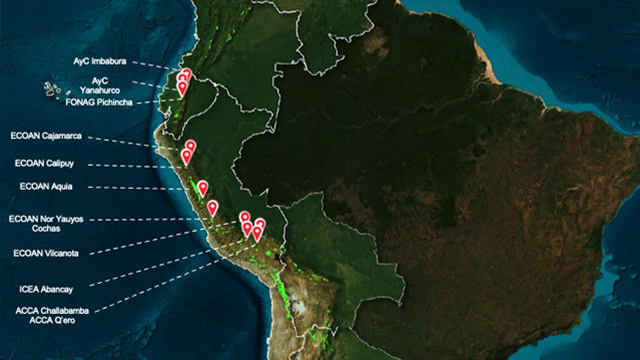
Through their Priceless Planet Coalition project they are a step closer to achieving that goal, as they will be restoring 360 hectares across Ecuador and Peru.
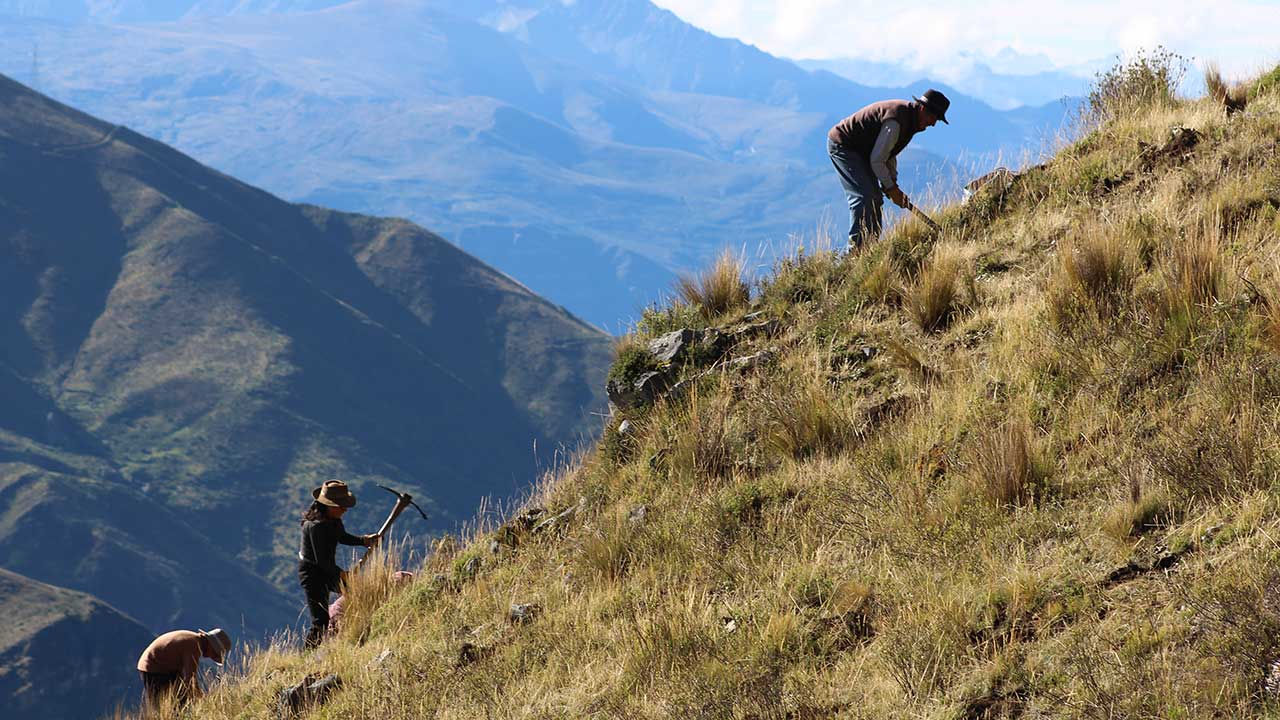
The terrain consists of steep, rocky slopes at high altitude (2,500–4,500 m).
Restore 1,114,471 trees, sequester 22,289 tonnes of CO2* and restore 401 hectares of land.
Tree planting: the planting of seedlings over an area with little or no forest canopy to meet specific goals.
All native, high Andean species — approximately 80% Polylepis species and 20% other high Andean species:
The dense forests of Guatemala seem to go on forever. After all, the country’s name means “the place of many trees” in the Nahuatl language. Forests cover 33% of the land, and Guatemala is home to the world-famous Maya Biosphere Reserve, where Indigenous communities protect and sustainably manage about 450,000 hectares of forest ecosystems.
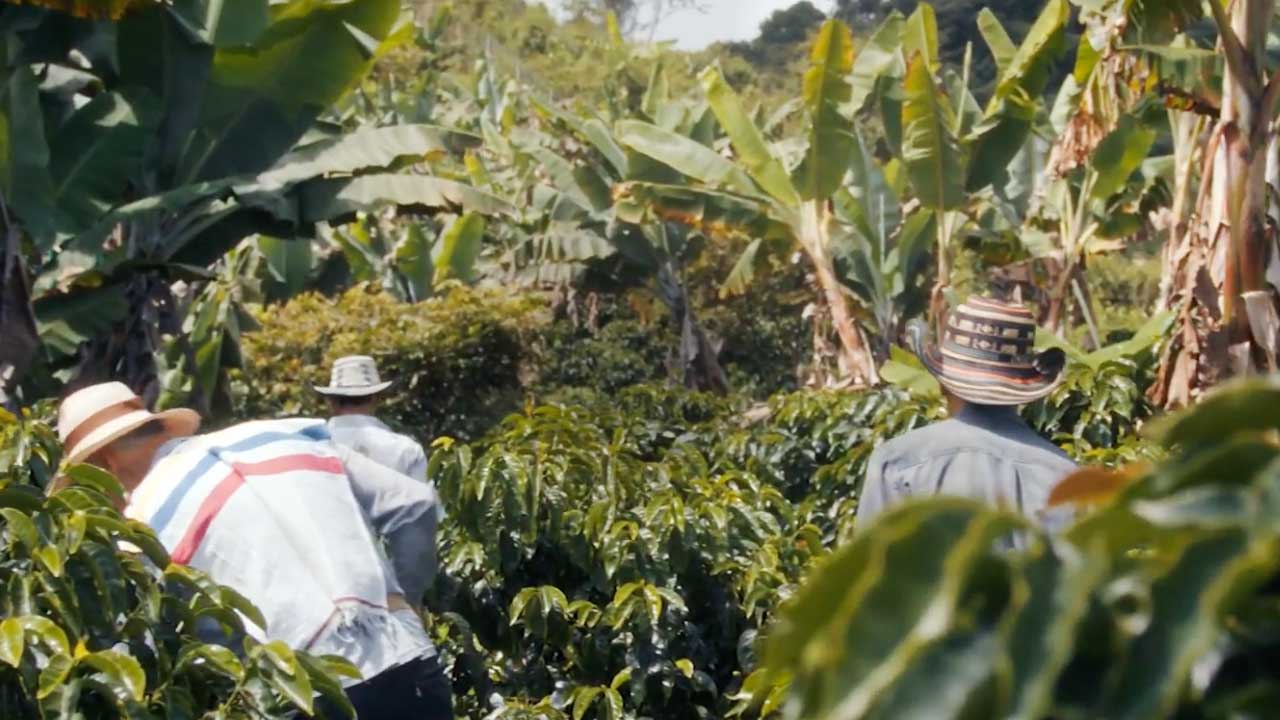
This project is centered around the city of Cobán and will operate throughout the northern part of Guatemala within the Las Verapaces region. Geographically, the terrain is mountainous, made up of valleys, plains and steep terrain. The cooperatives in this area cover over 5,000 hectares of land and are the prime producer of many profitable crops, including coffee and cardamom, that have high market value.
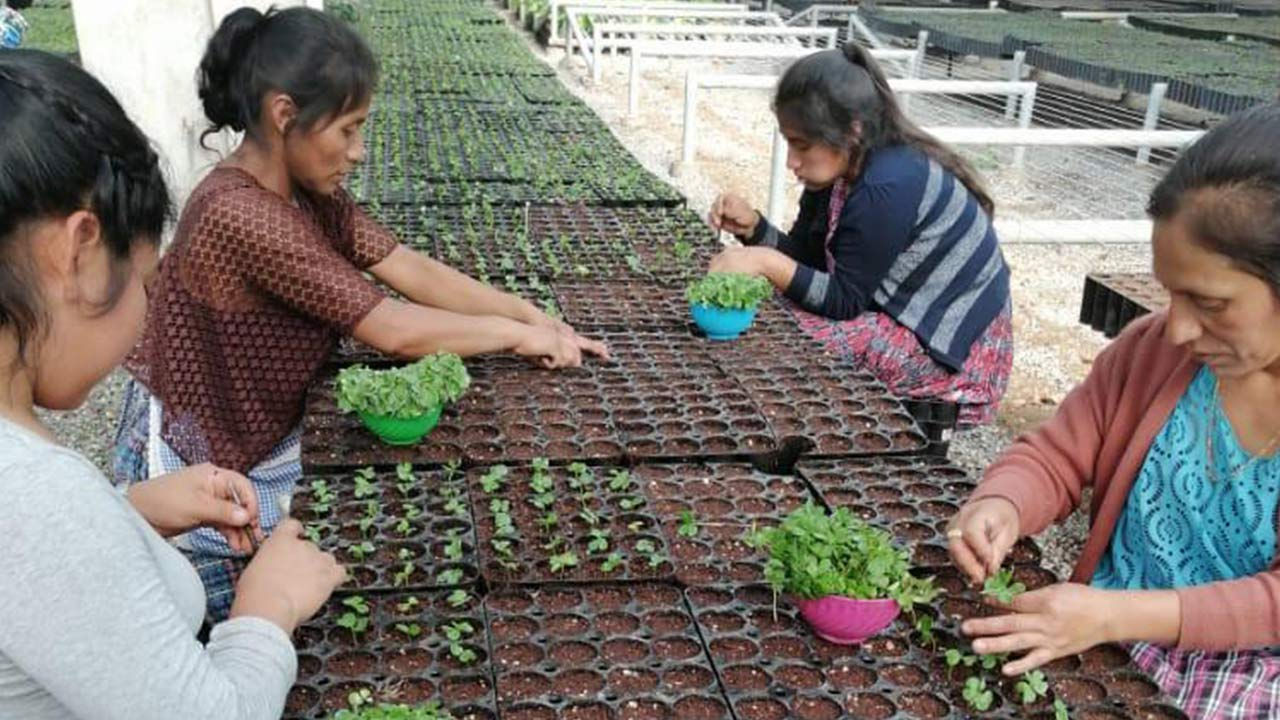
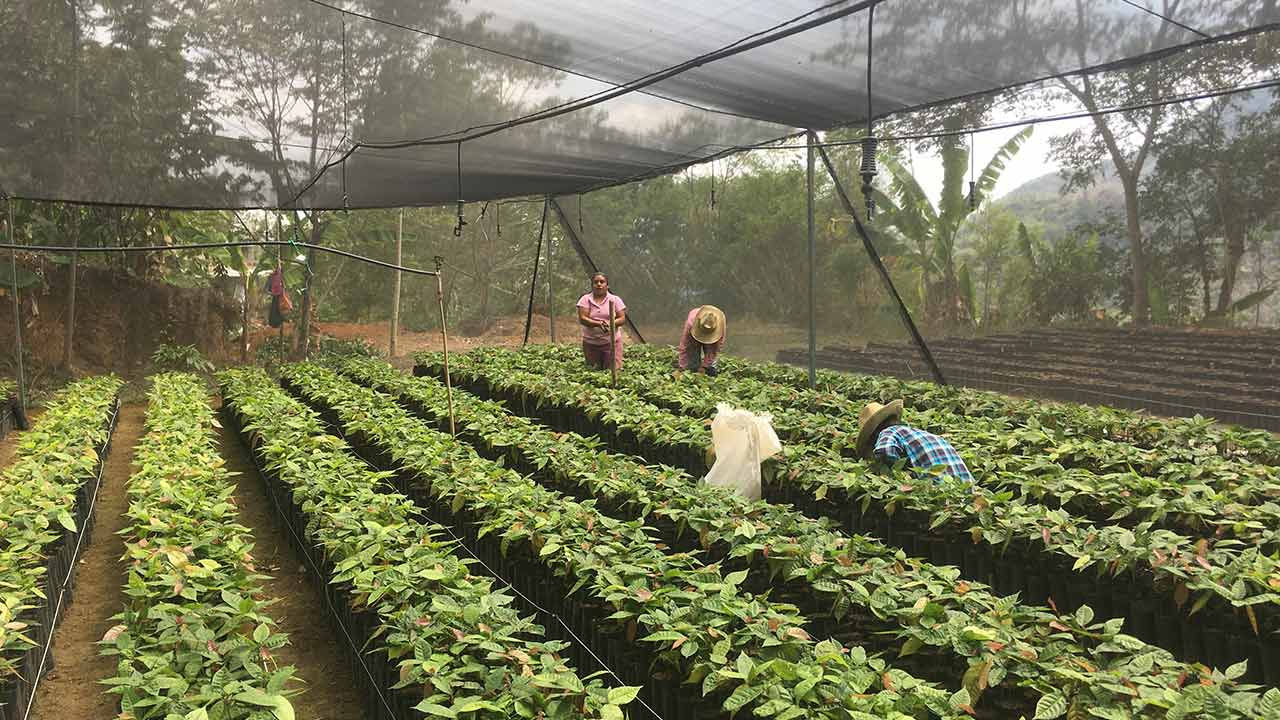
The area in which the Federation of Cooperatives of the Verapaces (FEDECOVERA) operates has been degraded in recent years, and much of the land is currently dry pastureland with limited crop-growing potential. By embracing agroforestry, trees and crops will regreen the planting sites, increase crop yields and reshape the landscape for the better.
Restore 500,000 trees, sequester 10,000 tonnes of CO2* and restore 670 hectares of land.
Agroforestry: the intentional mixing and cultivation of woody perennial species (trees, shrubs, bamboos) alongside agricultural crops in a way that improves the agricultural productivity and ecological function of a site.
Tree planting: the planting of seedlings over an area with little or no forest canopy to meet specific goals.
Most of the tree species that will be used for this project are native to Guatemala, and FEDECOVERA will acquire seeds from the National Forest Institute (INAB).
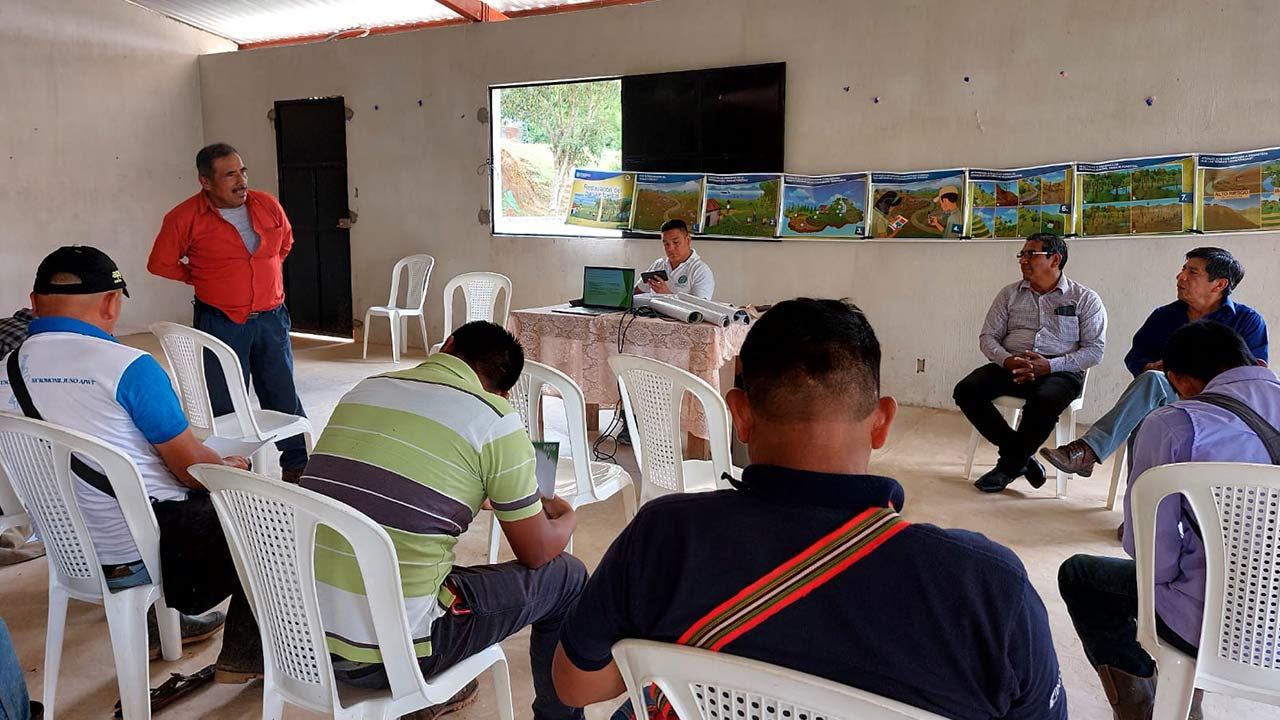
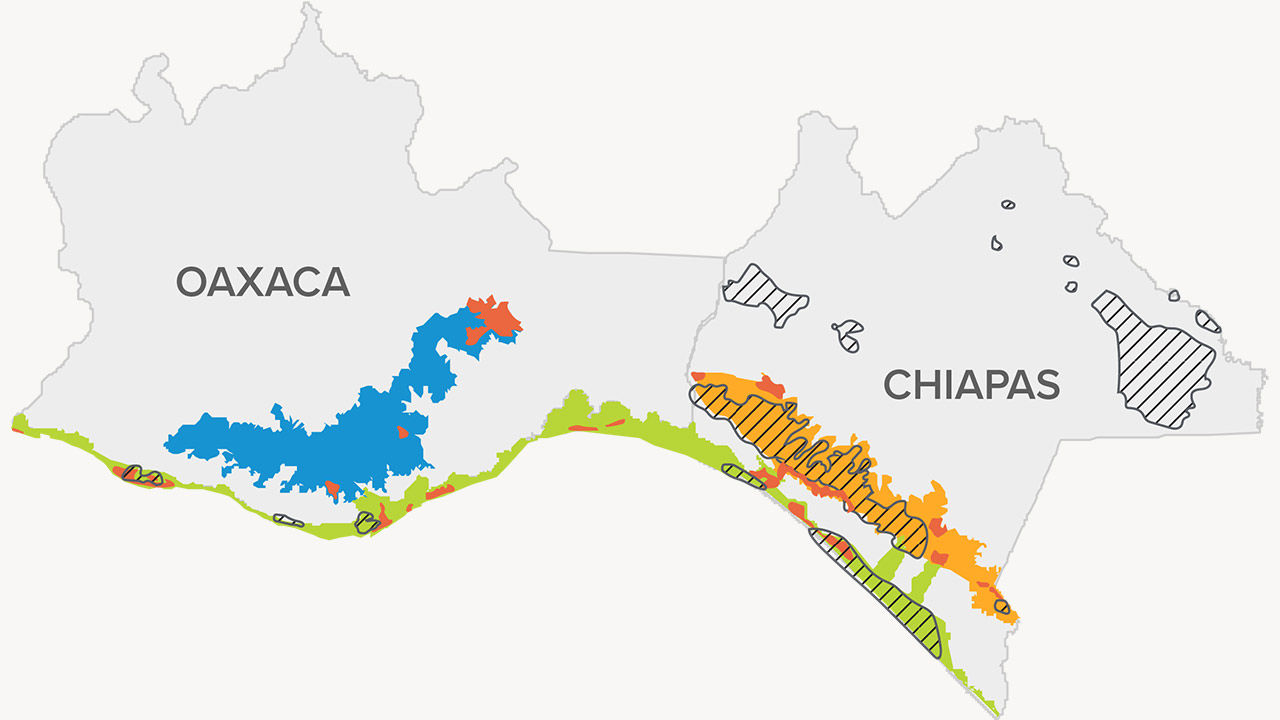
The Oaxaca-Chiapas flagship landscape, localized in the southeast of Mexico, contains 70% of the biodiversity of North America — ranking it among the five most important regions in the world for its mega-diversity. The three landscapes (Sierra Madre, Sierra Sur and Oaxaca-Chiapas coastal landscapes) comprise 2,618,250 ha, in which 17,366 ha are identified as a restoration opportunity under the Priceless Planet Coalition™ program. This will contribute to the conservation of at least ten Protected Natural Areas and preserve fifteen priority species of animals and plants facing varying degrees of threat, through the reforestation of buffer areas and the establishment of sustainable production systems.
The Oaxaca, Mexico, site is home to one of many projects across six continents.
Restore 7,650,000 trees, sequester 153,000 tonnes of CO2* and restore 12,273 hectares of land.
Please accept functional cookies to watch this video.
Active tree planting: the planting of seedlings over an area with little or no forest canopy to meet specific goals.
Assisted natural regeneration: the exclusion of threats (i.e., grazing, fire, invasive plants) that had previously prevented the natural regrowth of a forested area from seeds already present in the soil or from natural seed dispersal from nearby trees.
Enrichment planting: the strategic reestablishment of key tree species in a forest that is ecologically degraded due to lack of certain species, without which the forest is unable to naturally sustain itself.
Agroforestry: the intentional mixing and cultivation of woody perennial species (trees, shrubs, bamboos) alongside agricultural crops in a way that improves the agricultural productivity and ecological function of a site.
Silvopasture: the intentional mixing and cultivation of woody perennial species (trees, shrubs, bamboos) on pasture land where tree cover was absent in a way that improves the agricultural productivity and ecological function of a site for continued use as pasture.
Applied nucleation/tree islands: a form of enrichment planting where trees are planted in groups, clusters or even rows, dispersed throughout an area, to encourage natural regeneration in the matrix between the non-planted areas.
Tropical forests:
Coniferous forest:
Mesophilic forest:
Tropical dry forest:
Mangroves:
The highlands near Idiofa in the Democratic Republic of Congo (DRC) have suffered from severe deforestation. The overexploitation of natural resources in the region has led to the severe degradation of the soil and vegetation, which has made more than 1.5 million local people vulnerable to climate change and natural disasters. In total, more than 240,000 hectares of forests have been lost in the past 50 years.
The project will reinforce the fragmentated forests that protect the local rivers, including the Kasai, which marks the frontier with the large Congo Basin rainforest. The project area is characterized by a tropical and humid climate with a nine-month rainy season (from September to May), which is the best time for tree planting.
Restore 4,350,000 trees, sequester 87,000 tonnes of CO2* and restore 4,350 hectares of land.
Tree planting: the planting of seedlings over an area with little or no forest canopy to meet specific goals.
Assisted natural regeneration: the exclusion of threats (i.e., grazing, fire, invasive plants) that had previously prevented the natural regrowth of a forested area from seeds already present in the soil, or from natural seed dispersal from nearby trees. This does not include any active tree planting.
Agroforestry: the intentional mixing and cultivation of woody perennial species (trees, shrubs, bamboos) alongside agricultural crops in a way that improves the agricultural productivity and ecological function of a site.
Forest and landscape restoration is a key pillar within Kenya’s Nationally Determined Contributions to the Paris Agreement. As such, this project will be a major contributor to Kenya’s efforts to curb its emissions and capture carbon in its forests and agroforestry landscapes.
The resulting impact on local communities will be significant. Reforesting these important catchment areas can help to store more water within the soils, regulating its release into rivers and streams. The tree roots will also bind the soil along the river buffers, helping improve water quality downstream. Food production will be improved as well. This catchment restoration will create reliable sources of water, and the planting of a mix of high-value fruit trees will create crops that can be consumed locally and sold to markets.
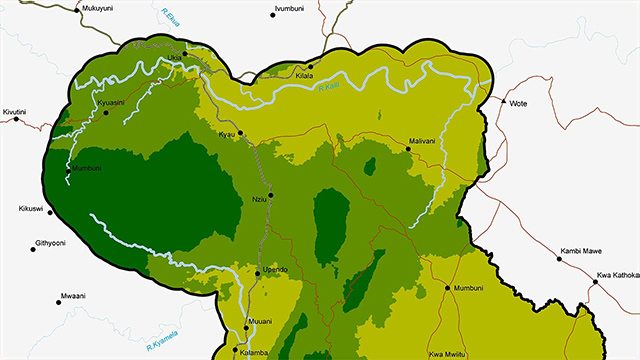
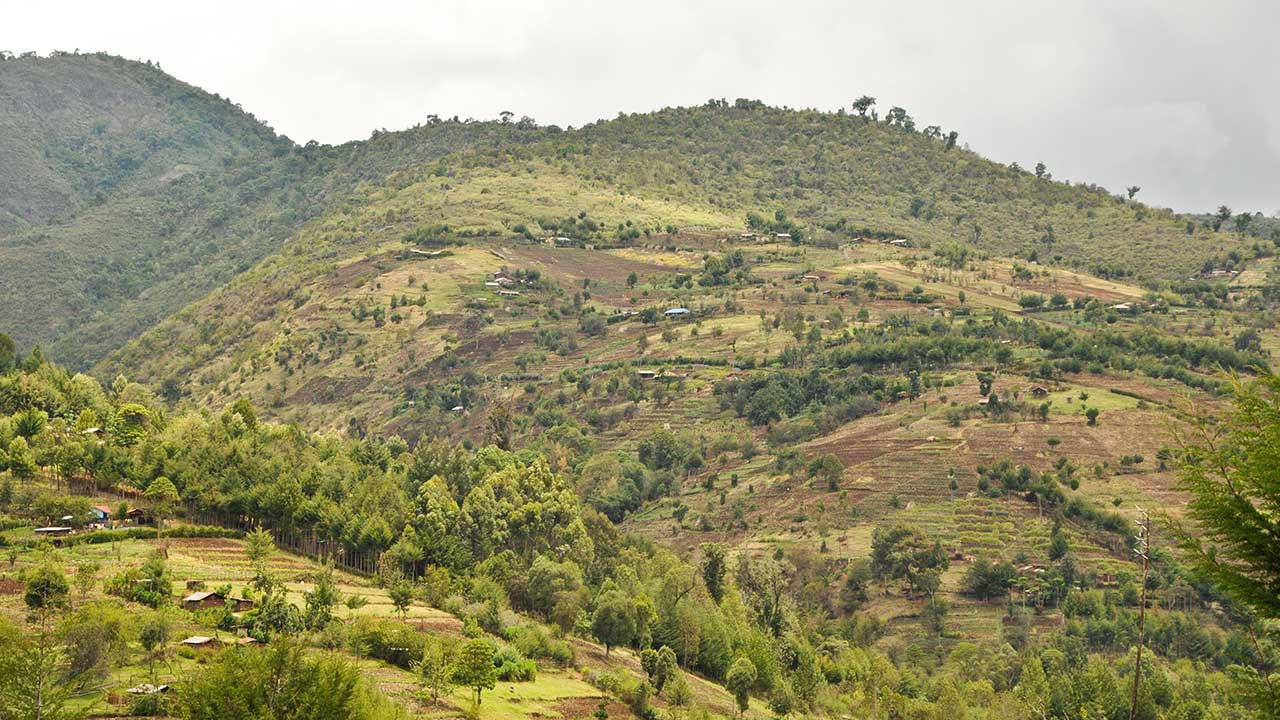
Located inland within Kenya’s semi-arid ecozone, the Makuli Nazaui landscape experiences severe droughts throughout the year. This leaves only two rainy seasons before which major tree planting activities can take place. Largely hilly with a mix of rocky and sandy soils, there are two larger hills/mountains where the Makuli and Nzaui forests reside (parts of which are designated as officially protected areas).
The lower lands in between the forested hills are dominated by cropland with the flattest and driest areas being used primarily for grazing livestock.
Please accept functional cookies to watch this video.
Restore 890,400 trees, sequester 17,808 tonnes of CO2* and restore 3,545 hectares of land.
Tree planting: the planting of seedlings over an area with little or no forest canopy to meet specific goals.
Enrichment planting: the strategic reestablishment of key tree species in a forest that is ecologically degraded due to lack of certain species, without which the forest is unable to naturally sustain itself.
Assisted natural regeneration: the exclusion of threats (i.e. grazing, fire, invasive plants) that had previously prevented the natural regrowth of a forested area from seeds already present in the soil, or from natural seed dispersal from nearby trees. This does not include any active tree planting.
Agroforestry: the intentional mixing and cultivation of woody perennial species (trees, shrubs, bamboos) alongside agricultural crops in a way that improves the agricultural productivity and ecological function of a site.
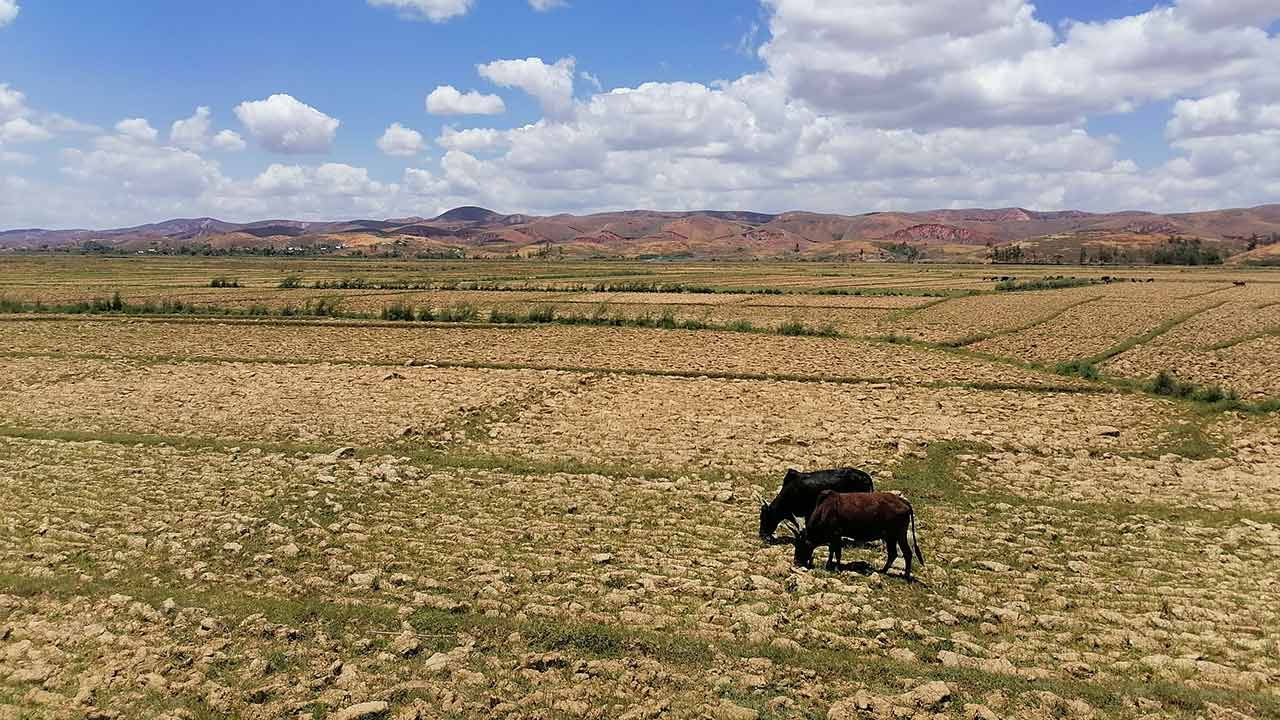
Lake Alaotra is the largest lake in Madagascar, a Ramsar site whose watershed provides water to the island’s main rice-growing region and contributes to the production of freshwater fish. The flagship landscape for restoration is neighboring the Lake Alaotra region and contiguous to the Zahamena and Corridor Ankeniheny-Zahamena protected areas. There is no restoration program in Madagascar at this scale that combines diverse cost-effective restoration strategies backed by local knowledge and science. Led by local stakeholders, implementation of this flagship project will contribute to climate mitigation and adaptation and benefit the local economy and biodiversity.
Freshwater, watershed and wetland
Restore 9,000,000 trees, sequester 180,000 tonnes of CO2* and restore 3,000 hectares of land.
Active tree planting: the planting of seedlings over an area with little or no forest canopy to meet specific goals.
Assisted natural regeneration: the exclusion of threats (i.e., grazing, fire, invasive plants) that had previously prevented the natural regrowth of a forested area from seeds already present in the soil or from natural seed dispersal from nearby trees.
Applied nucleation/tree islands: a form of enrichment planting where trees are planted in groups, clusters or even rows, dispersed throughout an area, to encourage natural regeneration in the matrix between the non-planted areas.
Agroforestry: the intentional mixing and cultivation of woody perennial species (trees, shrubs, bamboos) alongside agricultural crops in a way that improves the agricultural productivity and ecological function of a site.
Direct seeding: the active dispersal of seeds (preferably ecologically diverse, native seed mixes) that will allow for natural regeneration to occur, provided the area is protected from disturbances. This is a differentiated category from planting young trees.
Native species:
ANR species:
Direct seeding species:
Enrichment planting species:
Agroforestry species:
The Mzimba District, in the Northern Region of Malawi, has not escaped the extensive deforestation that the country has endured since the turn of the century. When trees are cut down, the roots that hold soil in place go with them. Every time the heavy rains come, erosion follows and healthy soil is washed from the land, threatening food security, housing and infrastructure.
This project will have a significant impact on the local community in addition to safeguarding the soil that provides a habitat for biodiversity. In the 2020-2021 planting season alone, partner Wells for Zoë helped rural communities plant 1.7 million indigenous tree seedlings, while also directly planting around 1.5 million seeds. Founded in 2005, the organization has also been a long-standing advocate and ally for women’s empowerment in the region, offering financial and academic support for girl students attending the local Enyezini Secondary School.
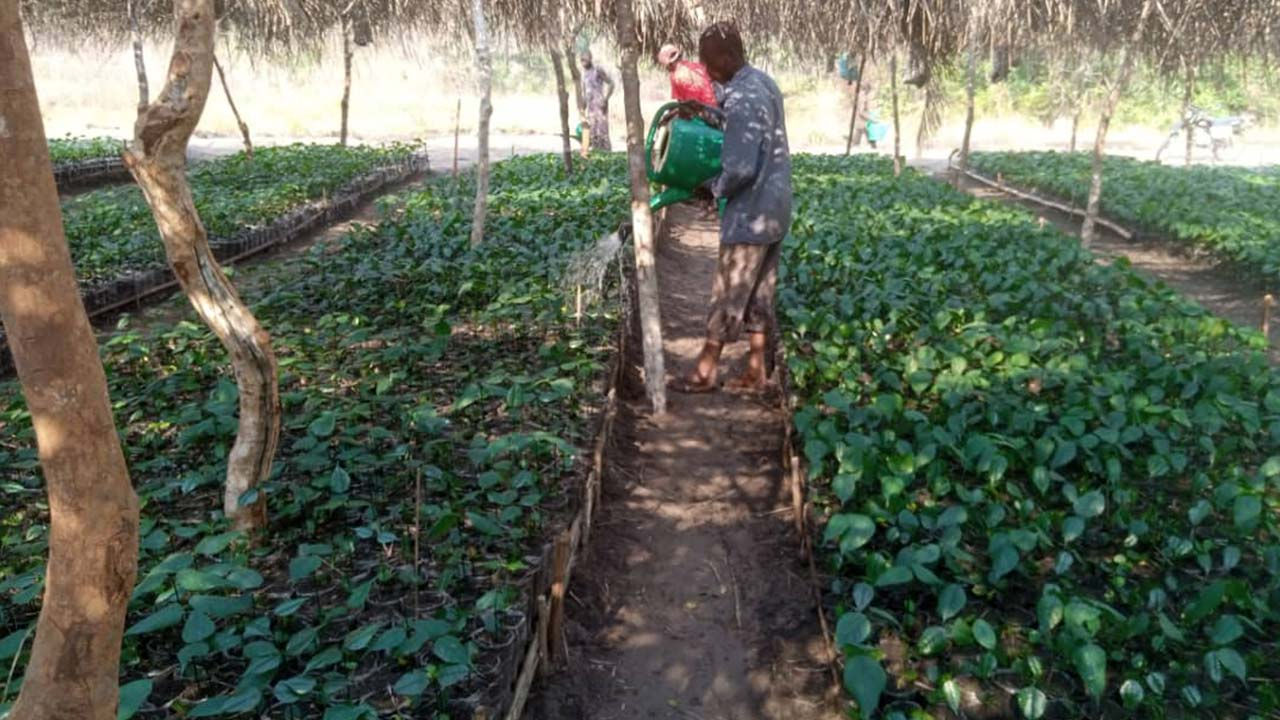
Through this project, a community nursery will be set up on school grounds, and local women will be the biggest beneficiaries of the revenue created from gathering and selling forest products like fruits, mushrooms and traditional medicines. With the Malawian government taking a strong stance on deforestation — in 2017 it became one of the first African countries to develop a National Restoration Plan — this project will be a welcome addition to the country and region’s efforts to combat environmental degradation.
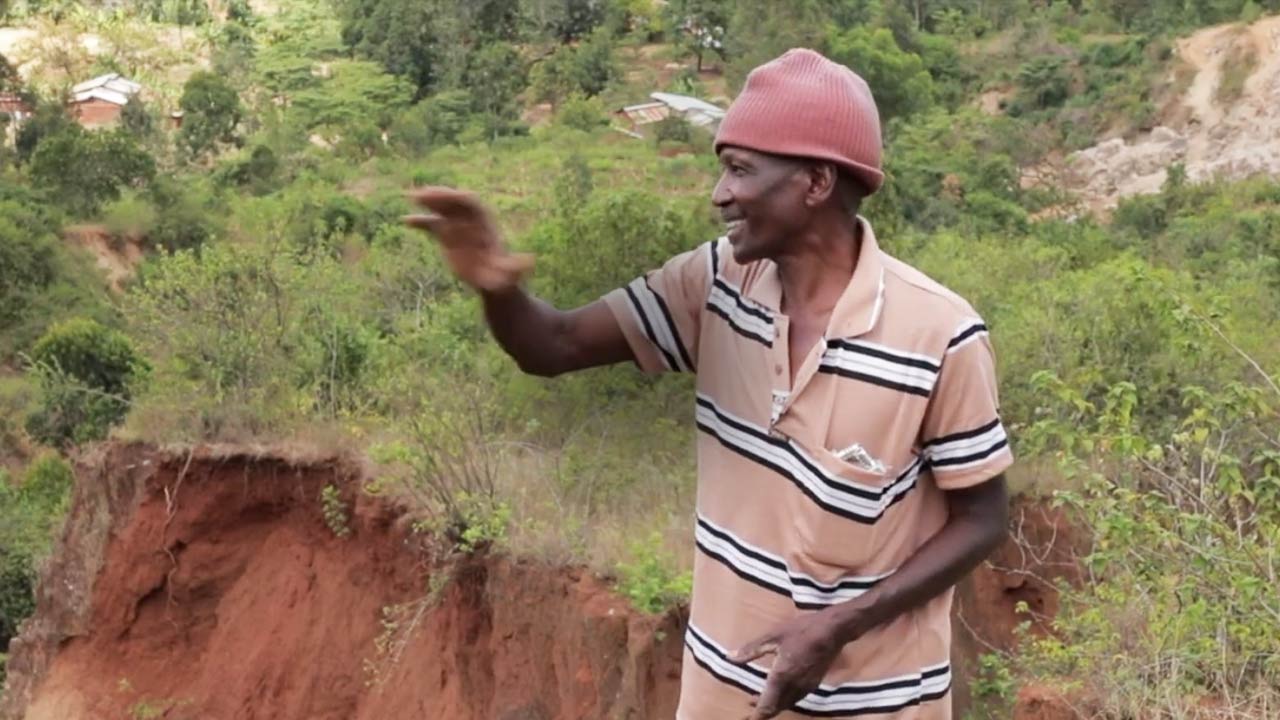
Enyezini is in the Northern Region district of Mzimba. Its characteristic Miombo woodland grows on hills and rocky outcrops. The landscape features two distinct seasons: the cold and dry period, lasting from May to the end of October, and the hot and rainy period, lasting from December to April. Geographically, the area is home to Jenjewe Hill mountain, which features distinctive boulder formations at its summit. The wider landscape is a hilly terrain with widespread erosion problems. Deep gullies expand throughout the rainy season, becoming a major impediment for both livestock and people.
Restore 5,101,877 trees, sequester 95,000 tonnes of CO2* and restore 2,500 hectares of land.
Tree planting: the planting of seedlings over an area with little or no forest canopy to meet specific goals.
Assisted natural regeneration: the exclusion of threats (i.e., grazing, fire, invasive plants) that had previously prevented the natural regrowth of a forested area from seeds already present in the soil, or from natural seed dispersal from nearby trees. This does not include any active tree planting.
Riparian restoration: specific interventions in the hydrological flows and vegetative cover to improve the ecological function of a degraded wetland or riparian area.
Indigenous forest trees:
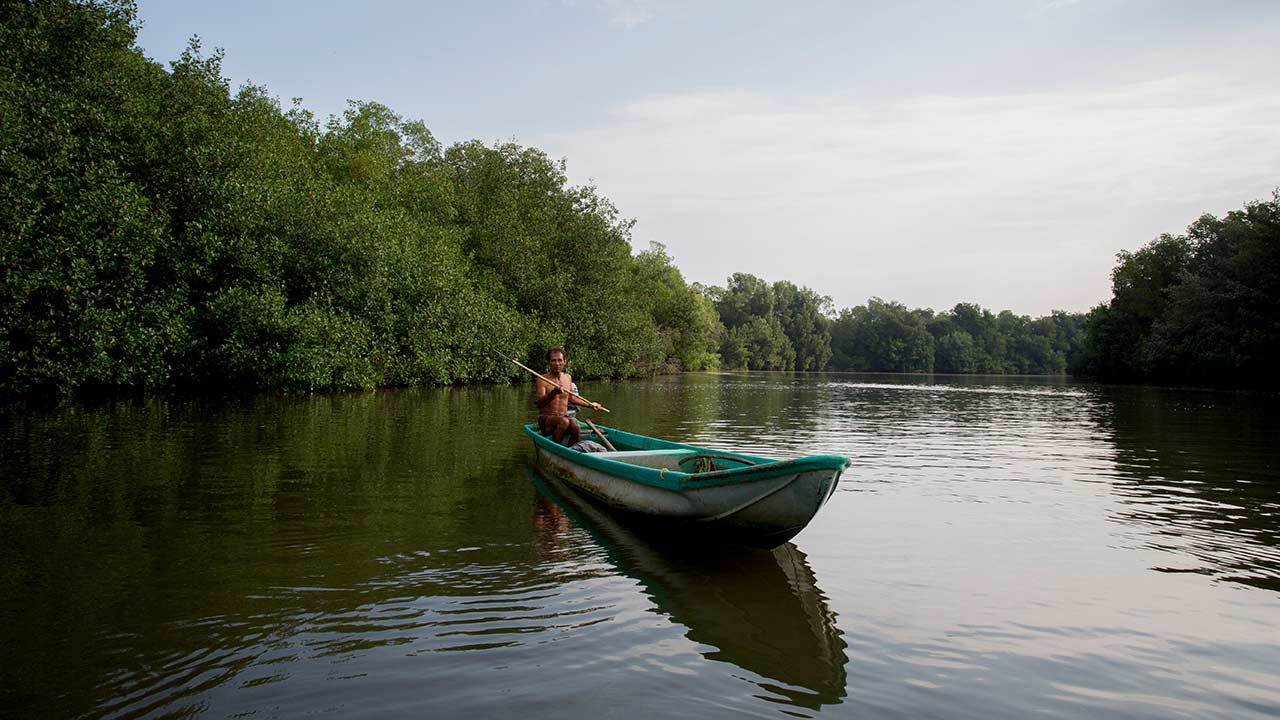
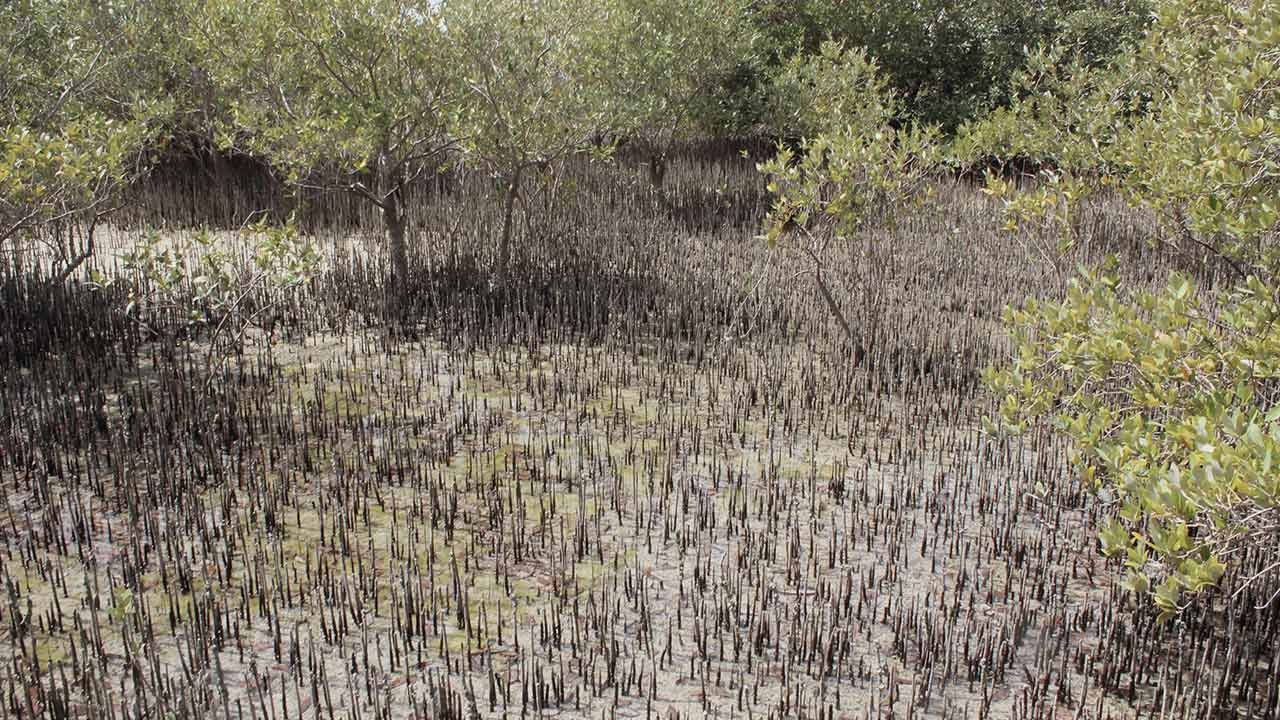
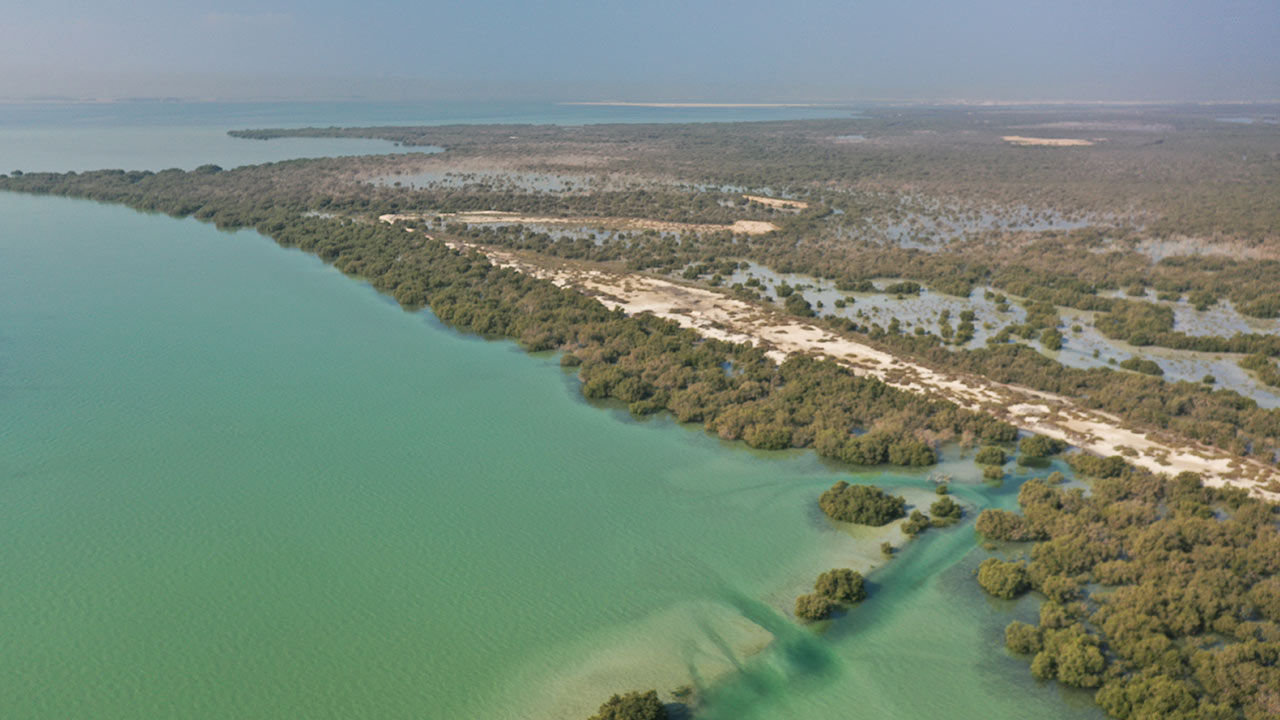
Emirates Nature, in association with WWF, aims to regenerate mangrove ecosystems through the Priceless Planet Coalition implemented by Mastercard in collaboration with Conservation International and the World Resources Institute. The project’s goal is to restore approximately 10 hectares of mangrove and associated coastal ecosystems in the Northern Emirates over the next two to six years.
Coastal blue carbon ecosystems — such as mangroves — can help reduce the risks and impacts of climate change while providing multiple co-benefits: they offer critical habitats for biodiversity, enhance local fisheries production and protect coastal communities from erosion and storms. Yet mangroves face many threats, including deforestation, coastal development, pollution and climate change.
Coastal seascape, encompassing a variety of habitats, including mangroves, seagrass and mudflats.
Restore 50,000 trees, sequester 1,000 tonnes of CO2* and restore 10 hectares of land.
Tree planting: the planting of seedlings over an area with little or no forest canopy to meet specific goals.
Assisted natural regeneration: the exclusion of threats (i.e., grazing, fire, invasive plants) that had previously prevented the natural regrowth of a forested area from seeds already present in the soil, or from natural seed dispersal from nearby trees. This does not include any active tree planting.
Mangrove tree restoration: specific interventions in the hydrological flows and/or vegetative cover to create or enhance the ecological function of a degraded mangrove tree site.
The most common and dominant mangrove species in the UAE is the gray or white mangrove (Avicennia marina).
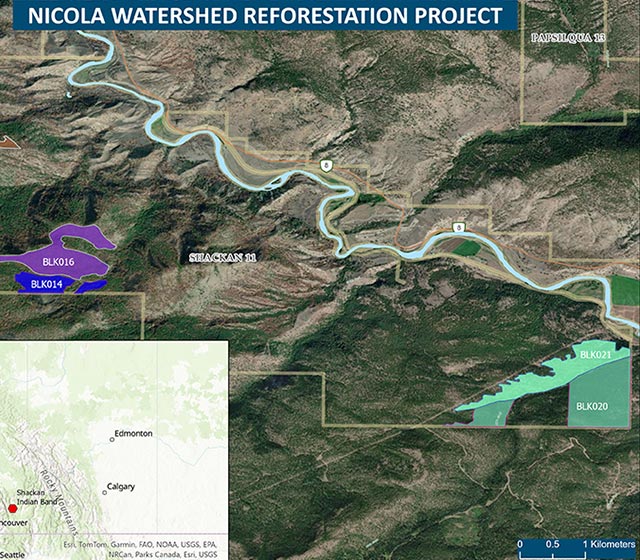
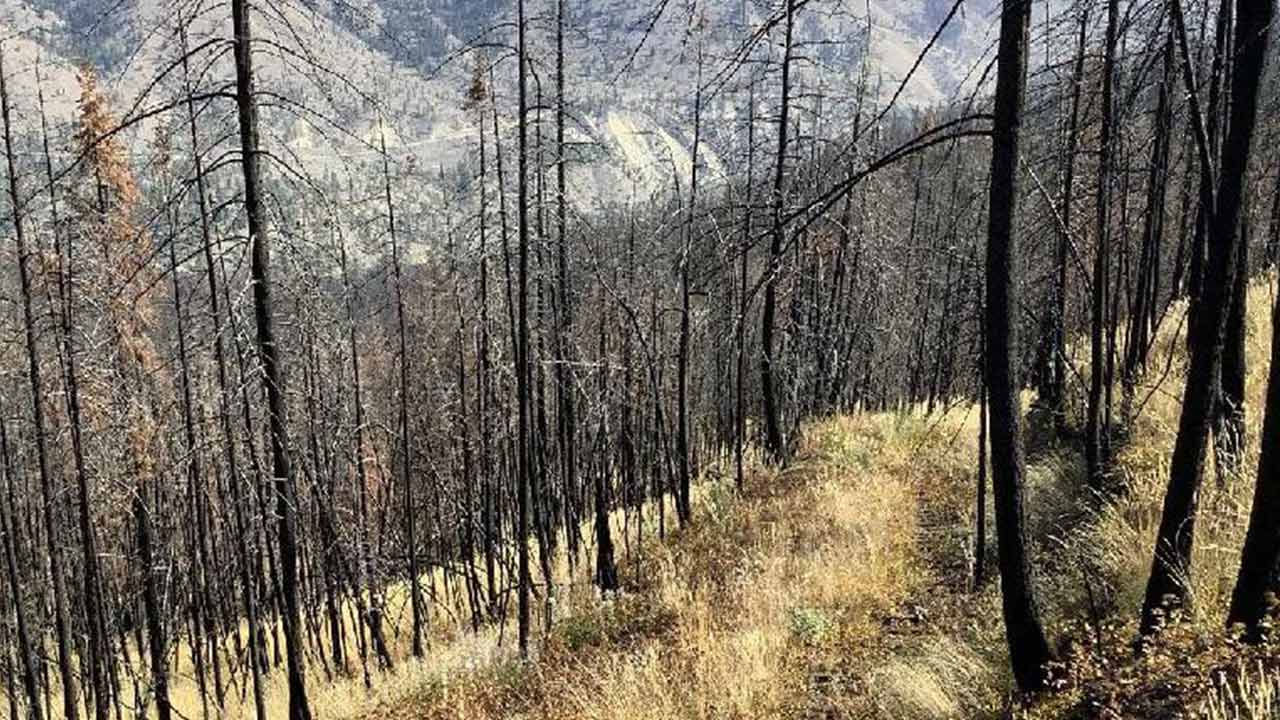
In 2021, British Columbia experienced some of its worst natural disasters in recorded history. The Lytton Creek wildfire made headlines throughout the world after record-breaking heat and a spark resulted in a fire that destroyed the town of Lytton in minutes. This fire spread east and burned an extensive portion of the Nicola Valley watershed. Near the fire’s southern boundary, it spread across the Nicola Valley and burned almost the entire western half of the Nicola watershed, where several Indigenous communities live.
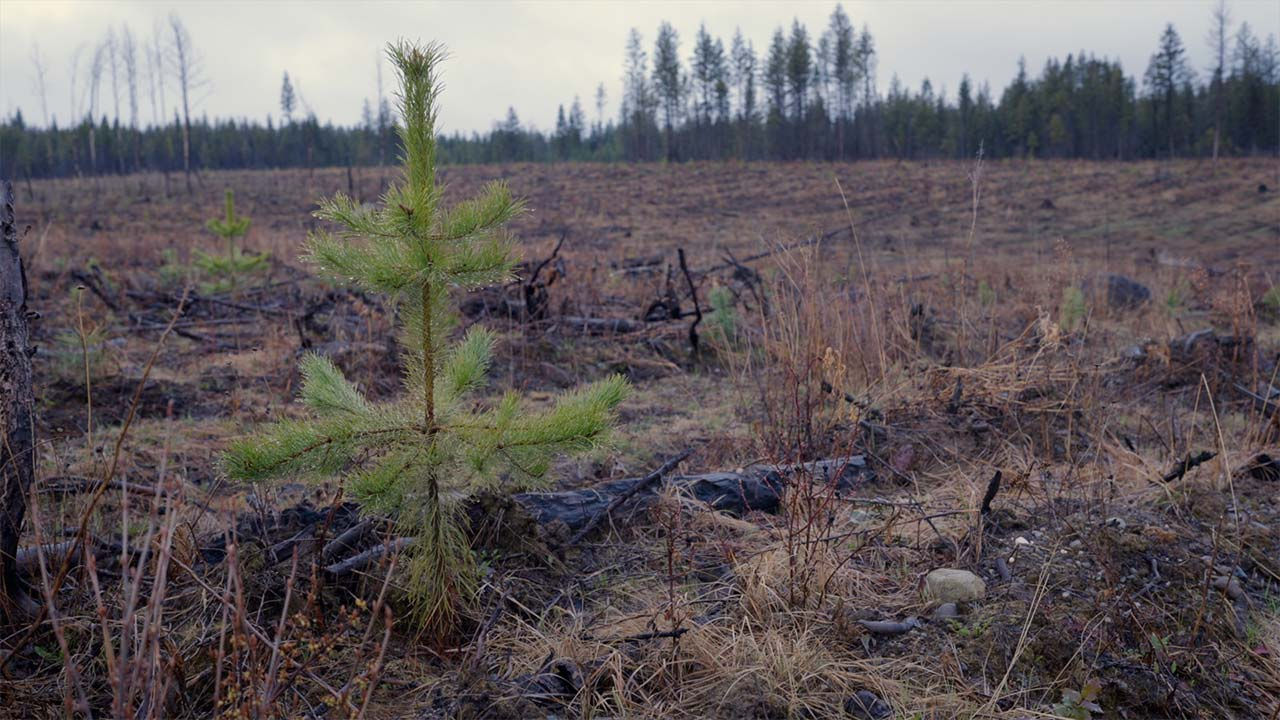
This reforestation site is located within the 2021 Lytton Creek wildfire affected area that burned at a high severity, killing nearly 100% of the trees. This area is located within the Nicola Valley, a sub-watershed of the Thompson River in British Columbia.
The region contains over half of the province’s 21 major ecosystem types, including rare and unique grassland ecosystems, wet mountain ranges, and some of the driest, hottest deserts in Canada. Major lakes and rivers include Adams Lake, Shuswap Lake, Thompson River, Similkameen River and Nicola River. The terrestrial ecosystems of the region provide habitat for California bighorn sheep, black bears, coyotes and more. The rivers and lakes also provide habitat for various species, including steelhead and bull trout.
The region has experienced several major disturbance events over the last decade, including wildfires, flooding and forest pest infestations. Climate change is projected to increase the frequency of these events in the future.
Restore 400,000 trees, sequester 8,000 tonnes of CO2* and restore 282 hectares of land.
Active tree planting: the planting of native tree seedlings in a forest fire affected area with little or no forest canopy to meet specific goals.
These species are native to the region and will be strategically planted to restore the forest habitat that was destroyed by the 2021 Lytton Creek wildfire. They have the capacity to thrive in the site’s dry forest type and will provide critical ecological functions for regional wildlife.
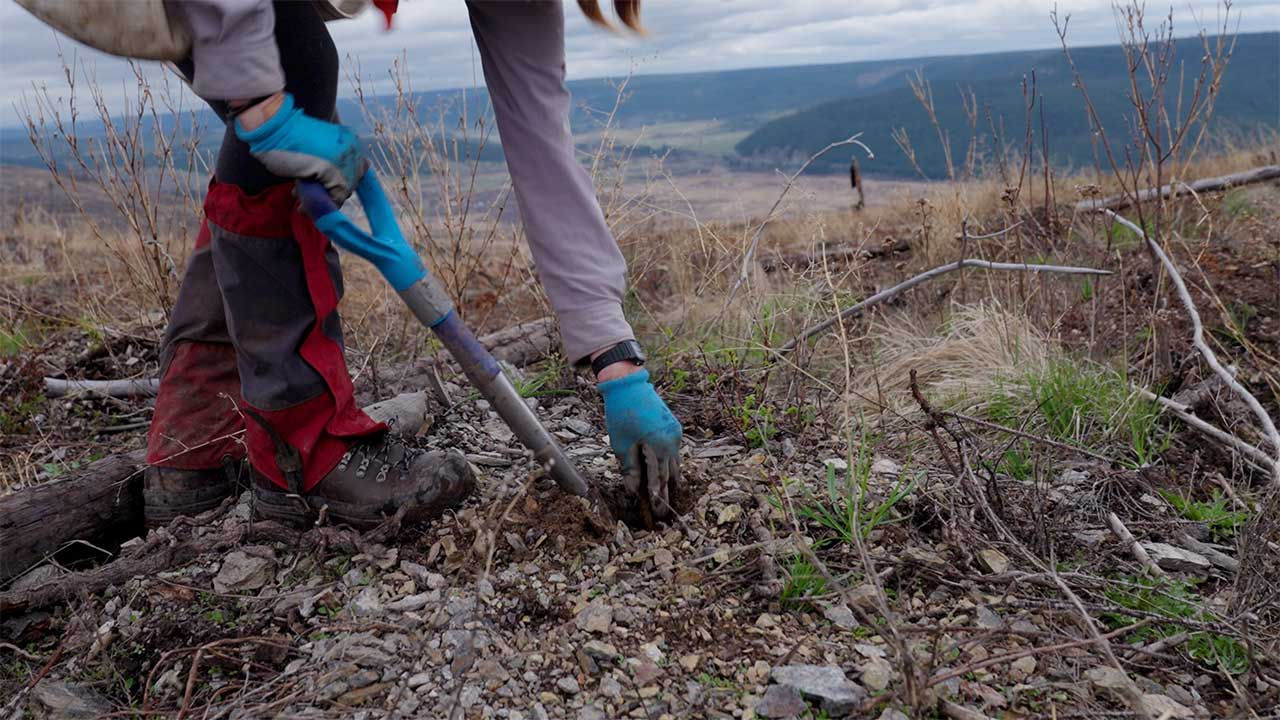
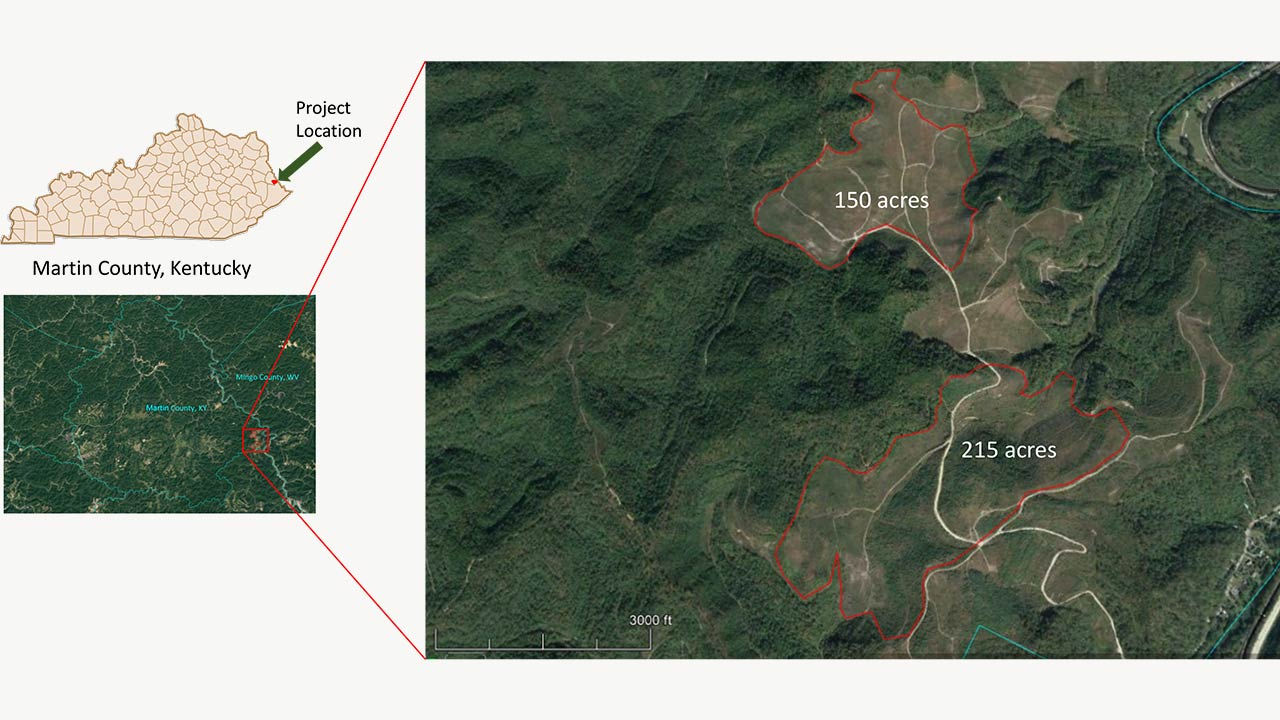
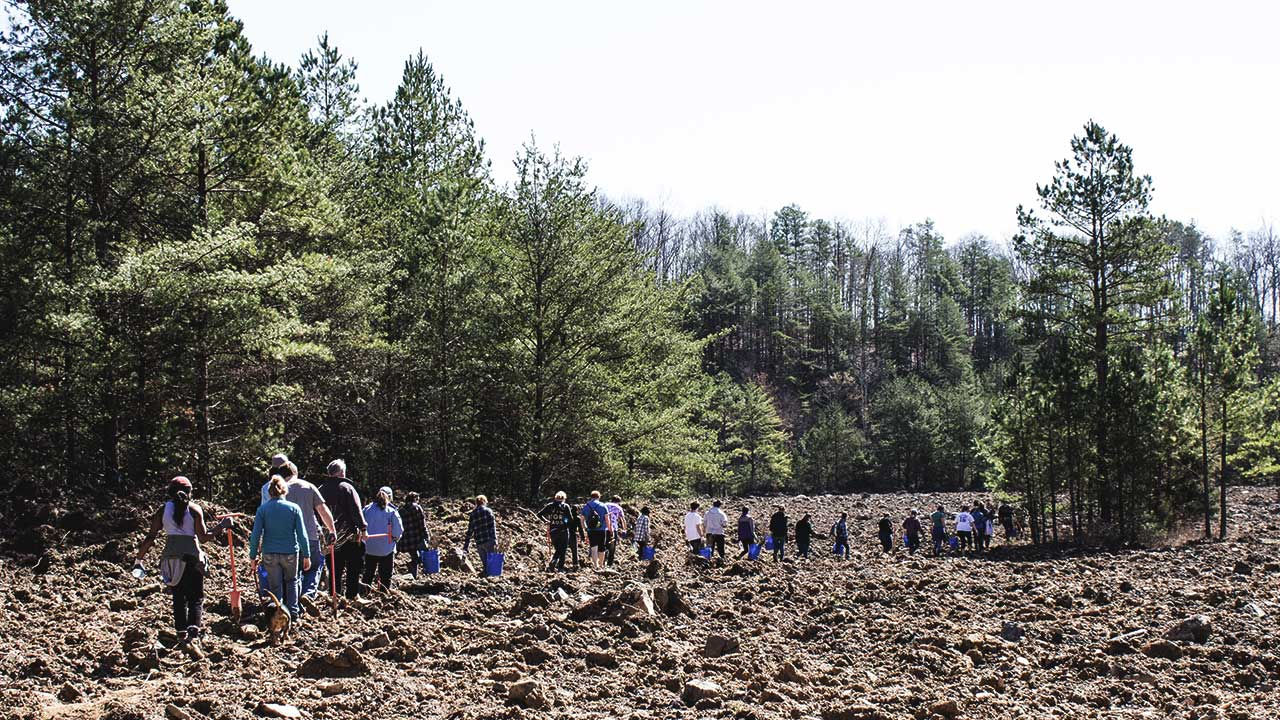
Conservation International is partnering with Green Forests Work (GFW) to restore degraded mine sites in Appalachia, with an aim to create jobs and revitalize the environment and economy in counties impacted by the decline in the coal industry. GFW will restore a former coal mine by planting a declining forest type (i.e., shortleaf pine-upland oak woodland) that will help to improve air and water quality, enhance forest resiliency, mitigate climate change through increased carbon accumulation, provide multi-seasonal pollen and nectar sources for pollinators and make the sites more productive for wildlife.
Restore 100,000 trees, sequester 2,000 tonnes of CO2* and restore 60 hectares of land.
Active tree planting: the planting of seedlings over an area with little or no forest canopy to meet specific goals.
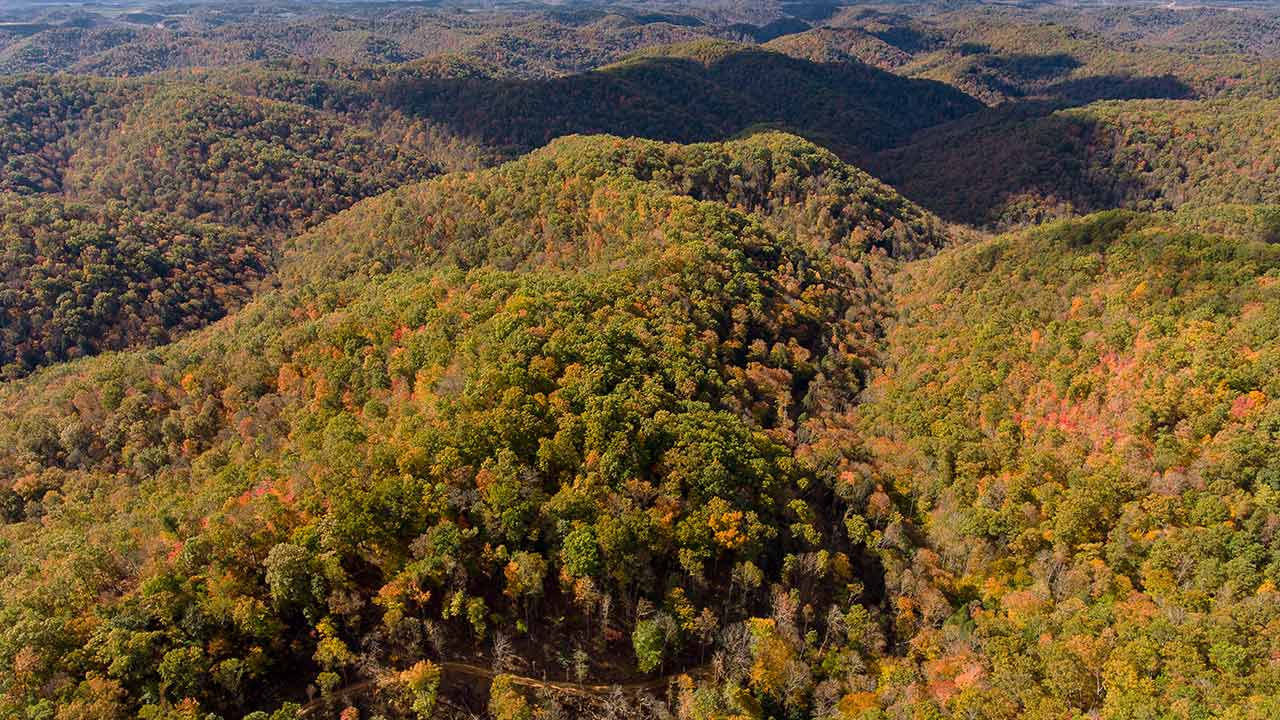
The project area will be replanted to shortleaf pine-upland oak forests typical of eastern Kentucky and the Cumberland Plateau.
*Estimated carbon sequestration is 20 kg of CO2e per tree accumulated over five years, based on low estimates of dry and humid tropical growth rates from global restoration databases.
Actual carbon impact of each Priceless Planet Coalition restoration project will be assessed after five years based on data collected throughout the monitoring process. ↩