One afternoon in mid-December 2021, Ida Mae Gumosan heard raindrops on the roof of her home on the island of Palawan, in the Philippines. Assuming it was just a passing storm, she and her family — her husband, three children and parents — paid the rain little mind.
But by the time darkness fell, the downpour grew so heavy and the wind so fierce, it nearly knocked the house sideways.
This was Odette, a Category 5-equivalent super typhoon that ripped through the Philippines, claiming more than 400 lives and displacing more than 30,000 people. The winds transformed the thickly forested northern and central part of the island into open-canopy forest or, in the clinical terms of one assessment, “non-forest.”
In Puerto Princesa Subterranean River National Park, the island’s crown jewel, Odette damaged 57% of the forest, jeopardising the lives of local Indigenous families, who depend on the bounty of the forest and its nearby river to survive. “When I was a teenager, we had food there,” Gumosan says. “When Odette came, there was nothing.”
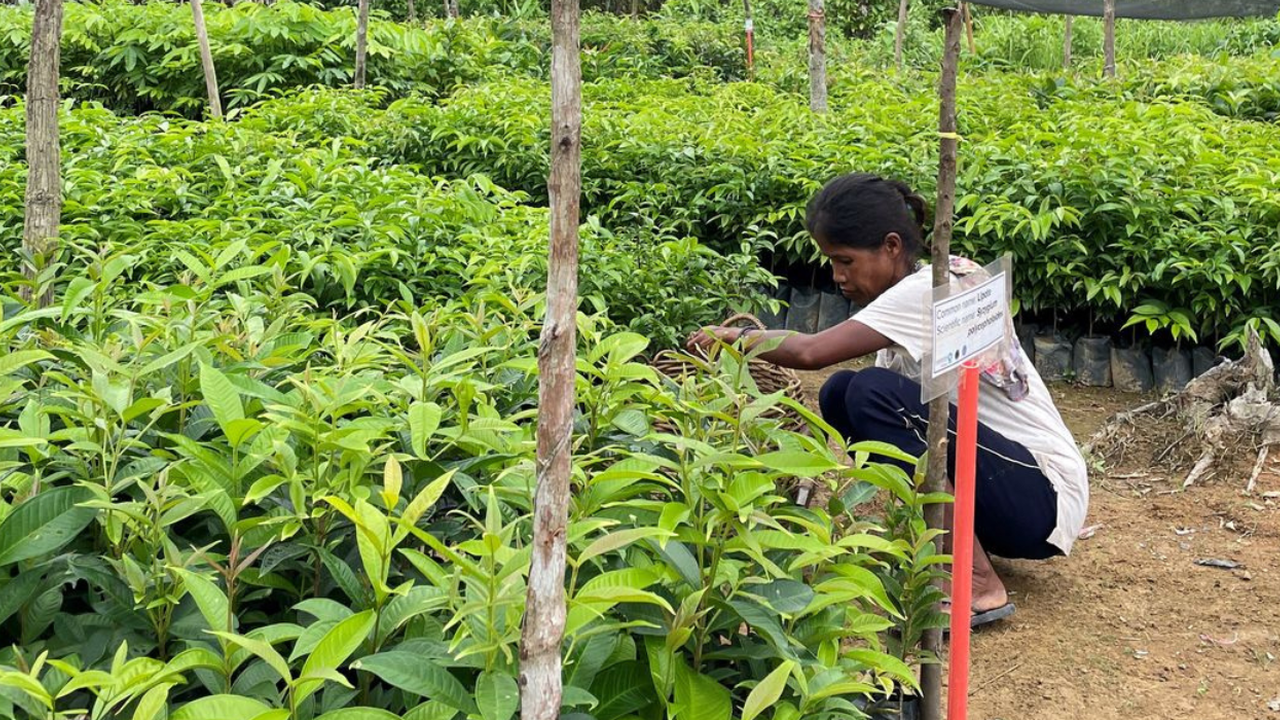
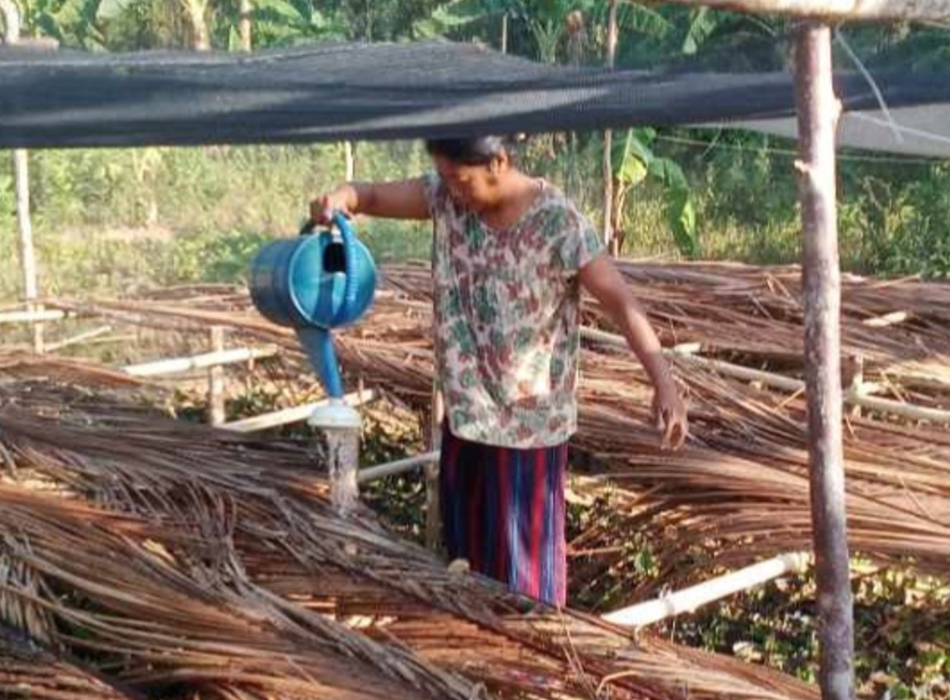
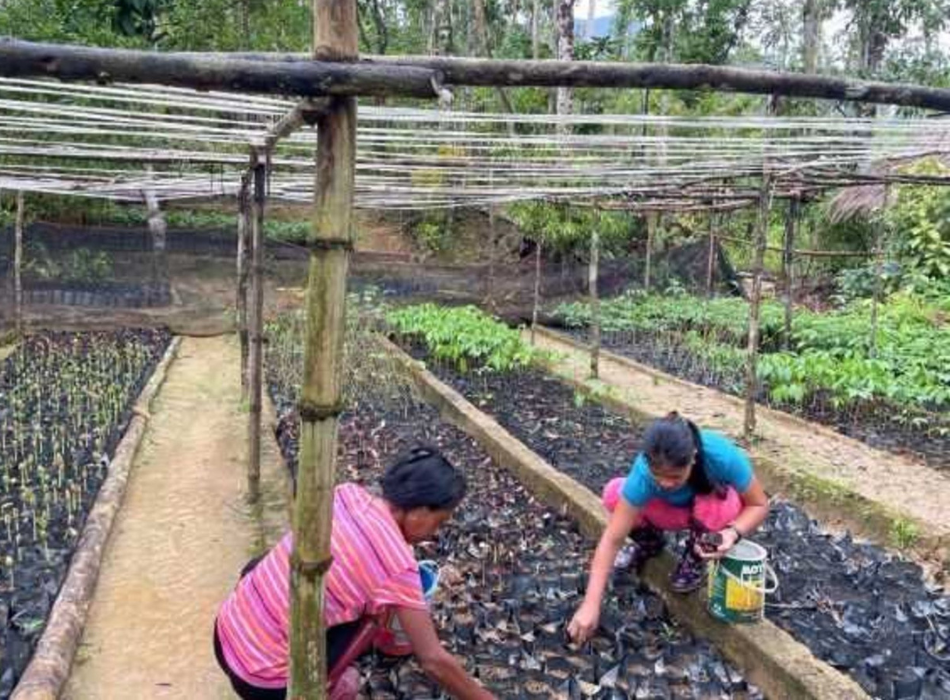
Three years later, Gumosan is able to support her family working as a nursery aide for the Puerto Princesa Forest Restoration Initiative, a Conservation International-sponsored project to plant more than 400,000 seedlings to restore Palawan forests destroyed by Super Typhoon Odette. It’s part of a larger global effort by the Priceless Planet Coalition, launched by Mastercard with Conservation International and the World Resources Institute, to restore 100 million trees around the world.
These projects extend beyond carbon sequestration — they’re aimed at creating economic opportunities for women in the region, enabling them to better provide for their families. Gumosan is one of the many local women and community members leading the charge on nursery construction, maintenance and seedling production.
“Sometimes we just rely on what the land provides. That’s it,” Gumosan says. “Until we had the opportunity to work with the Conservation International project. And through God’s grace our lives have improved, because we now earn a living, a source of food.”
Climate catastrophes are increasingly wreaking havoc on lower-income countries. According to a report from the World Bank, the 74 lowest-income nations have suffered eight times as many natural disasters over the past ten years than they did in the 1980s. If unchecked, these disasters could force more than 200 million people to migrate within their own countries, forcing as many as 130 million people into poverty.
And when disaster strikes, women and girls suffer the most. According to the United Nations, this partly stems from the fact that they make up the majority of the population in poverty who depend on local resources for their livelihood, something that’s particularly true in rural settings. As a result, an estimated four out of five people displaced after a climate event are women or girls and women and children are 14 times more likely to die than men.
For this reason, it’s crucial for climate action organisations, like Conservation International and the World Resources Institute and private-sector partners to do more than mitigate climate change. They must help to build resilience and restore the livelihoods of the world’s most vulnerable citizens.