ARTICLE

The invisible handshake

How tokenisation is revolutionising digital interactions

One of the biggest challenges in digital commerce is building trust between parties that don't know and can't see each other. Since every digital interaction involves the exchange of data, establishing confidence in that process is crucial for the digital economy. 

Enter tokenisation — a powerful technique for securing trust. It replaces sensitive data with anonymised tokens, protecting privacy and securing interactions. Well-established in payment processing, tokenisation substitutes card numbers with unique identifiers that can only be used in specific contexts — whether on a particular device, with a certain merchant or for a specific type of transaction (e.g., contactless payments). 

Tokenisation's potential extends far beyond card payments. It enhances the ability to manage and exchange anything of value — money, identity credentials, medical data and more. Tokenisation empowers consumers, giving them control over what data to share, with whom and for how long. Imagine verifying your identity for an online platform you’ve never tried before, using only a tokenised version of your credentials, ensuring your personal details remain protected.

Across industries, tokenisation is driving innovation, unlocking new capabilities and enabling more secure value exchanges. It isn't just an encryption tool — it's a confidence-enhancing standard that empowers banks, merchants, digital platforms and fintechs to create new business models. 

That's why we envision a token economy — a secure, thriving marketplace for digital interactions and a foundational pillar of future commerce. In this edition of Signals, we explore how tokenisation transforms value exchange. We highlight real-world examples, discuss the challenges and imagine a future where tokenisation forms the backbone of a secure, efficient digital economy.

How tokenisation works

Tokenisation serves as a security mechanism that replaces sensitive information — such as credit card numbers, personal identification numbers or confidential records — with non-sensitive information (“tokens”). The non-sensitive information is typically in the same format as the sensitive information and can be transferred and authenticated without  risking the exposure of the information for which it stands. The smartphone is the device through which users will most often encounter tokenisation, whether for facilitating payments or any other of a wide range of experiences. 
 
Certain types of tokenisation, such as card or account-to-account payment tokenisation, require the use of a “token vault,” a secure environment that shops the original data to which tokens refer. Depending on security requirements, the process can also involve encryption of data to prevent it from being stolen in cyberattacks, such as man-in-the-middle data captures. 

Payments: Tokenisation at scale

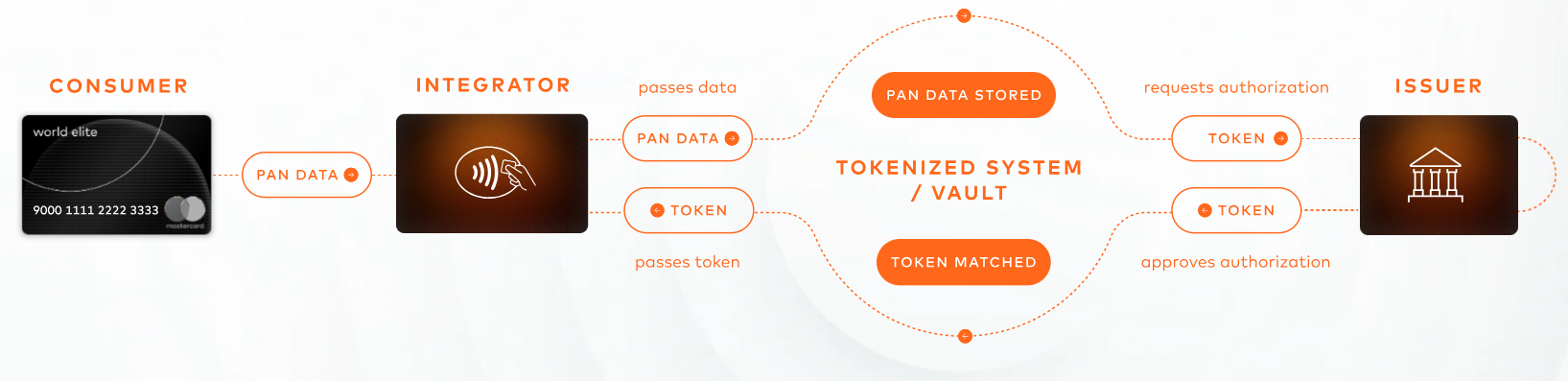
The payments industry has been one of the first to successfully scale tokenisation. Mastercard currently processes over 1 billion tokenised payment transactions per week. Here’s how payment tokenisation works.

How tokens are used

1.  During a transaction, a tokenisation system receives sensitive information, such as a credit card primary account number (PAN).

2.  The system converts the PAN into a random string of characters. To add an additional layer of security, the information may be encrypted.

3.  This payment token represents the PAN throughout the transaction process, minimising the risk of data compromise.

4.  The original PAN is securely stored in a token vault, isolated from other systems.

5.  To complete the transaction, the payment token is matched with the PAN within the safe environment of the vault.

6.  This approach not only secures information but also enables broader functionalities essential for modern transaction systems.

“Today, more than 30% of Mastercard transactions worldwide are tokenised and we intend to continue scaling this quickly. By 2030, we’re aiming to eliminate the need for manual card entry and one-time or static passwords, by ensuring that every online transaction across our network can be tokenised and authenticated — making online checkout smoother and safer for everyone.”

Pablo Fourez, Chief Digital Officer at Mastercard

Benefits of the token economy

Digitisation

Tokenisation creates a digital representation of a physical asset or entity — converting a physical card into a payment token to be used in device wallets or with a specific merchant.

Control

Tokens can be programmed with specific rules and logic, enabling greater and more granular control over their accessibility and usage, particularly in high-risk environments, like digital channels.

Consent

Enabling consumers to determine how they share and manage information.

Mastercard has announced its vision to reinvent online checkout by the end of the decade. By ensuring that every transaction on our network can be tokenised and authenticated, we can phase out manual card and password entry in favour of smiles and fingerprints.

Tokenisation use cases

Identity

Making credentials validation more secure and convenient

Challenge

Online fraud cost U.S. consumers and businesses $12.5 billion dollars in 2023¹ and new challenges are always arising: Generative AI and deepfakes are making synthetic identities more sophisticated and difficult to detect. A recent survey indicated that 73% of respondents² have experienced identity theft, with digital fraud rates climbing by 80%³ over pre-pandemic levels. This necessitates more secure, durable and user-friendly methods of verifying identity. 

solution

Tokenising credentials including personally identifiable information (PII) is an effective way to create portable digital IDs. When sensitive identity data like birth certificate information, passport details and biometrics are converted into tokenised formats, users can securely store and easily access them via digital wallets on smartphones, selecting what details they are willing to share in different situations. These tokens allow individuals to authenticate their identities and transact effortlessly at various checkpoints with simple tap-and-go interactions. 

“To make the token economy work for consumers — for any use case — it’s essential to have a secure, interoperable and standardised method for people to identify and authenticate themselves before any value is exchanged. That’s the idea behind the Mastercard Payment Passkey Service. It replaces passwords and one-time codes with device biometrics, which cannot be guessed, shared or stolen.”

Jorn Lambert Chief Product Officer at Mastercard

Secure storage

Once tokenised, personally identifiable information (PII) is cryptographically secured and stored on a blockchain or network, making it tamper-proof and accessible only to authorised users.

Ease of access

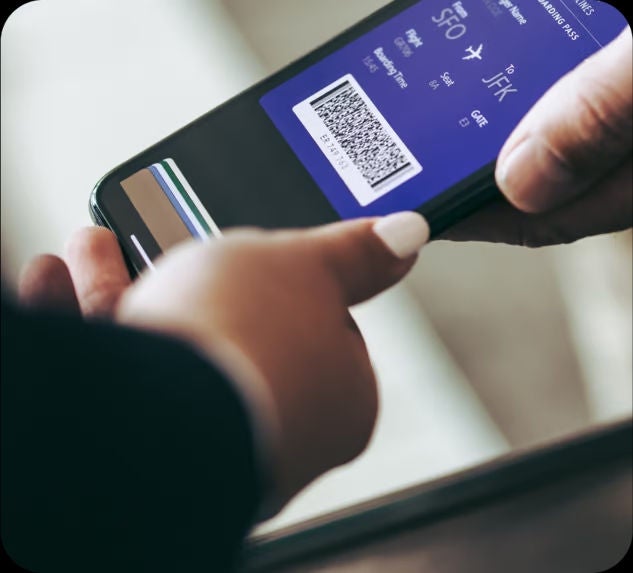
Users can present their tokenised identities via their mobile devices, streamlining processes like airport check-ins or bank verifications. 

Corporate applications

Tokenisation speeds onboarding of new corporate clients by securing and simplifying access to the organisational information required in know-your-customer/anti-money laundering (KYC/AML) compliance.

Plausible future

“During a loan application, I securely provided banks with the necessary elements of my tokenised identity. This meant that I could focus on getting the best rate rather than on paperwork — and I don’t have to worry about sharing information with multiple parties. My tokenised identity will also be useful in renting an flat or car, taking out insurance and signing a mobile contract.”

Active players

Companies like ID.me are pioneering this space by offering digital wallet solutions that secure tokenised PII. With 50 million users and 600 partners,⁴ ID.me exemplifies the growing acceptance of and reliance on digital identity solutions.

Outlook

Tokenisation and the ability to create seamless, secure and efficient verification systems are likely to further innovation in the digital identity space.  

Tokenised biometrics hold significant promise. By tokenising personal measurements, consumers could more easily purchase clothing online, helping e-commerce merchants reduce returns — a crucial advantage considering that 25% of online apparel purchases are returned. Beyond retail, tokenisation can streamline processes in the gaming or regulated goods industries by allowing consumers to securely share only necessary information, like proof of age.

Tokenisation plays a pivotal role in enabling secure and seamless authentication experiences. Passkeys, for instance, are tokenised representations of a consumer’s identity tied to their biometric data stored on personal devices. Passkeys can replace one-time passwords in payments, which are widely regarded as insecure. Once generated, a passkey can be combined with other factors to verify that the consumer is using a trusted device, enabling frictionless authentication for e-commerce and remote commerce transactions. 

In general, as digital interactions evolve, the demand for frictionless and reliable identity verification will drive more innovation and wider adoption.

Data

Securing the exchange of private and sensitive data

Challenge

Exchanging data in a fragmented digital world is fraught with difficulties around transparency and privacy. Healthcare systems often suffer from fragmented data infrastructures that lead to high operational costs and may compromise patient care. Lack of interoperability means that medical records are scattered across platforms, making it difficult for healthcare providers to access complete patient information.

solution

When sensitive health data is converted into secure tokens, it can be seamlessly exchanged across systems without compromising security. Protected health information (PHI) is accessible only to authorised personnel, preventing unauthorised access and potential breaches.

Tokenisation empowers patients with control over their medical data, letting them decide who can access their information and under what circumstances. This is facilitated through programmable tokens configured to grant access only in specific contexts or timeframes. 

Insurance: Tokenised policies get smart

Recent analysis by BCG reveals that 60% of insurance companies are investing in blockchain tech, with 80% of industry C-suite executives believing it can significantly enhance their companies’ efficiency.⁵ Tokenising insurance policies involves creating digital code surrogates that are represented on the blockchain, so they can be managed using smart contracts.

Investing in blockchain tech

Benefits of tokenised insurance policies

Automated policy management

Smart contracts can automatically activate or deactivate policies based on premium payment status, reducing administrative overhead.

Flexible product offerings

Tokenisation facilitates the introduction of innovative insurance products, such as short-term policies for contingent workers that automatically expire when no longer needed.

Enhanced collaboration

Digital contracts can streamline interactions between multiple insurers, co-ordinating claim payouts more effectively and equitably.

Improved process efficiency

By recording all relevant data on the blockchain, tokenisation aids in underwriting and claims inspections and enhances the ability to detect and prevent fraud — potentially reducing consumers’ insurance costs.

Commerce use cases

Tokenisation can not only protect and mask data, but also help manage access to sensitive data. Consumers can choose to authorise and selectively enable merchants to “see” their shopping behaviour on a digital platform. Merchants benefit from access to behavioural data that brings new precision to product placement, offer development and pricing. Consumers could benefit from more relevant offers, pricing and discounts.

Plausible future

“I no longer need to manually provide comprehensive medical histories at every visit to the doctor. Instead, I authorise access to my tokenised PHI through my secure digital wallet, streamlining the consultation process and making medical assessments more accurate.”

Companies like ID.me are pioneering this space by offering digital wallet solutions that secure tokenised PII. With 50 million users and 600 partners,⁴ ID.me exemplifies the growing acceptance of and reliance on digital identity solutions.

Active players

The LexisNexis Gravitas Token solution⁶ exemplifies how advanced tokenisation technologies are being applied in healthcare. Its algorithms de-identify and link patient data so that it can be safely used for clinical research without compromising patient privacy.

Outlook

PHI tokenisation promotes a more integrated healthcare system where information flows freely yet securely, benefiting all stakeholders, particularly patients. But realising this potential requires grappling with regulatory complexities and legacy systems. This will require time and a co-ordinated effort across the healthcare industry.

Cross-border

Globalising tokenised payments

Challenge

Cross-border (XB) payments are rendered inefficient by legacy infrastructure, coupled with complex regulation and governance. Countries’ unique payment systems create interoperability issues, while fees levied by intermediaries increase costs. Additionally, manual compliance processes and legacy technology impede effective tracking, while the lack of trusted global settlement mechanisms necessitates costly currency conversions.

solution

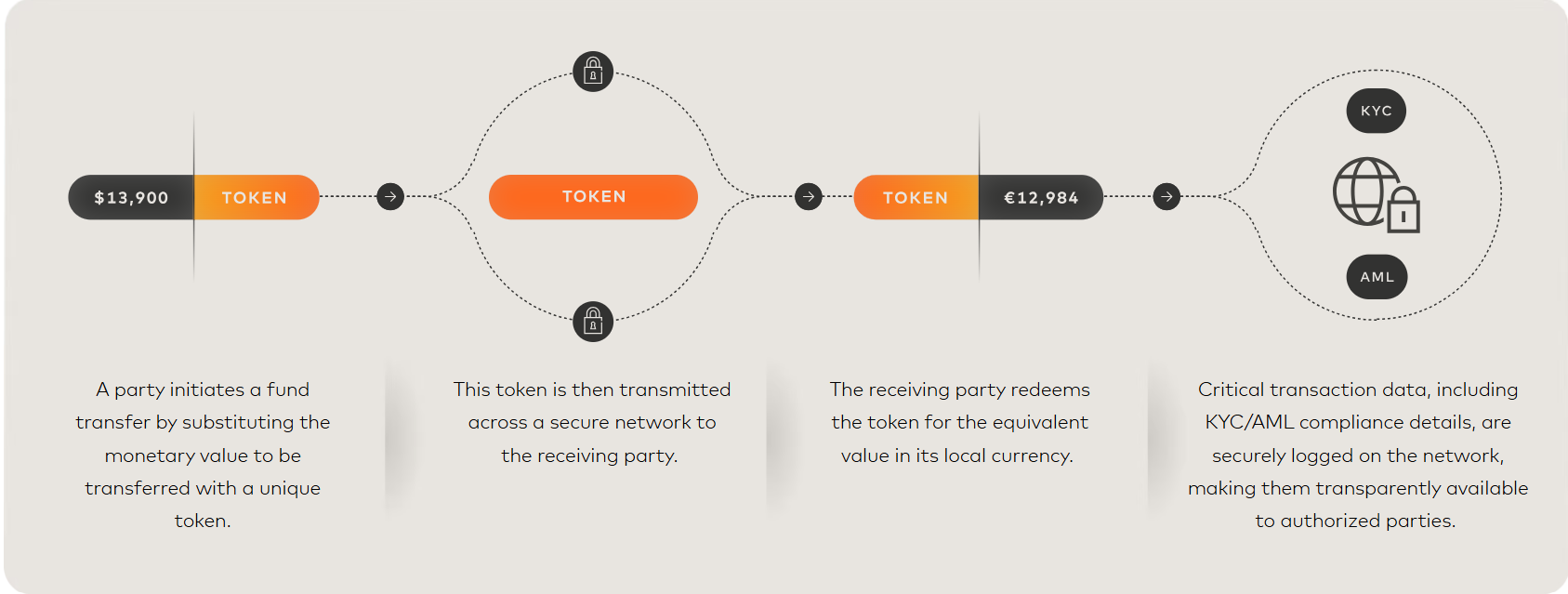
Tokenising XB payment flows can significantly improve speed, transparency and cost efficiency. Deployed in holistic cross-border networks, tokens can represent and instantaneously transmit value and associated data across borders.

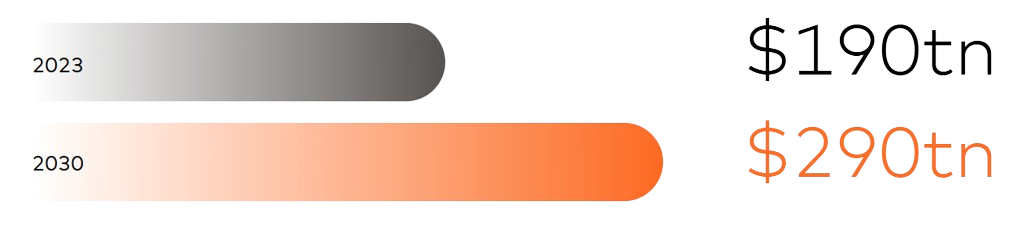
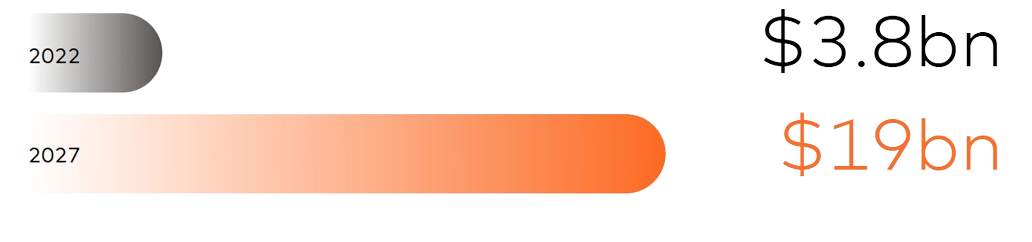
Expected growth in value of XB payments⁷

Fees for XB payments⁸

x10

As much as 10 times higher than for domestic payments

1.5%

An average of 1.5% for corporate transfers

8.4%

Up to 8.4% for individuals’ remittances

How It Works

This streamlined approach eliminates many traditional steps and intermediaries, reducing transaction times from days to minutes. Since the relevant networks operate continuously, the system is “always on” and unaffected by traditional banking hours and time zone differences, unlike existing systems.

Money movement vehicles

Stablecoins

Stablecoins are cryptocurrencies the value of which is tied to stable assets like fiat currencies or government bonds.

Pros

Reduction in fees and conversion costs, support for near-real-time settlement and less volatility than typical cryptocurrencies.

Cons

Challenges in maintaining full backing can lead to instability, as seen in certain high-profile stablecoin failures.

Central bank digital currencies

Central bank digital currencies (CBDCs) are issued by central banks. They are digital versions of fiat currencies that use digital ledger technology for traditional financial operations.

Pros

Enhanced transparency, streamlined transactions and more financial control.

Cons

Largely experimental, CBDCs raise potential privacy issues and could unbalance the financial system.

Tokenised deposits

Tokenised deposits are digital tokens representing large-volume bank deposit balances. Tokenised deposits could facilitate rapid and efficient cross-border transfers within private blockchains or permissioned public blockchains established within consortiums of approved banks.

Pros

Fast settlements and support for complex, smart contract-driven transactions, increasing financial market fluidity.

Cons

They could increase financial inequality by disadvantaging smaller banks that lack advanced technological capabilities.

Plausible future

“I no longer need to manually provide comprehensive medical histories at every visit to the doctor. Instead, I authorise access to my tokenised PHI through my secure digital wallet, streamlining the consultation process and making medical assessments more accurate.”

Active players

Major banks are advancing in this space. Citi has launched Citi Token Services,⁹ using blockchain and smart contracts to facilitate 24/7 XB payments and automated trade finance. J.P. Morgan’s Kinexys platform¹⁰ makes possible faster settlements with the use of peer-to-peer information sharing, continuous settlement and interoperability enabled by the Ethereum blockchain.

Outlook

While the adoption of comprehensive XB payment systems faces challenges — particularly regulatory and political hurdles across jurisdictions — the potential benefits are substantial. It could help streamline today’s complex processes and improve the payment experience. Speedier XB transfers would improve commerce and reduce both a company’s costs and its reliance on business financing. Established financial networks and institutions with significant scale and influence are well-positioned to navigate these challenges and could emerge as leaders in modernising XB payments.

Interactions

Simplifying and securing the digital experience

Challenge

Consumers and businesses operate across a wide range of channels, devices and ecosystems, each introducing unique risks to financial transactions. Managing these complexities demands a level of granular control that traditional payment infrastructures, built for simpler environments, can’t accommodate. The rigidity of these legacy systems leaves businesses struggling to adapt to the nuanced requirements of today’s dynamic digital landscape.

solution

By deploying technology like smart contracts that operate on "if this, then that" logic, programmable payments can respond dynamically to events or changes in the environment, improving transaction velocity and reducing costs. 
 
Simple programmability is already used in routine bank transactions — an example would be scheduled monthly utility payments. But tokens can provide more sophisticated and complex programmability, containing built-in instructions that activate under specific conditions, offering more control and transparency and reducing risk. Tokens could automate the operations of an escrow account, remaining inactive until predefined conditions are met and then executing agreed-upon transfers without further human intervention. Earmarking or assigning funds for certain purposes, could also be automated, with the rules stipulating disbursements only when warranted. Loans could be automated along the same lines.

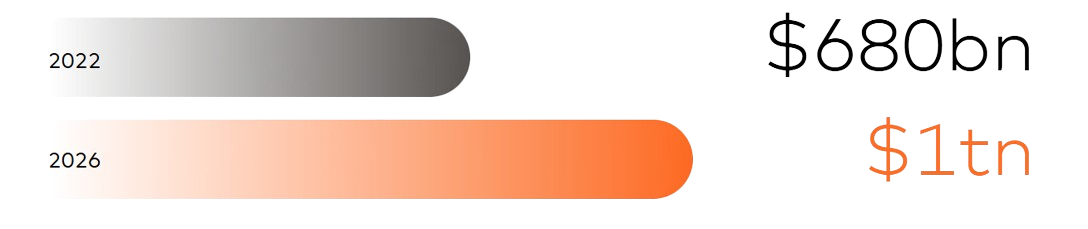
Number of tokenised payment transactions globally¹¹

Applications of programmable tokens

Escrow, earmarking & loan services

Automate and secure disbursements and transactions, ensuring funds are released only when all contractual conditions are satisfied.

Dynamic contract fulfilment

Facilitate complex contractual agreements such as supply chain payments where confirmation of goods delivery triggers payment.

Regulatory compliance

Automatically enforce compliance with regulatory requirements, reducing risk and costs associated with manual oversight.

Plausible future

"Tokenisation with programmable logic has transformed our business operations, reducing overseas payment times from weeks to just hours, thus enhancing our cash flow and reducing time to market."

Active players

In September 2023, Citi piloted a programme for programmable transfers of deposit tokens, targeting institutional clients to facilitate efficient service provider payments.¹² This new service could reduce transaction times from days to minutes.

Outlook

The broader adoption of programmable payments promises improved efficiency, security and transparency. But programmable technologies face regulatory hurdles and will require significant cross-industry collaboration. Success will depend on how quickly these challenges can be addressed and the technology integrated into existing financial systems.

Goods

Product passports for visible supply chains

Challenge

There is often insufficient transparency into the origins and handling of products. At the same time, consumer demand for information about product origins, sustainability and quality is intensifying the pressure on companies to improve supply chain management.

solution

Product passports are just the beginning. By assigning each asset a unique token identifier (in the form of a QR code or RFID), traceability is improved throughout the supply chain. Similarly, participants are assigned digital identifiers that let them authenticate and manage assets as the latter move through the supply chain.

Distributed ledger technology (DLT) could also help. DLT ensures that all asset-related activities are recorded in real time and immutably, reducing chances for data loss or falsification and eliminating obscurity.

Integrating Internet of Things (IoT) devices with tokenisation enables the collection of additional data, such as on environmental conditions throughout the supply chain. Smart contracts can then automate traditionally bureaucratic processes, streamlining operations and enhancing transparency.

Operational benefits

Enhanced transparency

Tokenised real-time data records promote transparency within the supply chain, making transactions visible to suppliers, regulators and consumers. This visibility helps guarantee that all products meet promised standards.

Proactive issue resolution

The ability to monitor conditions in real time allows businesses to address issues promptly. If IoT sensors detect a rise in storage temperatures that endangers product quality, immediate adjustments can prevent losses.

The number of tokenised IoT transactions will increase 5x in the 5-year period up to 2027¹³

On the sustainability track

Benefits of tokenised insurance policies

Distributed ledger technology

Enhances transparency in supply chains, promoting better sustainability practices. Via DLT-enhanced systems consumers can access detailed information about the products they purchase, such as data on carbon footprints, raw material sourcing and recycling levels.

Digital product passport (DPP)

The European Commission's Digital Product Passport initiative aims to foster sustainability and circularity in consumer goods. Each product will feature a QR code or RFID tag that links to a blockchain storing environmental impact data. 

Tokenisation’s role

Integrating tokenisation with DPP could improve data security and consumer accessibility. Information might be stored as non-fungible tokens (NFTs), making it both secure and easily verifiable.

Challenges and outlook

The DPP faces regulatory ambiguities. Regulators will have to decide what level of detail DPPs should rise to and define what tech architectures they can use. Yet the initiative illustrates blockchain’s and token technology’s potential in tackling significant issues like sustainability. The EU could roll out the DPP by 2026.¹⁴

Plausible future

"Thanks to the integration of IoT and tokenisation, our grocery chain quickly identified and addressed an issue with refrigerator temperatures in one of our distribution centres. This prevented batches of dairy products from spoiling, saving money and protecting our brand reputation."

Active players

The global market for blockchain-based supply chain management technology, exemplified by solutions like SAP’s GreenToken, is growing quickly. These solutions make possible precise tracking of even commingled product materials, ensuring the integrity and traceability of items from source to shelf. Major corporations like Unilever have adopted this technology to meet regulatory requirements and consumer expectations.¹⁵

Outlook

Token-based tracking and monitoring solutions are poised to deliver substantial benefits to organisations with extensive logistical operations in which economies of scale play a crucial role. The synergy between IoT and tokenisation could improve supply chain management by making possible sophisticated end-to-end automation platforms. As these technologies mature, traditional supply chain management firms may need to form strategic partnerships or innovate to stay competitive. This trend is likely to democratise the market, reducing dominance by a few major players.

Navigating challenges

Despite tokenisation’s potential, several challenges could impede its adoption.

Regulatory complexity

Navigating complex data and securities regulations across different markets and jurisdictions remains a hurdle. Data localisation laws require that data be processed within specific countries, adding to the complexity of creating a truly harmonised and interoperable model for tokenisation. Tokens used in specific functions, like cross-border payments, may attract regulatory scrutiny in multiple jurisdictions.

Competing standards and lack of interoperability

New players consistently enter the token ecosystem, which stimulates growth in both the number of tokens and token types. In the payments space, network tokens compete against those issued by payment service providers (PSPs); in the identity and access space, Google’s SSO tokens compete against Apple’s. Over time, the market could consolidate or standardise, with token providers transitioning into adjacent areas, where the technology can improve security and consumer experience. A direct byproduct of the growth in tokenisation use cases is the proliferation of token types without the needed interoperability. As highlighted above, even within payment tokenisation, token types vary across PSPs and networks.

Technology integration

Legacy tech stacks with low configurability and siloed data environments often result in significant technical debt, high maintenance costs and elevated security risks.

New threat vectors

Quantum computing and advanced AI could potentially compromise tokenisation’s effectiveness in securing sensitive data. The former could break through encryption, while the latter could enhance attack methods that involve predicting and reverse-engineering tokens.

Consumer and merchant adoption

Tokenisation within some use cases, such as payment and loyalty, is invisible to consumers. They are unlikely to even notice it, much less be required to take any action towards tokenising their sensitive data. But in other contexts, such as healthcare data tokenisation or the sharing of behavioural data with merchants via tokenisation, significant consumer education about the ensuing benefits (privacy, security, the ability to manage consent) of the technology will be required. So will certainty that it is delivering real value to consumers in the form of, for example, personalised pricing and discounts. From the merchant perspective, introducing net new token types or use cases may require merchants to update critical yet outdated technology platforms and/or to retokenise critical data.

Disparate token ecosystems

Different platforms can issue separate tokens for the same card, complicating usage and analysis. The lack of technology to link and harmonise token usage across platforms limits effective data interactivity. Network tokens offer greater interoperability benefits, but merchants frequently also rely on tokens from other sources, requiring the integration of multiple disparate systems and additional technical debt.

Despite these challenges, the drive towards tokenisation continues. Overcoming these barriers so that tokenisation comes fully into its own will require regulatory clarity, technological progress and consumer education.

The future of tokenisation

As we’ve seen, tokenisation is more than just a secure transaction method. It's a versatile tool that continues to unlock potential by promoting the evolution of a token economy. Every sector it touches must be ready to adapt and innovate to keep up.

Impact across select key players in the ecosystem

Banks

Already reaping benefits from streamlined payment processes and higher authorisation rates, banks are well positioned to capitalise on the implicit trust consumers have in their financial institutions. The coming years may see banks extend their role in tokenising sensitive consumer information beyond financial data: With consumer consent, banks could tokenise and share consumer behaviour data with third parties. In addition, banks will benefit from tokenisation’s efficiency benefits: The introduction of bank deposit tokenisation at scale could promote efficient settlement and make possible secure new payment corridors, speeding and reducing the cost of value flow across international borders.

Merchants

Merchants benefit from higher approval rates and reduced operational complexity, a byproduct of the tokenisation of credit card PANS, which reduces fraud, makes checkout more seamless and lightens the compliance burden. Going forward, tokenisation could continue to make commerce even more secure via the tokenisation of PII and biometric information, which would be shared — securely and with consumer consent — with merchants and more broadly across the commerce ecosystem.


Loyalty point tokenisation could reduce fraud, improve consumer experience and strengthen brand affinity. Consumers equipped with tokenised, secure identity profiles will shop with confidence across physical and digital channels — and across devices and different domains, such as those of e-commerce and Web3.

Government

Governments at all levels are likely to take advantage of tokenisation’s secure data management capabilities. Public agencies involved in value transfer will use tokenisation for functions such as welfare and tax refund disbursements. They could also eventually deploy central bank digital currencies to promote financial inclusion. As guarantors of identity for citizens, governments can also be expected to experiment with token-based digital identity solutions. Governments will influence the tokenisation ecosystem via standards, regulation and requirements — either enabling or restricting its development. As tokenisation applications multiply, governments will in turn extend the scope of their control.

Digital wallets

The burgeoning tokenisation economy presents an opportunity to the tech companies and banks that lead in the digital wallet space. Asset, identity and other forms of tokenisation could serve to further entrench their wallets in the ecosystem and in the lives of consumers. Those wallets would become natural distribution channels for new services, such as identity-related services. On the flipside, the market dominance of these companies’ brand-name wallets could invite additional regulatory scrutiny. The interoperability benefits of a tokenised, open-loop payment or identity solution could potentially create even more pressure to open up these companies' “walled garden” business models.

“Tokenisation is well-established in payments, but the list of
potential use cases in other fields is breathtaking. Wherever data needs to be exchanged with confidence, tokenisation can play a role. It has huge implications for commerce.”

Ken Moore Chief Innovation Officer at Mastercard

Tokenisation is proving itself to be a transformative technology. It not only efficiently overcomes challenges around data security and privacy but also unlocks new opportunities for commercial and governmental players with the emergence of a token economy. As innovators continue to explore additional use cases beyond payments, tokenisation will reinforce its role as an invisible enabler, underpinning secure and efficient digital interactions across various sectors.

Mastercard and tokenisation 

Mastercard's role in advancing payment tokenisation underscores the technology's importance. Since 2022, Mastercard has doubled its volume of tokenised transactions, processing over 4 billion such transactions in a single month and enabling safer payments across more than 110 countries. 

Mastercard Digital Enablement Service

Launched in 2014, the Mastercard Digital Enablement Service (MDES) is a single integrated platform for issuers, wallet providers, merchants and other token requestors to enable the digitisation of supported Mastercard card types for many digital payment methods. MDES end-to-end services are supported by the reliability and global reach of the Mastercard network. Besides tokenisation services for issuers and merchants, MDES provides to financial institutions a range of services that reduce data risk with simple, secure and scalable solutions. In addition, MDES provides secure digital payments for any wallet type. 

Multi-Token Network

Mastercard is developing the Multi-Token Network (MTN) to facilitate broader mainstream adoption of blockchain and digital asset technologies for businesses and consumers in a manner that is intended to preserve the integrity of today’s regulated financial system.
 
MTN creates a more reliable and predictable way for consumers and businesses to interact with digital asset ecosystems. It establishes a secure space for highly-regulated financial institutions, such as banks, to explore and deploy new applications and services. MTN also paves the way for the adoption of a wide range of digital asset use cases, expanding choice for consumers, driving competition in digital markets and setting in motion a virtuous circle of innovation for the larger development community.
 
In select countries, the MTN beta is now acting as a testbed for new payments and commerce capabilities. Mastercard strives to ensure that from day one, our network is valuable to all participants, empowering people and businesses everywhere to transact with digital assets with greater flexibility, efficiency and control.

Mastercard Payment Passkey Service

Mastercard Payment Passkey Service uses tokenisation and device-based biometric authentication methods, such as fingerprints or facial scans, to secure a consumer’s online checkout interaction, ensuring the transaction is secure and no financial account data is shared with third parties — rendering it useless to fraudsters and scammers. By replacing traditional passwords and OTPs, the Mastercard Payment Passkey Service makes transactions not only more secure, but also faster, representing a game changer for online commerce.