May 6, 2026
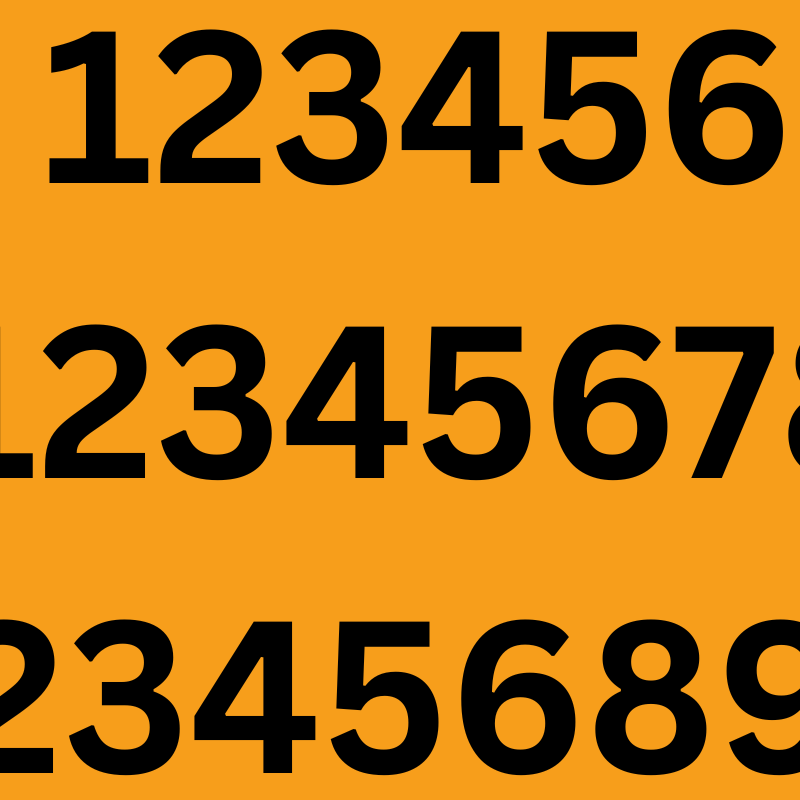
For decades, passwords have been the default guardrail for everything from email and banking to streaming and shopping, and we now manage more logins than ever. And the habits that arise from juggling dozens or even hundreds of onlinw accounts — reusing passwords, opting for easy-to-remember ones like “Admin” or “123456” — can turn a single breach into a much bigger headache.
World Password Day is May 7, and it’s a good time to ask a simple question: Are passwords still doing their job? The Mastercard Newsroom spoke with Alissa “Dr. Jay” Abdullah, deputy chief security officer at Mastercard, about what’s working, what isn’t, and where things are headed next.
Abdullah: Passwords still matter, but they can’t do the job alone anymore. Most of us juggle too many accounts, which leads to reused or forgotten passwords — and that creates risk.
Add in AI‑powered scams that make fake emails and messages harder to spot, and passwords become even easier to exploit. That’s why security today is about adding extra layers and moving toward simpler sign‑in options that don’t rely so heavily on passwords.
Abdullah: Because they’re familiar. They’ve been around forever, and they’re easy to roll out. We’ve added layers like multifactor authentication to make them safer, and that’s helped a lot. But it also adds steps, and it still doesn’t fully solve the underlying problem. So now the real shift is happening: Instead of asking how to strengthen passwords, the question is how we rely on them less.
Abdullah: Passkeys are a newer way to sign in that move us beyond traditional passwords entirely. Instead of remembering or typing anything, your device takes care of the authentication for you.
When you set one up, your device creates a pair of digital keys — one stored securely on your device and one used by the service to verify you. From there, you can unlock your account the same way you unlock your phone — with your face, fingerprint, or device PIN.
Nothing to type. Nothing to forget. Nothing for attackers to phish. And because the credentials stay locked to your device, they’re far harder to steal or reuse.
Abdullah: People want online shopping to feel as easy as tapping a card in-store — fast, seamless and secure. That’s where the industry is going. By 2030, the goal is to move away from manually entering card details for most online purchases and toward more automatic, secure ways to pay.
Behind the scenes, technologies like tokenization help protect your actual card details. And passkeys can help confirm it’s really you — without extra codes or interruptions.
Abudllah: We’re in a transition, so the basics still matter. Use strong, unique passwords for every account. Turn on multifactor authentication wherever it’s available. And when passkeys show up, try them. They’re designed to make life easier, not harder.
Abdullah: Reusing passwords. It’s understandable — no one wants to manage dozens of log-ins. But it creates a chain reaction risk. If one account gets exposed, others can follow.
Abdullah: Maybe it’s time to stop chasing “better” passwords and sign up for passkeys.
Strong habits still matter today. But the bigger shift is happening behind the scenes: moving toward ways to sign in and pay that don’t depend so heavily on memory, typing, or repetition. That’s the direction we’re headed — simpler, faster and more natural for people.