Economic insights

September 2, 2026


The birthday bash that crossed borders

Here’s what international visitor spending reveals about America’s 250th celebration.

google logo

Grace Devlin

Director, Global Communications, Mastercard

America marked 250 years this summer, and it turns out the celebration drew a global crowd. Using aggregated and anonymized Mastercard Economics Institute insights on international visitor spending in June and July, a clear picture emerges: While the U.S. was busy celebrating a milestone, the rest of the world was busy booking flights.

From stadium crowds to national park overlooks to a truly remarkable showing at one Boston pub, here’s where visitors went and what the spending reveals about the summer the world came to America.


Party in the USA

Some of the biggest gains came from countries that don’t usually top the list of international visitors to the U.S. Several markets sent more visitors in June than in any month since 2000 — that list includes Uruguay, Uzbekistan, Morocco, Croatia and Bosnia.

The year-over-year jumps were even more pronounced. Arrivals from Paraguay were up 212%, Croatia climbed 188%, Bosnia rose 138%, and Morocco added 104%. Even a well-traveled market like the U.K., which hardly needs directions to New York, grew 17%. When visitors are coming from that many directions at once, something bigger is going on.


Game on

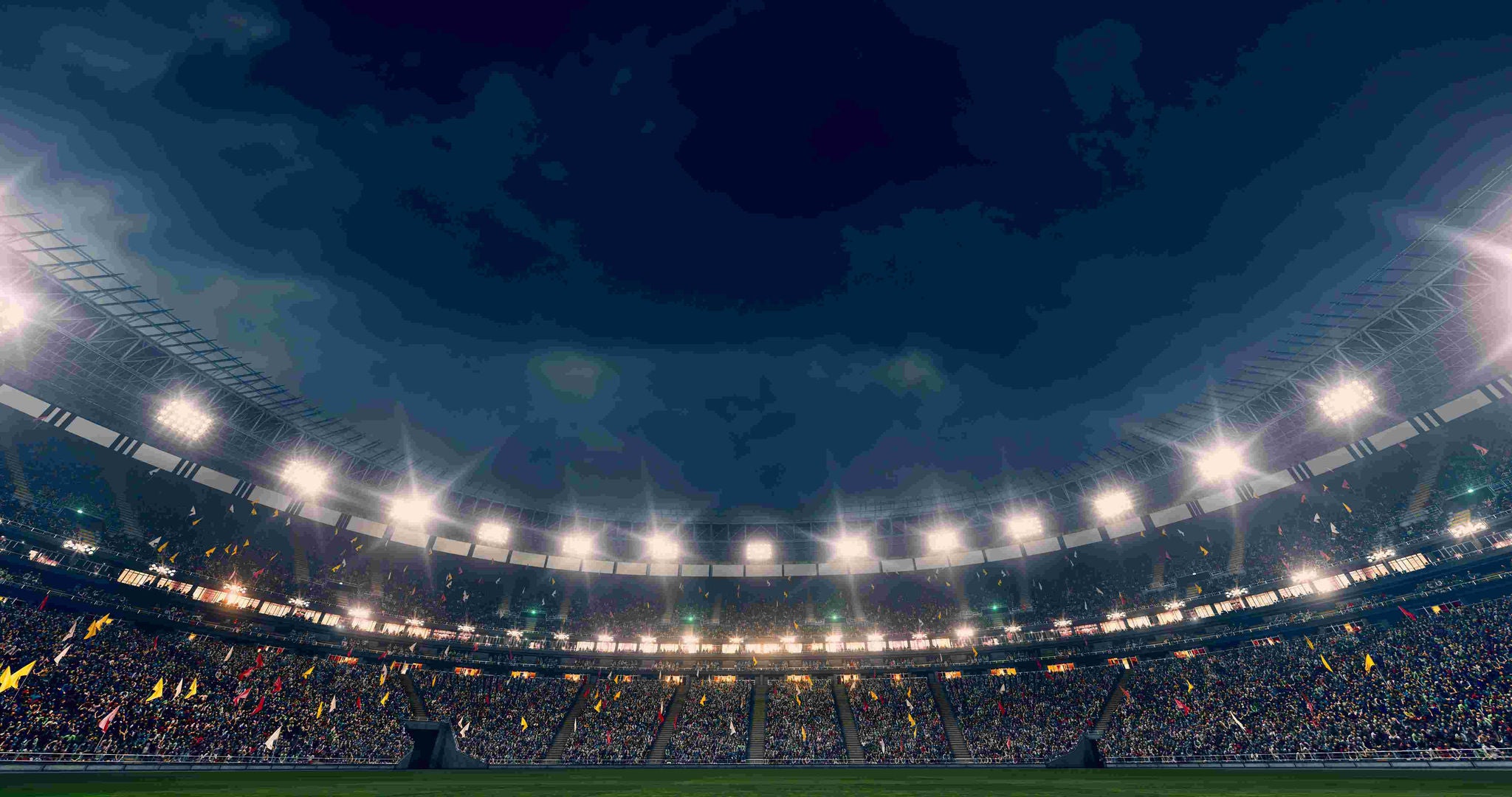
It was a very big year for soccer, and the spending map made that obvious. Certain cities saw international crowds swell around their biggest stadiums, and for several countries, a striking share of U.S. spend clustered right there. Norwegian visitors in particular concentrated their spending around a handful of stadiums. Wherever the action was, the wallets followed.

Baseball worked the turnstiles, too. Eight of the top 30 destinations by transaction count were ball fields, and the sport accounted for 6% of Japanese visitors’ dining and recreation spending, a devotion that traveled straight from Tokyo to the bleachers. Japanese fans flocked to see the Dodgers, while Brits and Norwegians packed the stands for the Red Sox, ringing up 15,000 transactions at one storied Boston ballpark alone. Take them out to the ballgame, indeed.


Where the world ate and drank

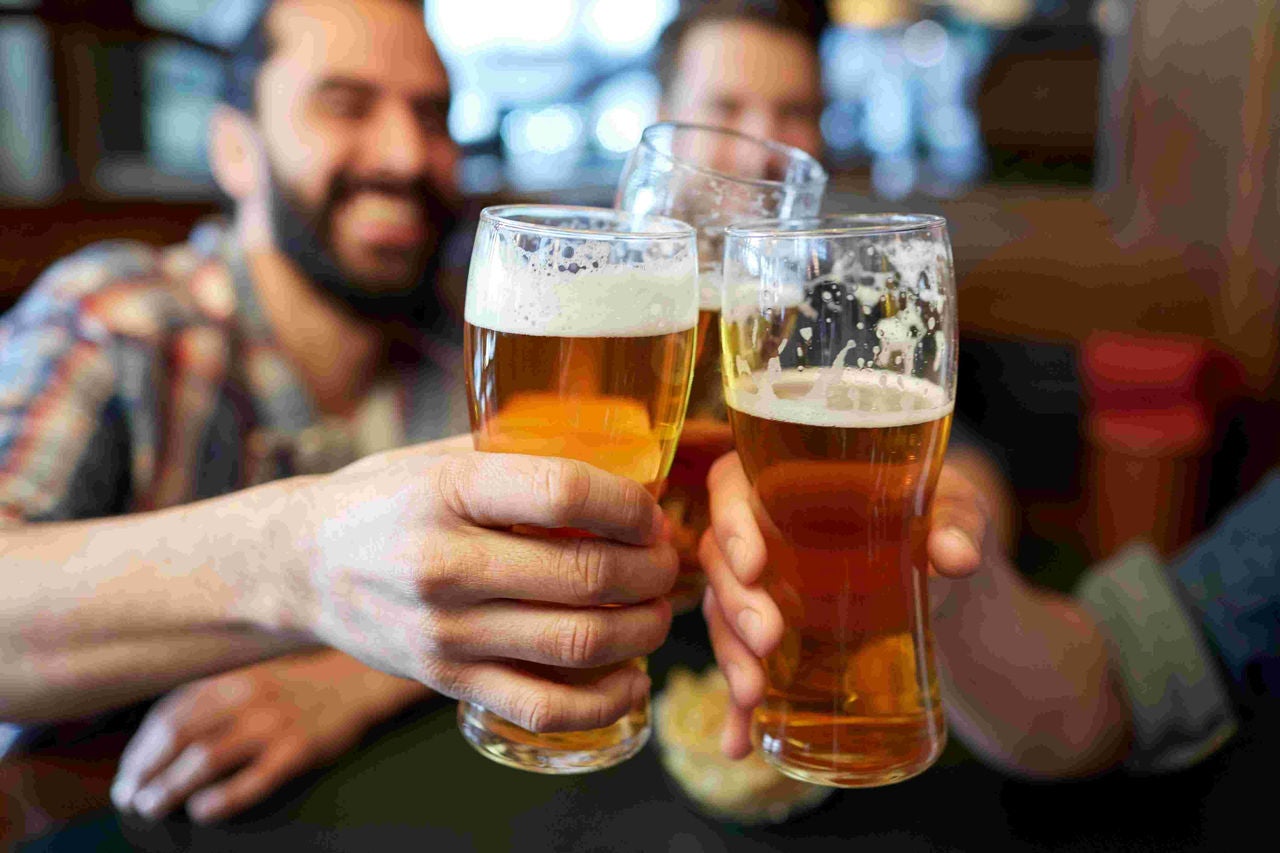
Speaking of Boston: One Irish pub in the city recorded more international transactions than any other restaurant or bar in America outside of event venues, and that happened in a barroom that seats 258. To put that in perspective, the spending there across June and July was equivalent to about 27,000 pints, comfortably more than any single bar has a right to pour in a summer. Irish pubs clearly had a moment nationwide, accounting for nine of the top 15 bars visited by tourists, but Boston owned it, laying claim to six of the top 15 by itself.

Tastes traveled, too. Japanese visitors spent big on steak, with steakhouses claiming 10% of this group’s restaurant and bar spending. Portuguese visitors went another way entirely, seeking out Korean barbecue, hibachi, Vietnamese and Thai. And barbecue told a very regional story: It accounted for just over 1% of national restaurant spend but nearly half of every restaurant dollar in Kansas. Farther south, Dallas claimed the smokehouse crown, with more total spend on barbecue than any other city. Low and slow, apparently, travels well.


Bucket-list America

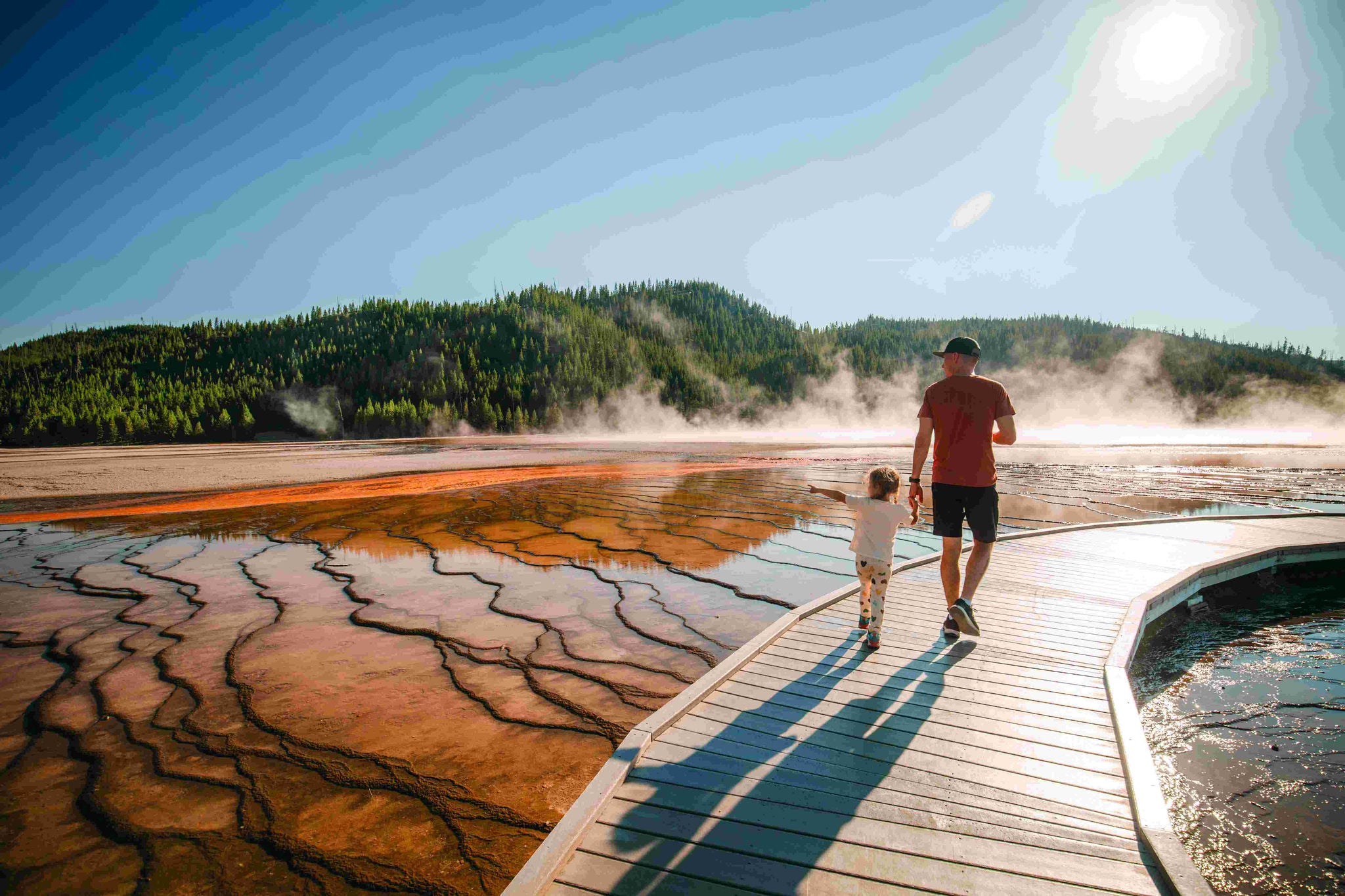
For a lot of visitors, the itinerary read like a postcard rack. European travelers headed straight for the wide-open spaces: Belgian, French and German visitors posted the highest share of restaurant spending inside U.S. national parks, trading city lights for canyon overlooks. Yellowstone, in photo below, and the Grand Canyon led the pack, the latter ranking 19th for French visitors and 21st for Belgians, far above its overall ranking (133rd) across visitors from other countries. Turns out the natural wonders play very well in translation.

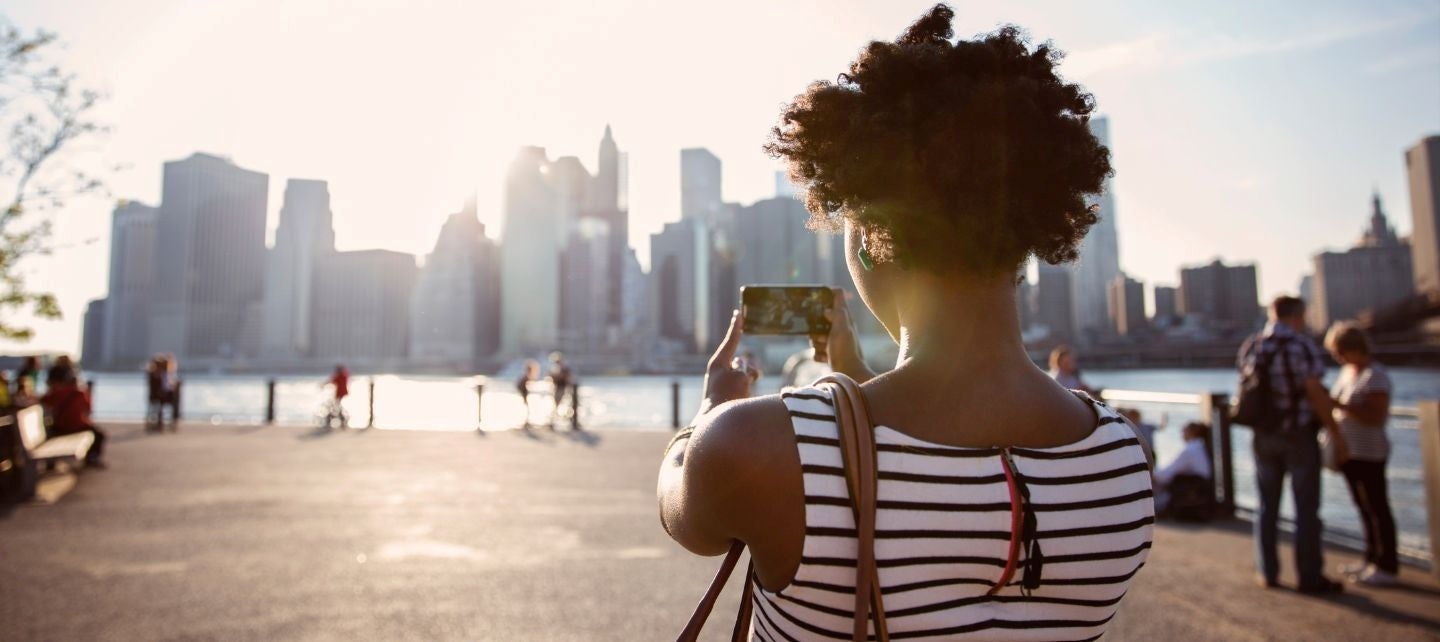
The summer’s other most visited attractions ranged from space centers to New York’s observation decks, including the Empire State Building, from Hollywood studio tours to Nashville’s Country Music Hall of Fame. Something for the space nerds, the skyline chasers, and the honky-tonk crowd alike.


A tale of two cities: New York and Boston

It wouldn’t be an American summer without a New York–Boston rivalry, and the visitor insights kept the score close. New York claimed the lion’s share of several countries’ spending, drawing 34% of Norway’s U.S. dollars and 23% each of Spain’s and France’s. When international visitors picture America, the Empire State Building still casts a long shadow.

But Boston refused to sit in the cheap seats. The city captured 4% of all visitor spend, and far more from the travelers who loved it (and, apparently, beer) most: 14% of Norway’s dollars and 6% of the U.K.’s. Boston was home to six of the top 15 bars visited by tourists, and a particular magnet for Portuguese visitors, who gravitated toward the area near Fall River, the most Portuguese city in America. Smaller market, bigger swing.


The takeaway

America spent the summer marking 250 years. The signals show that the world marked it right along with the U.S. — one ballgame, one round, and one scenic overlook at a time. The milestone was the excuse, but the real story was the guest list, and just how far people traveled to be part of it.

Amid uncertain world, travelers shift plans but not intent

The Mastercard Economics Institute’s travel report shows how exchange rates, AI and geopolitics are reshaping where people go without slowing travel demand.
A woman walks through an airport with parked planes in the background.