Year in review

December 29, 2025


From market stalls to tech hubs: On location at the world’s digital frontlines

This year, the Mastercard Newsroom hit the road, exploring how digital innovation is transforming commerce.

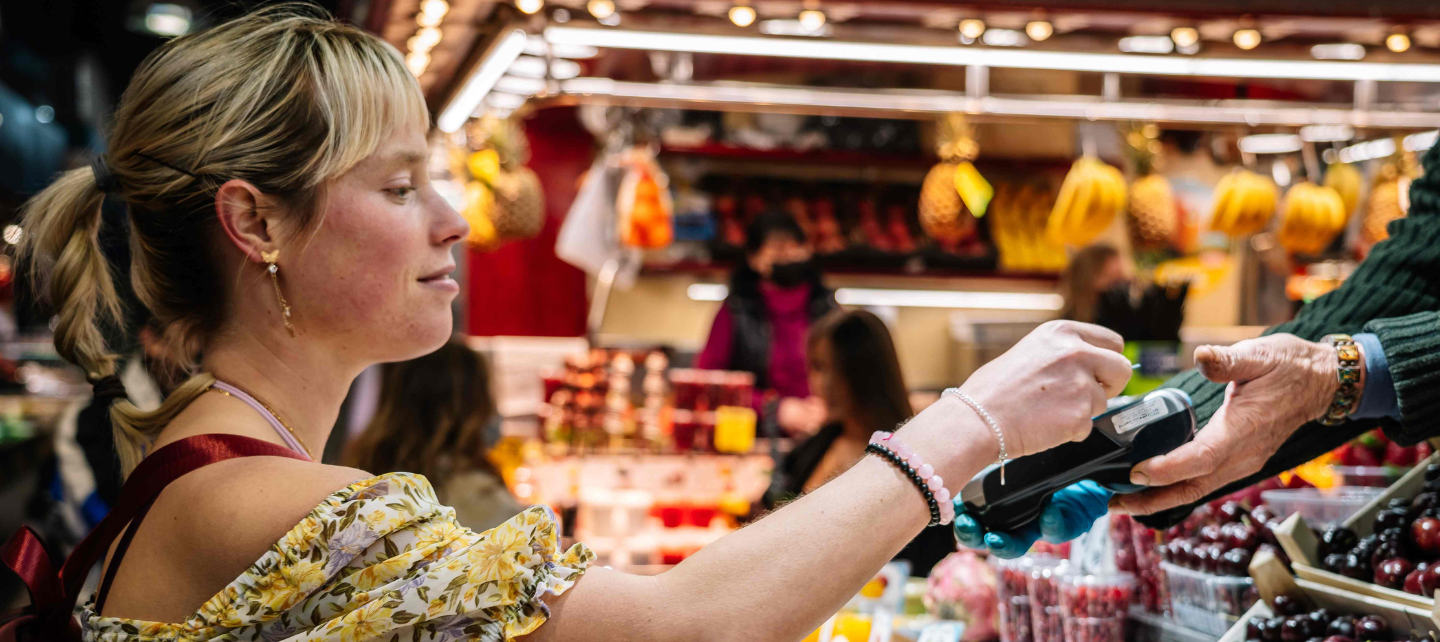
A woman pays for a purchase at Barcelona's food market with a contactless card.

Caroline Morris

Contributor

This year, the Mastercard Newsroom travelled the world to discover how people are using the wealth of digital technologies at their fingertips to change how they pay, travel and play. We also went behind the scenes to meet the people and better understand the technology driving global payment systems and ensuring the billions of digital transactions processed each year are secure and seamless.

From a luscious food market in Barcelona to an automotive festival in England to Mastercard’s nerve center in St. Louis, here’s how digital technologies are making a difference. 


Once the site of a Midwest turkey farm filled with thousands of squawking birds, Mastercard’s St. Louis Tech Hub is now the nerve center of its global payments network that processes billions of transactions each year.

Thanks to the team of technologists and engineers that monitor Mastercard’s global network processing and security operations, people can use their card to pay day or night and know transactions will be processed in milliseconds.

From vast generators to a 10-acre man-made lake to cool the systems, the data center has a raft of contingencies in place to ensure payments can continue under almost any scenario.

Now, the St. Louis team is looking at ways to help Mastercard speed up transactions and make its systems more resilient so that small businesses can get paid quicker and economies operate efficiently.

“We have a dual charter,” says Ed McLaughlin, Mastercard’s chief technology officer. “Run the business while we build the future.”


Tracking threats in Massachusetts

In Somerville, Massachusetts, in a former laundromat and one-time recording studio where “Stacy’s Mom” had it going on, cybersecurity experts are hard at work at Recorded Future, the world’s largest threat intelligence company acquired by Mastercard a year ago. The Mastercard Newsroom took a tour, speaking to experts and exploring demos to learn how the company pieces together information from across the internet to get ahead of threats and fight new ones. 

A man looks at a laptop in an open office.


Drawing over 15 million visitors a year, Barcelona’s rich gastronomic culture is a major attraction for food lovers who can take their pick from no-frills bars dishing up tapas to upscale Michelin-starred venues.

Spain’s second-largest city was founded as a Roman colony two millennia ago, but the rapid rise of digital tools in the last few years is making it easier than ever for tourists to dip into its culinary heritage.

Food lovers who make the pilgrimage to La Boqueria, the city’s 800-year-old market, can turn to dining apps to find a nearby spot to try cod croquettes and jamon Iberico. Multi-currency mobile wallets make it easy to pay the check for lunch while banking apps with built-in budgeting tools cut the risk of overspending. In the evening, travelers can turn to apps like Bandsintown to score last-minute concert tickets and rely on rideshare platforms like FreeNow to get safely back to their hotels.

Importantly, digital tools can boost business for Barcelona’s bars, stores and restaurants, plus make it easier for local taxi drivers to find passengers.

“I get so much more work through it,” says minivan driver Marc who uses FreeNow.  “It’s also super safe and secure.” 


This summer, 150,000 gearheads descended on the Goodwood Festival of Speed in West Sussex, U.K., to watch some of the world’s greatest performance cars as they roared past, billowing clouds of exhaust.

Alongside the noisy Formula One racers and classic sports cars, the Hyundai Ioniq 6N electric vehicle  brought a unique fun factor when it made a quiet debut.  Drivers of the near-silent EV who miss the purr of a traditional car engine can now choose to pipe in simulated engine tones, from futuristic revs to jet-engine-like screams.

This growing trend towards software-defined vehicles, in which manufacturers use over-the-air updates for new features and functionality, could help create a new automotive digital marketplace. Paying for gas, parking or a toll from your dashboard is only the start: Like picking a novel mobile ringtone, in-car commerce means drivers may soon be able to pay to personalize their cars so they look, sound and work better for longer.


In North Carolina, in-car commerce is gaining traction

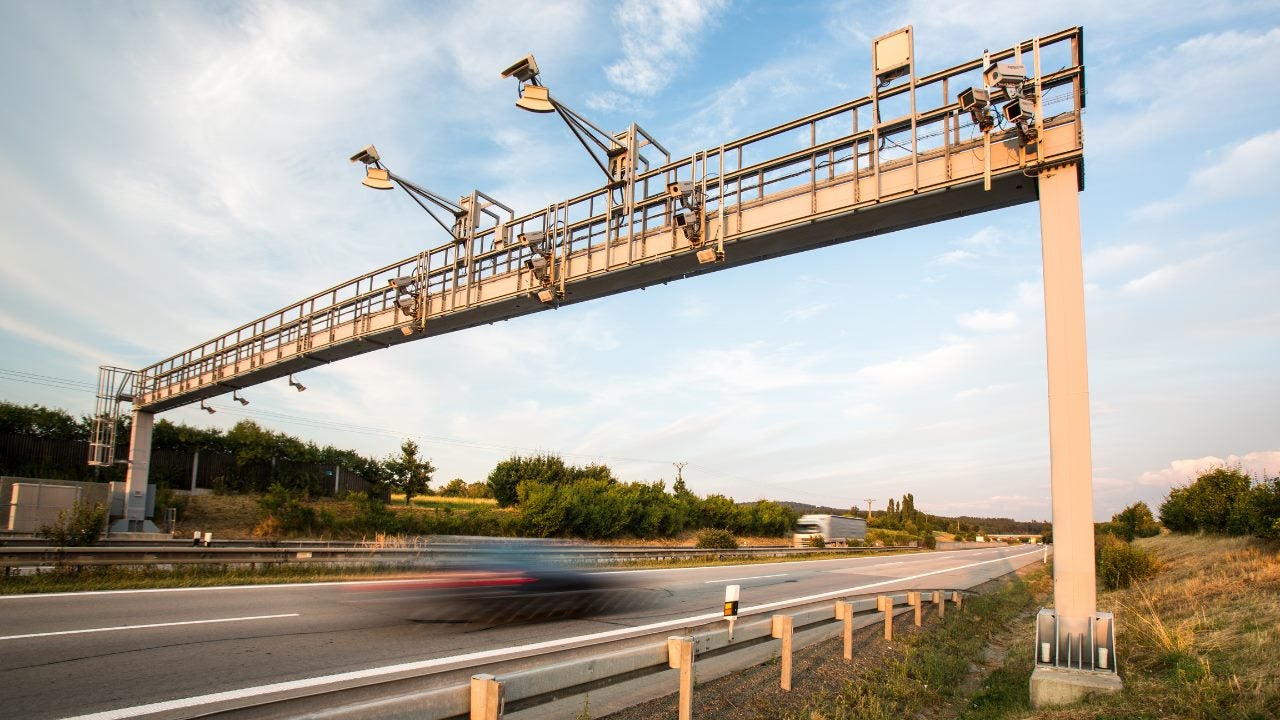
In North Carolina, Mastercard launched a new pilot program with Volvo Cars and the North Carolina Turnpike Authority that could make your toll transponder as outdated as your car’s CD player. The new system relies on a combination of in-car software, GPS and the latest in secure mobile payment technologies to pay tolls.

A car speeds beneath a toll gantry equipped with cameras on a highway.


The year in cyber: New threats, new tech, new tactics

Advancements in AI are helping organizations detect threats earlier while new collaborations are chipping away at the proliferation of text scams.