Inclusion

From access to value: the role of acceptance

At Mastercard’s Q3 Global Financial Health Coalition convening held on September 21, members explored how trusted, everyday payment acceptance can turn access into real value for people and small businesses.

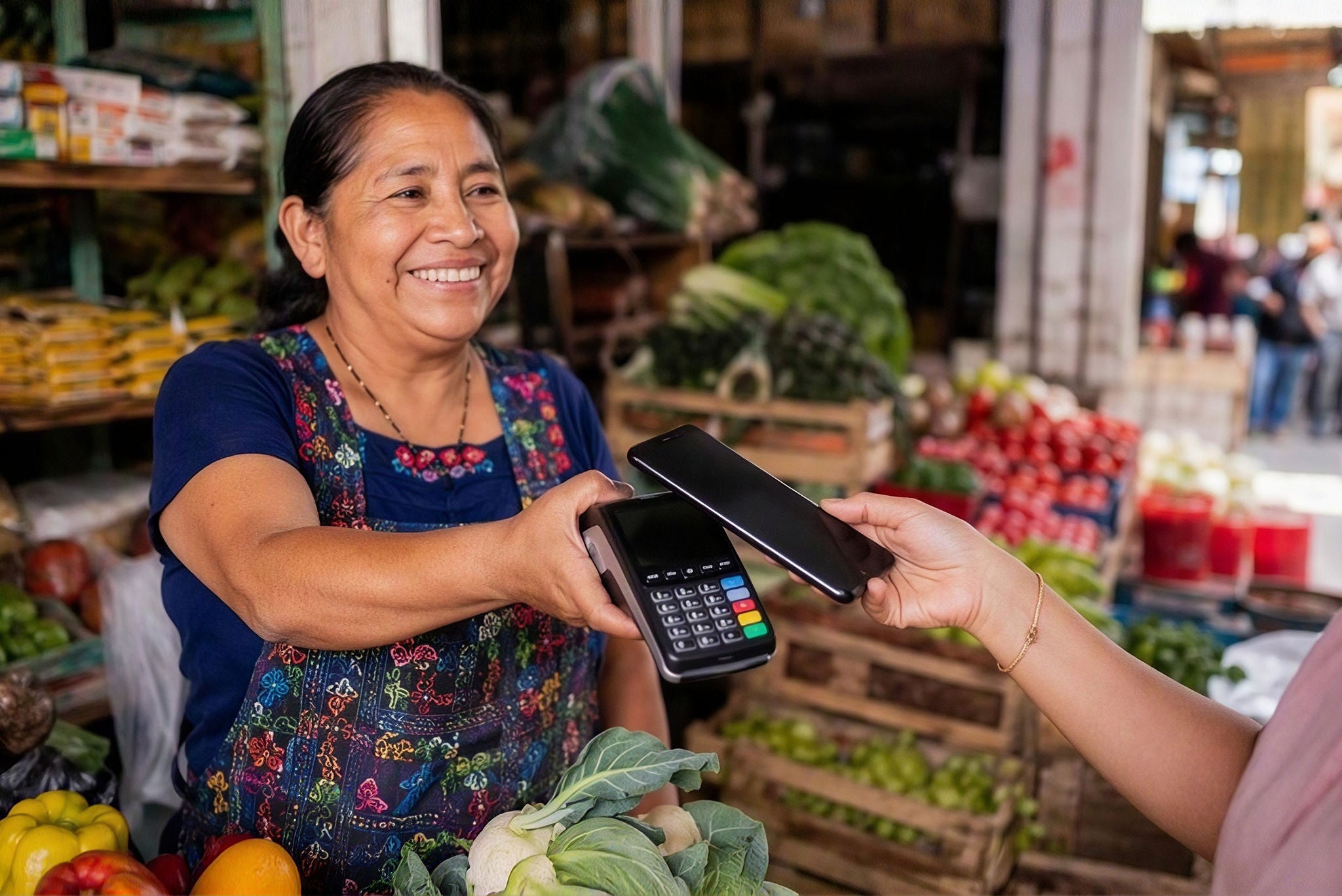
For a small business owner, the value of digital payments is measured in everyday moments: getting paid quickly, restocking inventory, serving more customers and accepting the payment method that works best for them. For individuals managing tight household budgets, value shows up in the ability to receive funds, pay securely and participate with confidence in daily financial life.

That is why acceptance matters. When digital payment tools are widely accepted, easy to use and connected to real-world needs, they can turn access into everyday utility – helping people participate more confidently in their financial lives, helping small businesses grow and building financial health for all.

Start with the moments that matter

Several examples discussed during the convening highlighted the importance of beginning with the moments where users feel friction most. For the financial inclusion account DOSH, powered by allpay, that means supporting people who may be left out of traditional banking because they lack conventional identification, have thin credit files or have been pushed back toward cash. The prepaid Mastercard account supports the full user journey, from first access and everyday money movement to benefits access, trusted support and financial education, helping people build confidence, control and resilience over time.

“Acceptance is about giving unbanked and underbanked users the confidence, control and dignity to participate in everyday financial life.” 

Simon Thomas, allpay

For small businesses, acceptance creates value when it is integrated into the mobile-first tools they already use. AXIAN’s work with Mastercard through its Mixx and MVola platforms is expanding digital payment acceptance across its African markets, helping merchants receive payments and access services such as collections, bulk disbursements and business-management tools. By connecting acceptance with a broader ecosystem of financial services, these platforms can help entrepreneurs and SMEs participate more fully in the digital economy and build stronger, more resilient businesses. This creates an opportunity to deepen merchant value further through enhanced business tools, working-capital solutions, and access to credit.  

“For small businesses, acceptance is only the starting point. The opportunity is to build mobile-first, interoperable solutions that help merchants get paid, manage their businesses and access the tools they need to grow.” 

Elias Yazbeck, AXIAN

GrabFin, the financial services arm of Grab, a leading superapp in Southeast Asia, points to another replicable insight: merchants stay engaged when acceptance helps them grow. Fast settlement eases cash-flow pressure, demand generation can turn digital participation into incremental sales, fraud protection builds trust, and payment data can support better underwriting and more relevant credit over time.

“Merchants use digital payments when those tools help them generate demand and enable access to credit. This allows merchants on our platform to run a stronger business.” 

Kell Jay Lim, GrabFin

What makes these models replicable

One model will not fit every market. Acceptance creates user value when it follows repeatable principles: reduce entry barriers, build on trusted local behaviors, make digital payments useful in everyday settings, move funds quickly, protect users from fraud, and connect transaction activity to education, benefits access, working capital or credit.

Several examples highlighted during the convening focused on addressing specific user pain points, supporting everyday utility and exploring ways to build financial resilience over time.

Measuring value, not just volume

To understand whether acceptance is improving financial health, metrics must also evolve. Transaction volume is only one signal. Stronger indicators include incremental sales, cash-to-digital shifts, settlement speed, repayment behavior, use of value-added services, fraud reduction, active merchant growth and evidence that digital participation is strengthening resilience.

Ultimately, acceptance can help close the gap between digital access and financial health. When payments work securely, seamlessly and where they are needed, they create more than transactions. They create everyday value, helping people manage their money with confidence, helping small businesses grow and helping digital economies become more inclusive by design.

Interested in learning more: contact Global.Financial.Health.Coalition@mastercard.com

*Disclaimer: This document is provided for informational purposes only and reflects the discussion at the Q3 Global Financial Health Coalition Convening. Participants remain independent and must make their own commercial decisions. Nothing in this document should be understood as an agreement or recommendation concerning commercial strategy or other competitively sensitive matters. Any confidential or proprietary information shared during the meeting should be handled in accordance with the applicable confidentiality requirements.