Building stronger relationships starts with understanding what subscribers want
Published: April 17, 2026
Subscription spending continues to climb, even as consumers are keeping a closer eye on their budgets.
Mastercard’s report with FT Strategies, Subscription economy: Redefining relationships, found that 44% of U.S. consumers spent more on subscriptions in 2025 — an average of $1,887 annually, up from $1,416 in 2024.
But that growth comes with a catch. Average monthly churn has risen to 20%, and more than half of U.S. businesses report that at least 10% of their subscribers are inactive. We see this same pattern of subscriber spend growth and increased churn play out in regions across the globe.
For merchants, customer acquisition is only the starting point. To improve retention and lifetime value, you’ll need to offer the flexible, transparent subscription experiences that customers now expect.
Easy subscription changes build trust at sign-up. When subscribers know they’re in control, they’re more willing to commit and more inclined to re-subscribe later.
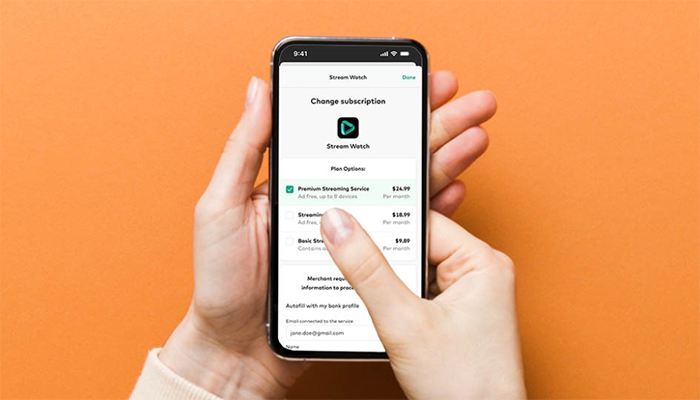
By offering this visibility and flexibility where customers already manage their finances — in banking apps — you can lay the groundwork for stronger relationships.
When budgets tighten or needs change, customers don’t always cancel subscriptions directly with the merchant. Keeping track of recurring payments can be confusing, especially as consumers manage subscription plans across a growing number of platforms and services. That pushes customers toward finding the fastest way to cancel a payment: blocking or disputing the charge through their bank.
In some cases, customers recognize a subscription charge but no longer want the service and are looking for the quickest way to cancel. Instead of going through the merchant — which can be time-consuming and confusing — they simply block the payment to the subscription provider.
That shortcut has real consequences for merchants. Half of Gen Z say they block payments to cancel a subscription, leaving little opportunity for merchants to retain the relationship or win the customer back later.
In other scenarios, customers block or dispute a recurring subscription charge simply because they don’t recognize it. They may have signed up for a free trial months before or forgotten about a service they no longer use. Without context, they assume the transaction is fraudulent.
In fact, 25% of global consumers have blocked a payment they believed was fraudulent, and 29% have disputed a recurring payment for the same reason. Younger consumers are even more likely to act, with 37% percent of Gen Z saying they’ve disputed a charge or blocked a payment they believed was fraudulent.
Disputing or blocking subscription payments — whether they're unwanted or unrecognized — can lead to unnecessary chargeback costs for merchants. Worse, you may lose customers who never intended to cancel or leave for good.
Consumers are looking for simpler ways to manage their subscriptions, and many want to do it right from their banking app. Globally, 77% of consumers want to view and manage all of their subscriptions in their banking app, and 39% would even consider switching banks for this feature, according to research from Mastercard and Datos Insights.
By making subscriptions easy for customers to manage within trusted, high-use banking channels, you can:
Signing up for a subscription can feel like a big commitment, but customers are more willing to take the leap when they know they can easily adjust or cancel a subscription later if needed.
For example, a customer may feel more comfortable trying a new gym membership knowing they can easily pause, downgrade or cancel it through their banking app as their monthly budget shifts.
This flexibility is a top priority for consumers: 74% say they’re more likely to sign up when the cancellation process is easy, and 70% say they’re more likely to resubscribe for the same reason.
What this means for merchants: Easy subscription management through the banking app helps you get more subscribers in the door, so you can focus on growing and nurturing those relationships.
Providing more context around subscription payments in a customer’s banking app can help avoid confusion and disputes. Beyond basics like the merchant’s name, offering information like renewal dates, opportunities to upgrade plans and retention offers can help users stay in control and manage subscriptions with confidence.
Case in point: 67% of consumers say they would dispute fewer charges if the information had been available in their banking app.
What this means for merchants: Increased transparency and control makes customers less likely to block or dispute a payment. Instead, it encourages them to take constructive next steps, like changing the payment card, adjusting the billing date or reaching out to you directly to update their plan.
Customers want to manage subscriptions on their terms, not feel locked in. By making it easy to pause a subscription within their banking app, you can preserve the relationship and encourage them to return when the timing is right.
This flexibility drives retention and also shapes how customers view your brand. Overall, 64% of consumers say they would have a more positive opinion of the subscription merchant if it were easy to pause or cancel, and 34% say they would stay subscribed if they could pause rather than cancel.
Embedded subscription management also creates new opportunities to incentivize customers. Two-thirds of users would stay subscribed for a reduced-price offer, and around a third would stay subscribed for loyalty rewards or tailored pricing options — all available directly in their banking platform.
What this means for merchants: Banking app integration keeps you connected throughout the subscription journey, enabling you to re-engage customers with timely, personalized offers.
Today, to turn sign-ups into lasting relationships, merchants need to make the experience seamless from start to finish.
Mastercard’s Smart Subscriptions is embedded directly in digital banking apps, helping you offer streamlined, self-serve subscription management to your customers. By giving customers clear visibility and flexible controls to track payments, you can reduce payment stops, lower chargebacks and improve retention and reacquisition.
Ready to grow your subscription business? Learn more about how Mastercard’s Smart Subscriptions can help.
Rising churn and customer demand for flexibility are putting pressure on subscription businesses. Effective subscription management reduces confusion, prevents unnecessary disputes and payment stops, and helps turn sign-ups into long-term customer relationships.
Embedding subscription management in digital banking channels gives customers greater visibility and control over their recurring payments. When customers can clearly see subscription charges and pause or cancel services directly from their banking app, they are less likely to stop payments or dispute transactions, helping merchants reduce chargebacks and protect revenue.
Merchants can offer a positive brand experience by providing visibility and transparent billing for customers. Embedding subscription management in banking apps also allows merchants to offer targeted incentives like pricing offers that encourage customers to stay subscribed or resubscribe in the future.