White paper

Digitalizing the public purse: The next generation of G2P payments

Mastercard for government
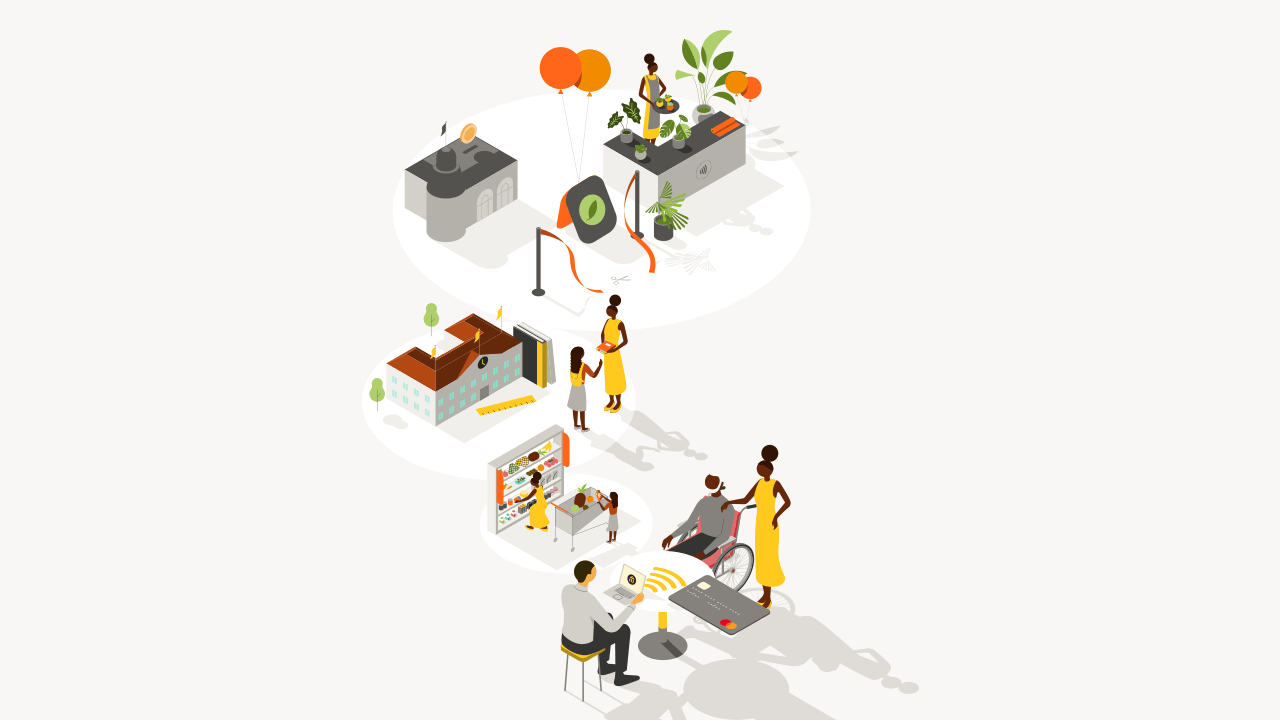
Economic and social activity illustration.

Introduction

From crisis to a crossroads

As Paul Romer, the Nobel Prize winning economist, wisely noted, “A crisis is a terrible thing to waste.”1 The upheaval and rapid economic scarring posed by the COVID-19 pandemic compelled government officials to re-evaluate emergency response at an unprecedented pace. As a result, the swift and significant changes have markedly improved the method and infrastructure utilized by governments to make payments to citizens and businesses.

Across an eight-month period from April–December of 2020, governments in 215 countries and territories mobilized to spend an estimated $800 billion on social protection payments, reaching over 1.1 billion people, or approximately 14% of the world’s population.2 Fast forward to today, over a quarter of the global adult population are recipients of government payments.3

While the health and economic dangers posed by the pandemic have receded, the case for the public sector to maximize efficiency and effectiveness of their payments to citizens has only grown stronger, as governments are tasked to deliver more with less while citizen scrutiny of public sector proficiency is on the rise.

When evaluating the benefits and obstacles to digitalizing government payments, a holistic approach should be adopted to consider the efficiencies gained and the broader economic impact of payment programs. By understanding how digitalizing these payment flows can serve as an economic multiplier, we can better assess their ecosystem-wide benefits. Digitalizing government-to-person (G2P) payments, from welfare to pensions or wages to tax refunds, provides benefits to governments and citizens while providing a catalyst for economic growth.4

GOVERNMENT-TO-PERSON (G2P) PAYMENTS

Pensions

Illustration man in wheelchair.

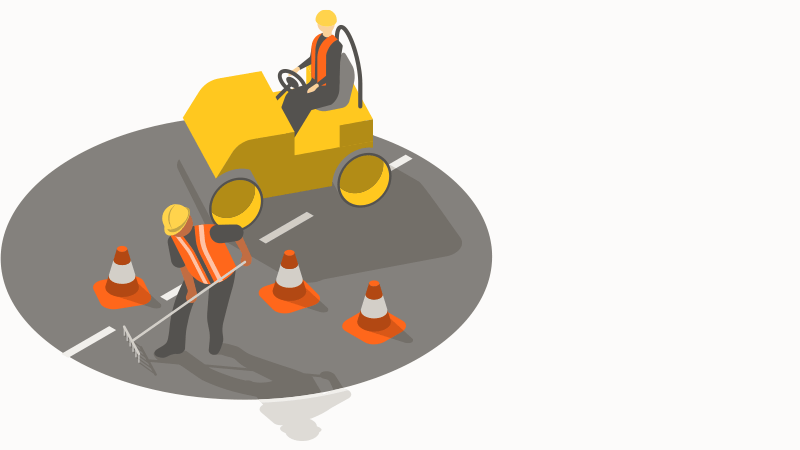
Wages

Illustration construction workers.

Stimulus

Illustration government building.

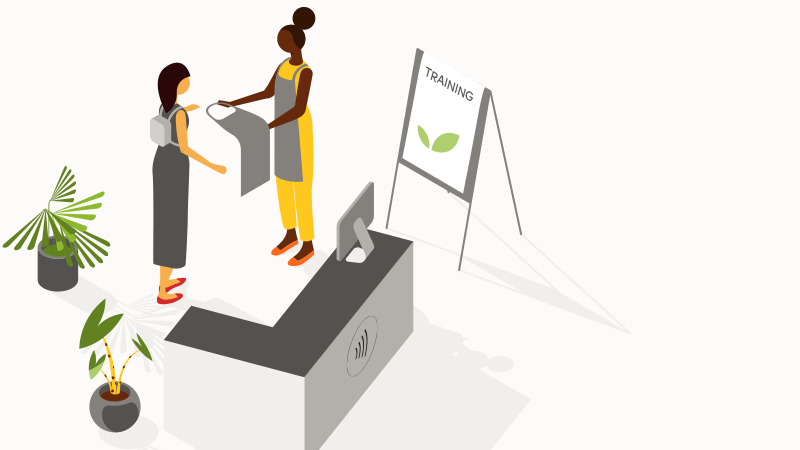
Welfare

Illustration training session at retail shop.

Tax refunds

Illustration man using laptop at table.

Subsidies

Illustration women at food bank.

Mastercard for Government collaborates with government departments, public sector agencies, international institutions and financial services companies to harness our global network, insights and technologies to streamline government payments, simplifying the delivery of essential public services while expanding access to the digital economy and supporting inclusive economic development.

In this paper, we share our vision for driving forward more transparent, efficient and inclusive governance through digital G2P payments. Drawing on Mastercard insights and perspectives from our partners around the key trends shaping the future, we seek to demonstrate how payment innovations can facilitate more transparency in government, bring more citizens into the digital economy and accelerate economic activity.

Benefits for Government

Transparent, efficient and impactful

Mastercard’s experience supporting national, state and local G2P payment programs has shed light on three critical areas in which the public sector stands to benefit from digitalizing its payments to citizens. Digital G2P payments and programs provide:

  1. More transparency
  2. Increased administrative efficiency
  3. Greater impact

More transparency

A G2P payment program that disburses funds to citizens, employees, pensioners or beneficiaries in cash is more liable to corruption and fraud, especially in lower-income countries.5 Digitalizing G2P interactions allows governments to increase the transparency and traceability of payouts, decreasing the possibility of “ghost” recipients.

In one illuminating study in India, researchers analyzed the state’s return on investment after the federal government transitioned its pension payments from cash to digital over the course of a decade. The findings revealed internal fraud and leakage fell by 47%, while millions of dollars were saved in administrative expenses.6 The study showed the upfront costs for the digitalization program were more than warranted while demonstrating the tremendous impact a digital footprint can have on fraud prevention.

Several women smiling.

Fraud prevention technologies that require users to input unique identifiers at the point of sale, such as chip and pin or advanced biometrics, contribute to enhancing the transparency of a G2P payments program. With enhanced digital eligibility verification and deduplication, administrators can ensure allocated funds reach target beneficiaries, ensuring money is not wasted.

Since 2020, the Romanian Ministry of EU Funds has aimed to increase administrative efficiency and to reduce misuse of funds since transitioning cash and paper vouchers to prepaid cards with chip and pin protection.7 The program targets low-income elderly and homeless individuals. While launched during the pandemic emergency, the success of the program has led to the expansion of digital payments capabilities to other Romanian social welfare beneficiaries.

Today, prepaid cards are being deployed across a range of social welfare support programs in Romania including for payments for school supplies for children of low-income parents, food support for those who are at risk of poverty, support for newborns and funds for schoolteachers’ professional development.8 The various card programs in Romania are an example of how transitioning welfare payments from cash to prepaid cards allows administrations to effectively track, trace and ensure public funds are reaching those most in need.9

Where are biometric payments heading?

Biometrics-based technologies can facilitate a more secure way to recognize individuals and verify their identity compared to vulnerable passwords. Worldwide, security-conscious citizens are embracing these technologies. According to a Mastercard survey, 74% of global consumers have a positive view of biometric technology, with the market projected to surpass $18.5 billion by 2026.

In several countries around the world, biometric payment authentication methods including fingerprint, palm scan, face scan and iris scan, are being piloted to advance the technology and its use cases. The future of G2P biometric use cases continues to evolve, with the potential to bring greater convenience and security to recipients, while enhancing fraud detection and reduction for administrators.

Source: Mastercard.

Furthermore, Posta ve Telgraf Teskilatı (PTT) AS, the national post and telegraph agency in Turkey, has observed how digitalization can lead to fraud reduction first hand. The agency is increasingly integrating digital technologies via prepaid cards, mobile payment solutions and direct bank transfers for its eight million monthly beneficiaries. As the entity shifts its physical or hybrid payment methods to become entirely digital, a data-trail has been established via record of digital transactions. This in turn has led to greater traceability and transparency, resulting in higher confidence levels in Posta ve Telgraf Teskilat AS a trusted issuer of government payments, as well as the broader Turkish financial ecosystem.10

Increased administrative efficiency

The fiscal savings and potential for efficiency gains attributable to digitalizing government payments has been well documented over the past decade by international organizations, institutions and academia.11

IMF researchers found that digitalizing government payments in emerging markets, specifically, could boost GDP by approximately 0.8% to 1.1%, equivalent to $220–$320 billion annually.12 End-to-end digital infrastructure eliminates the need for cash and check distribution, saving time for officials and allowing recipients to spend via online and brick and mortar locations.

Man billing women.

For instance, in 2015, seven years after the program’s launch, the U.S. Treasury Department estimated that sending the 53 million checks replaced by the Direct Express® program would have cost the government approximately $66 million.13 This is well illustrated in the United States, where the Direct Express® Prepaid Debit Mastercard program, administered by the U.S. Treasury Department, provides millions of beneficiaries with Social Security, Supplemental Security Income (SSI) and other types of government benefit payments.14 This electronic distribution of funds has resulted in significant cost savings for the federal government.

Direct Express®

Digitizing federal benefit payments in the U.S.

$40b

disbursed via prepaid cards in 2022

$150m

saved for Americans annually, approximately

1 million

cardholders downloaded and activated the Direct Express® DX℠ mobile app on their smart device, as of 2023

Source: Direct Express® Program; Direct Express® Saves Americans $150 Million Annually (The Greensheet).

Digitalizing these payments has allowed local U.K. authorities to alleviate the costs of financial processing, reducing charges associated with financial controls while enabling efficiencies in comparison to cash or check processing.15 Digitalization has simplified a previously complex paper-based method of tracking, running audits and managing expenditures. In the United Kingdom, public sector agencies are also deploying digitalization solutions to offer better G2P payment services at a lower cost. NEPO supports over 100 English public sector bodies to streamline G2P payments to recipients.

Additionally, in Argentina, one of the first countries to leverage digital identification technologies to improve the efficiency and targeting of G2P pension and welfare programs, the government successfully identified inclusion errors across multiple G2P payment programs. According to The World Bank, through digitalization and identity verification, the government saved approximately $303 million over an eight-year period, which is about eight times the $38 million in World Bank funds deployed to implement the project.16

Greater impact

Finally, digitalization allows governments to deliver greater impact by accurately directing support for those eligible while ensuring the use of funds are for the purpose intended.

Through a combination of greater controls, increased precision and speed, and highly targeted data insights, digitalization offers governments the opportunity to drive and deliver specific policy objectives. With fiscal budgets increasingly restrained and public scrutiny of government expenditures on the rise, the ability to deliver greater impact from digitalized G2P programs will become increasingly important.

Girls getting coffee.

Spending controls can help to address specific policy goals for a particular program, be it supporting small business ecosystems, brick and mortar establishments, or specific subsets of the economy, such as cultural institutions or food and services. With clear parameters, these technologies help to restrict the misuse of funds and facilitate the ability to track how program goals are being met. For example, spend can be diverted and filtered to be used at relevant businesses, while cash access can be restricted, if required. Furthermore, transaction limits can also be introduced through G2P programs deploying prepaid cards.

In Germany, Mastercard has collaborated with several municipalities to streamline social welfare and protection payments to those in need, including refugees and asylum seekers, resulting in a change in federal German law to allow refugees to receive benefits via a payment card.17 In 2024, the Free State of Bavaria and various municipalities across the states of Saxony, North Rhine-Westphalia, Thuringia and Mecklenburg-Vorpommern launched pilot programs to provide prepaid payment cards to refugees to be used in retail stores and vending machines. As of end of 2024, more than 125,000 payment cards have been issued and over 110 service authorities connected.18

The card’s prepaid function allows the district administrations to individually top-up or unload funds, significantly reducing administrative effort compared to distributing cash.19 Most importantly, however, the spending controls have helped German public bodies tackle public misperceptions around the misuse of funds by refugees, while providing targeted, timely support to migrants in need.


Toka: Transforming G2P payments in Mexico

A child hugging mom.

1 million

beneficiaries

$1.5b

MX$ disbursed annually

G2P payments span scholarships and welfare for single mothers

Source: Toka.

And in Mexico, Mastercard partner and financial solutions provider Toka, a fintech that facilitates approximately 1.5 billion MX$ in G2P payments for one million beneficiaries across the country annually, has also observed the power of implementing controls. Through digitalized G2P payment programs, illicit purchases as otherwise possible with cash have been removed, allowing governments to have greater impact than a cash payment would provide.20

In instances where administrators are seeking to control and monitor the effectiveness of G2P programs, these controls can be a powerful precursor to catalysing spend with small businesses and other merchants while providing rich insights to understand the effectiveness of such initiatives.

In 2020 in Jersey, Channel Islands, at the height of the COVID-19 pandemic, Mastercard prepaid cards were distributed to the island’s 105,000 citizens and pre-loaded with £100. The funds could be spent in store with retailers on the island, over the phone and online with locally registered businesses. The scheme reported having a £10 million multiplier effect on the local economy, benefiting over 2,000 businesses.21

Another impactful program in Los Angeles that rolled out at the height of the pandemic, the Angeleno Card, revealed the power of payments data in informing the municipality on where to direct targeted support for those most in need. With robust performance tracking of where citizens were utilizing funds, the city was able to uncover that approximately 40% of payments were spent on food, followed by 15% across retail and discount stores.22

When G2P payments are digitalized, they create a digital trail that can provide near real-time data on program outcomes. Digital payments provide us the opportunity to jointly generate insights to help agencies navigate shifts in citizen behavior and economic volatility. This enables agencies to monitor and evaluate program performance and impact, while potentially replicating successful programs elsewhere.

Benefits for Citizens

Inclusive, convenient and empowering

With a firm commitment to bringing more citizens into the digital economy, Mastercard for Government’s findings validate the three critical areas in which citizens can benefit from governments digitalizing G2P payments:

  1. A gateway to financial inclusion
  2. Greater convenience
  3. Economic empowerment

Across multiple different payment methods and infrastructure, digitalization not only unlocks benefits for administrators, but recipients, too.

Women using Mastercard.

A gateway to financial inclusion

One of the most powerful arguments for digitalizing G2P payments lies in the quantifiable financial gains brought to citizens by promoting access to digital payments. Surveys conducted across the pandemic years showed an encouraging trend — digitalizing G2P payments provided a gateway to financial inclusion by bringing citizens into the formal financial system or by providing financial tools to those historically excluded.23

According to the World Bank Global Findex Database 2021, 865 million account owners across developing countries, including 423 million women, opened the first financial institution account for the purpose of receiving a payment from the government.24

The power of digitalized G2P payment programs serving as a catalyst for financial inclusion can be seen in the example of PromptPay. First launched in 2017 by Thailand’s Ministry of Finance, the Bank of Thailand and the Thai Bankers’ Association, the platform’s first use case was digitalized G2P account payments linked to citizens’ IDs. The pandemic accelerated adoption, and in 2021, the country launched a $7 billion G2P program to support low-income populations, including agricultural and informal workers. As of 2023, over 67 million registered users are on the platform.25

PromptPay: Expanding financial inclusion in Thailand

  • 45% of Thai population aided by digital public services including G2P payments and welfare services at height of the pandemic
  • Platform usage increased more than 100% in average daily transactions from August 2020 – August 2021
  • As of 2023, there are over 67 million registered users on the platform, out of a population of 70+ million

Source: BFA Global; Bangkok Post; CSIS.

Greater convenience

Beyond expanding financial gains and increased exposure to financial tools for citizens, digitalizing G2P payments offers an opportunity for governments to improve recipient satisfaction.

Results from qualitative studies in six countries conducted by The World Bank’s G2Px initiative showed that digitalizing G2P payouts saved recipients time and money and included a shorter wait time to withdraw funds.26 By providing greater choice and reducing obstacles for beneficiaries, governments can build trust with citizens, promote digital literacy and expand access to the digital economy, while simply making citizens’ lives easier.

Women engaging a team.

Beyond satisfaction among citizens, digitalizing public sector wages can also potentially enhance public service delivery, as evidenced in the Central African Republic. Prior to 2020, many public wage recipients in the country had to travel long distances, often up to two days, to collect wage payments. This had a knock-on effect on the efficiency of other public services. Today, public servants receiving digital wage payments report higher levels of satisfaction due to the time savings incurred.27

How digitalized G2P payments bring greater convenience for citizens

Saves time

Reduces cost

Provides more flexibility

Source: World Bank G2Px.

Economic empowerment

An additional benefit that digitalizing G2P payments brings is in the ability to empower recipients. Digital payments can encourage individuals to open their first account with a financial institution, which can foster improved financial literacy and better savings habits, ultimately reducing the poverty premium associated with cash payments.

Furthermore, studies from CGAP show that immediate cash-outs from digital G2P payments tend to decrease over the course of a program, especially when the focus moves beyond mere access to accounts to a focus on maximizing the impact of financial services.28

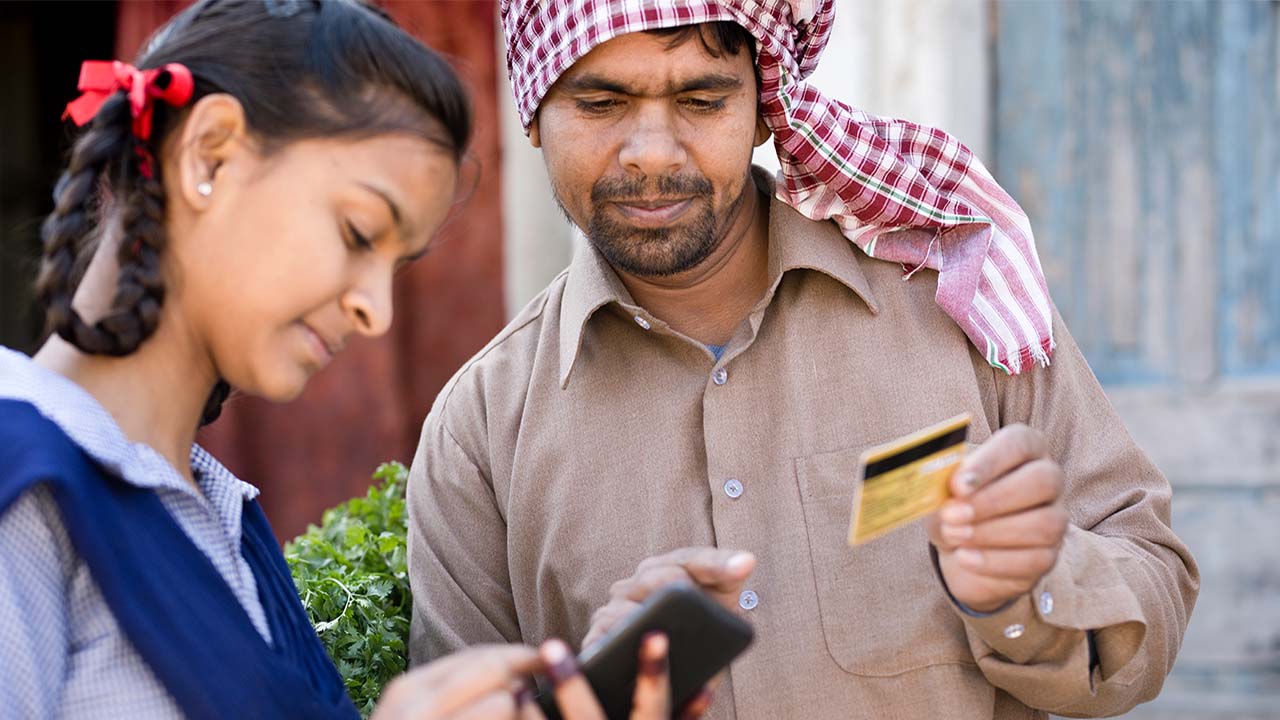
School girl helping father with online payment.

The CALP Network, of which Mastercard is a member, has also witnessed this trend.29 It works to increase the impact of humanitarian Cash and Voucher Assistance (CVA) and consists of more than 90+ agencies that deliver the vast majority of CVA globally. CALP has highlighted an Innovations for Poverty Action report,30 which evaluated the effectiveness of one program in Colombia, Compensación del IVA, in relation to the financial health of beneficiaries. Between March and November 2020, usage of mobile money accounts among the target population rose by 43%, demonstrating greater acceptance of digital financial services and expanded access.31

CALP: Empowering people through humanitarian Cash and Voucher Assistance

  • 90+ member agencies including United Nations agencies, national and international NGOs, researchers, donor governments, private sector, and the Red Cross/Crescent Movement
  • In 2022, $7.9b was distributed globally in humanitarian Cash and Voucher Assistance, a growth of nearly 500% since 2015
  • $7.9b represents 21% of international humanitarian assistance (IHA). If CVA was used, where feasible and appropriate, it could account for 30%–50% of IHA.

Source: CALP.

Furthermore, a 2021 analysis of a G2P payments program in Zambia conducted by the World Bank Group and CGAP found that introducing recipient choice in G2P payouts attracted more financial service providers to serve vulnerable women, a historically underserved demographic in the financial services industry in the country. Since its launch, the Ministry of Community Development and Social Services and the Government of Zambia’s Girls Education and Women’s Empowerment Livelihoods (GEWEL) project has improved awareness of and expanded access to financial services for ultra low-income women across the country.32 Today, the private sector is more eager to participate in the distribution of GEWEL grant payments while some providers are developing products specifically aimed at serving lower-income customers, such as GEWEL recipients.33

For decades, G2P accounts have struggled to ensure the digital transition of G2P accounts was relevant for beneficiaries. These examples from Colombia and Zambia show that over time, digitalized G2P payments not only benefit governments, but citizens too.

A catalyst for growth

The multiplier effect

The direct value of digitalizing G2P payments is evident through increased efficiencies, effectiveness and improved financial inclusion for recipients, as detailed in this paper. Additionally, there is an even greater benefit for governments, providing an opportunity to bolster the fiscal pot and strengthen the economies they serve.

With technology diffusion of digital G2P payments via cards, digital wallets, or electronic vouchers, the broader economy can also stand to benefit. Programs such as subsidies, grants and social welfare payments are designed to stimulate economic activity, reduce poverty and improve social welfare. They reduce the number of cash withdrawals, spurring a greater number of digital transactions, which contributes to increased sales and revenues for small and medium-sized enterprises and a recirculation of funds back into the economy.34

Smiling girl using phone.

A 2022 study evaluated the relationship between increased financial inclusion as a result of increased digital payments and economic growth. The results found that higher financial inclusion accelerates economic growth by approximately 0.22% in Latin America and the Caribbean, 0.5% in MENA, 0.26% in North America, 0.78% in South America and 0.64% in Sub-Saharan African countries.35

Furthermore, Boston Consulting Group estimated that the widespread adoption of digital payments contributes to an estimated 1% GDP boost to mature economies such as the United States, and an estimated 3% increase for emerging economies, such as the United Arab Emirates.36 Echoing this, a broad-based analysis from McKinsey Global Institute estimates digital finance adoption by businesses and governments has the potential to raise the aggregate GDP of emerging economies by 6% over a ten-year period.37

G2P administrators must think beyond the fiscal advantages of digitalization to appreciate the transformative potential of these programs on society more broadly. Digital G2P payments help to reduce the shadow economy by ensuring that G2P transactions are transparent and traceable. This transparency can also help to minimize tax evasion and fraud, thereby increasing government revenues. By transitioning G2P to digital methods, governments can crack down on illicit activity and strengthen the public purse as a consequence. The resulting increased revenues can be reinvested into the economy, providing a multiplier effect for more resilient growth.

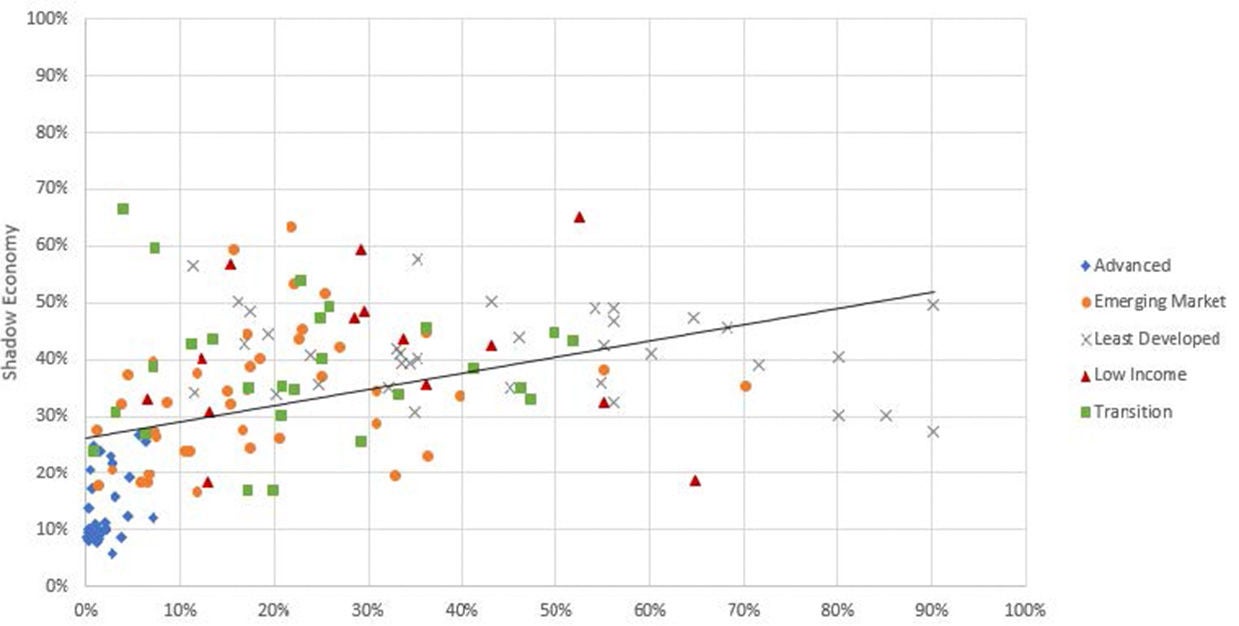
A 2020 Mastercard analysis of 146 countries at varying levels of economic development, classified as advanced, emerging, transition, low income and least developed, showcase a clear correlation — the higher percentage of G2P payouts made via cash results in a greater percentage of shadow economy activity.38

Figure 1

Relationship between the shadow economy and percent of government benefits paid in cash only

Mastercard shadow economies methodology.

Source: ThoughtLab research, commissioned by Mastercard. Analysis of interaction between financial inclusion, digital payments usage, and the shadow economy from 2002–2018. 2020.

Conclusion

In this unique moment in time, the private sector and NGOs should come together to pool their investment, expertise and willpower to collaborate with governments to foster innovation and build the next generation of G2P payments infrastructure. The experience of governments in recent years, coupled with the growing consensus around the possibilities of digital payments infrastructure to improve citizen well-being and government delivery alike, can and should serve as a catalyst for cross-sectoral collaboration.


“The private sector drives innovation and economic growth. Developing strong collaborative relationships and sharing resources and knowledge can be combined to address common challenges for government payments to reduce friction, improve efficiency, whilst also enhancing security.”

Nick McDonald, NEPO, United Kingdom

Source: Mastercard interview with NEPO, August 2024.


To achieve success and move beyond the ad hoc emergency infrastructure established during the pandemic, it is crucial for both the government and private sector to invest and innovate. This effort should prioritize the public good and leverage best-in-class technologies. This approach aims to build a scalable, flexible infrastructure that drives usage and supports a sustainable, digital economy for everyone.

For governments to be effective in driving forward an inclusive and efficient digital G2P payments architecture, they must leverage emerging technological solutions to deliver greater transparency, enhanced administrative efficiency and increase overall impact. Citizens also stand to benefit from these innovations through greater financial inclusion, more convenience and economic empowerment.

At Mastercard, our firm belief is that digitalizing payments can be transformative for governments and citizens alike — and accelerate sustainable, inclusive and efficient economic activity to benefit us all. Through partnership, we can turn the challenges of the public purse in crisis into opportunities for meaningful change.

1. Stanford Social Innovation Review. A Crisis is a Terrible Thing to Waste. July 10, 2010. 

2. The World Bank. Next Generation G2P Payments: Building Blocks of a Modern G2P Architecture, 2022. 

3. The World Bank. G2Px: Digitizing Government-to-Person Payments. 

4. International Monetary Fund. Fintech Payments in Public Financial Management: Benefits and Risks. February 3, 2023. 

5. Lund, Susan. International Monetary Fund. Chapter 13: The Value of Digitalizing Government Payments in Developing Economies. November 01, 2017. 

6. Muralidharan, Karthik, Paul Niehaus, and Sandip Sukhtankar. 2016. “Building State Capacity: Evidence from Biometric Smartcards in India.”; American Economic Review 106 (10): 2895–929. 

7. The Government of Romania, “Emergency ordinance no. 115/2020 regarding some measures to support the most disadvantaged categories of people who benefit from hot meals based on social vouchers on electronic support for hot meals, granted from non-refundable external funds, as well as some measures for their distribution,” July 17, 2020. Ministry of European Investments and Projects. “The ‘Hot Meals’ program, example of good practice.” 

8. Mastercard. Driving impactful and inclusive government disbursements with prepaid solutions. May 2024. 

9. Ibid, Ministry of European Investments and Projects. “The ‘Hot Meals’ program, example of good practice.” 

10. Mastercard interview with Posta ve Telgraf Teskilatı (PTT), June 2024. 

11. Lund, Susan. International Monetary Fund. Chapter 13: The Value of Digitalizing Government Payments in Developing Economies. November 01, 2017; The World Bank. Next Generation G2P Payments: Building Blocks of a Modern G2P Architecture, 2022; McKinsey & Company. Global Payments 2016: Strong Fundamentals Despite Uncertain Times. September 2016. 

12. Lund, Susan. International Monetary Fund. Chapter 13: The Value of Digitalizing Government Payments in Developing Economies. November 01, 2017. 

13. Direct Express® Program. Direct Express® Program

14. Direct Express® Program. Direct Express® Program

15. Mastercard interview with NEPO, August 2024. 

16. The World Bank. Public Sector Savings and Revenue from Identification Systems: Opportunities and Constraints. 2018. 

17. Bundesregierung. Payment card for refugees

18. Bezahlkarte. The Payment Card from PayCenter. 2024. 

19. Mastercard. The Prepaid payment card as a flexible payment solution. 20 February 2024. 

20. Mastercard interview with Toka, June 2024. 

21. Jersey Government. More than 2,000 businesses benefit from Spend Local. November 2020. 

22. Mastercard. Donations to disbursements: a playbook for designing a direct financial assistance program. 2020. 

23. The World Bank. The Global Findex Database 2021: Financial Inclusion, Digital Payments, and Resilience in the Age of COVID-19. 2022; The World Bank. The Role of Digital in the COVID-19 Social Assistance Response. September 2022; The World Bank. The Covid-19 Crisis showed the future of G2P payments should be digital. Here’s why. October 03, 2022. 

24. The World Bank. The Global Findex Database 2021: Financial Inclusion, Digital Payments, and Resilience in the Age of COVID-19. 2022. 

25. CSIS. Covid-19, Digitization and Government-to-People Payments; 2C2P. Popular Payment Methods in Thailand: What Consumers Want

26. The World Bank. Cash vs Digital: How do digital government-to-person payments ease the lives of recipients? March 15, 2024. 

27. Ibid. 

28. CGAP. The Role of Cash In/Cash Out in Digital Financial Inclusion. July 29, 2019. 

29. Mastercard interview with CALP, June 2024. 

30. Innovations for Poverty Action. The Digitization of Emergency Cash Assistance During COVID-19 in Colombia. July 2022. 

31. Mastercard interview with CALP, June 2024. 

32. The World Bank and CGAP. Case Study: The Future of Government-to-Person (G2P) Payments: Three Years of learning about G2P choice in Zambia. April 2021. 

33. Ibid. 

34. Boston Consulting Group. How cashless payments help economies grow. May 28, 2019. 

35. Azimi MN. New insights into the impact of financial inclusion on economic growth: A global perspective. PLoS ONE. November 17, 2022. 

36. Boston Consulting Group. How Cashless Payments Help Economies Grow. May 28, 2019. 

37. McKinsey & Company. Global Payments 2016: Strong Fundamentals Despite Uncertain Times. September 2016. 

38. ThoughtLab. Mastercard Shadow Economy. 2020.