
Information and communication

Include sensory notes in your menu

Use clear, simple sensory descriptions to help customers understand food choices and make confident decisions.

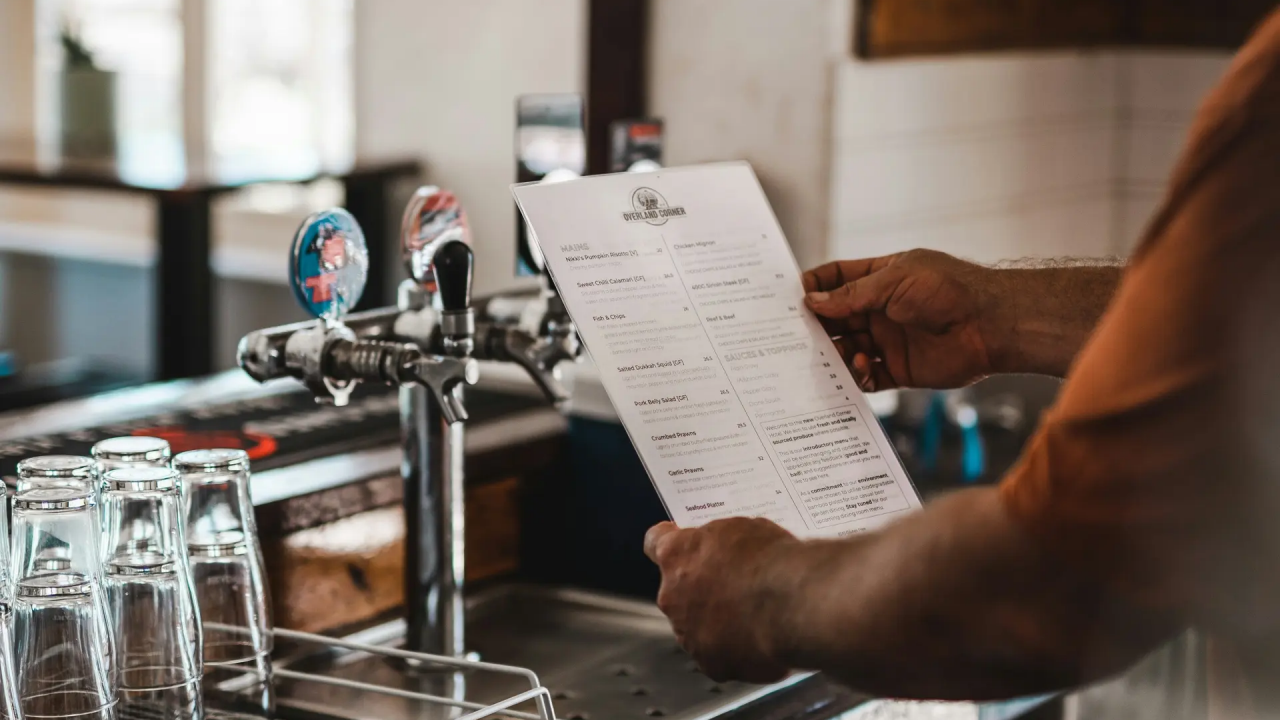
A man reading menu

Why this matters


When there are no images on your menu, sensory notes help to describe how food might be experienced. 

This approach makes menus easier to understand. It helps chefs and menu writers avoid technical or opinion-based words. With clear information, people can choose food with confidence. It helps diners with sensory differences make confident choices. It also embraces inclusivity by acknowledging the full sensory experience of food.

“I heard an announcement at a supermarket, and I flinched. I don't think anybody likes the level of noise, especially the beeps and the announcements. Why do they need to be so loud?”

Community Member

How to write a sensory note


We’ve developed a sensory notes wheel  as a guide, rather than an exhaustive list of descriptors. The wheel is a circular diagram with the dish in the centre and keywords radiating outward. These words describe how a dish is prepared, arranged, and its taste. They help menus show the full sensory experience of the food.

Sensory notes in your menu

Example:

A retail store removes hand dryers from one bathroom. They provide paper towels and mark it as a 'quiet bathroom' with signage.

Start by listing all components and ingredients. Include cooking method and serving temperature. Note the colour if needed to show the difference between food types, e.g., white or brown bread. Include all garnishes, even simple ones like salt and pepper. It is important that the diner knows exactly what to expect. 

Explain how the food elements are arranged on the plate (e.g. stacked, mixed, served on the side). List any interactions between them (e.g. sauce on the side, cream on top).

Describe the flavour profile. Use these six key terms: sweet, sour, salty, bitter, umami, or spicy. This helps set clear expectations without adding unnecessary detail. Words like 'slightly' are fine, but avoid opinion based phrases like 'delicious' or 'rich'.

Identify what can be modified (if any), replaced or removed. Mark those with a symbol. Include any allergens or dietary symbols (e.g. GF, VE, DF). 

What best practice looks like

 
  • Keep sentences short and clear. Avoid long descriptions or more than one idea in a sentence.
  • Use simple language to make your writing easier to read. Stick to clear, literal words and short adjectives. Avoid fancy or extra words. 
  • When a dish has a technical or unfamiliar term (e.g., “gougère”), give a short, simple explanation. 
  • Before finalising your menu's sensory notes, ask yourself:  
    • Have I included every ingredient, including all garnishes? 
    • Is the menu written in plain English and easy to understand?  
    • Are the ways the different parts of the dish work or mix together clear? 
    • Would a diner know what to expect when the dish is served? 

See below some examples of inclusive menu designs