sensory environment

Create low sensory zones

Provide quiet, low-stimulation spaces so people can take breaks from noise and activity and stay engaged longer.

Couch and pillow

Why this matters


Having a space to retreat to can make the difference between someone staying or needing to leave. Low sensory rooms and zones provide a break from sights, sounds, and social activity. 

They can include dining areas with lower noise or waiting areas with the TV or radio off. Quiet spaces can also be set up during events. This helps people stay engaged for longer.

What best practice looks like:


  • Clear signs showing where the low sensory zones are
  • Dimmed lighting and little background noise
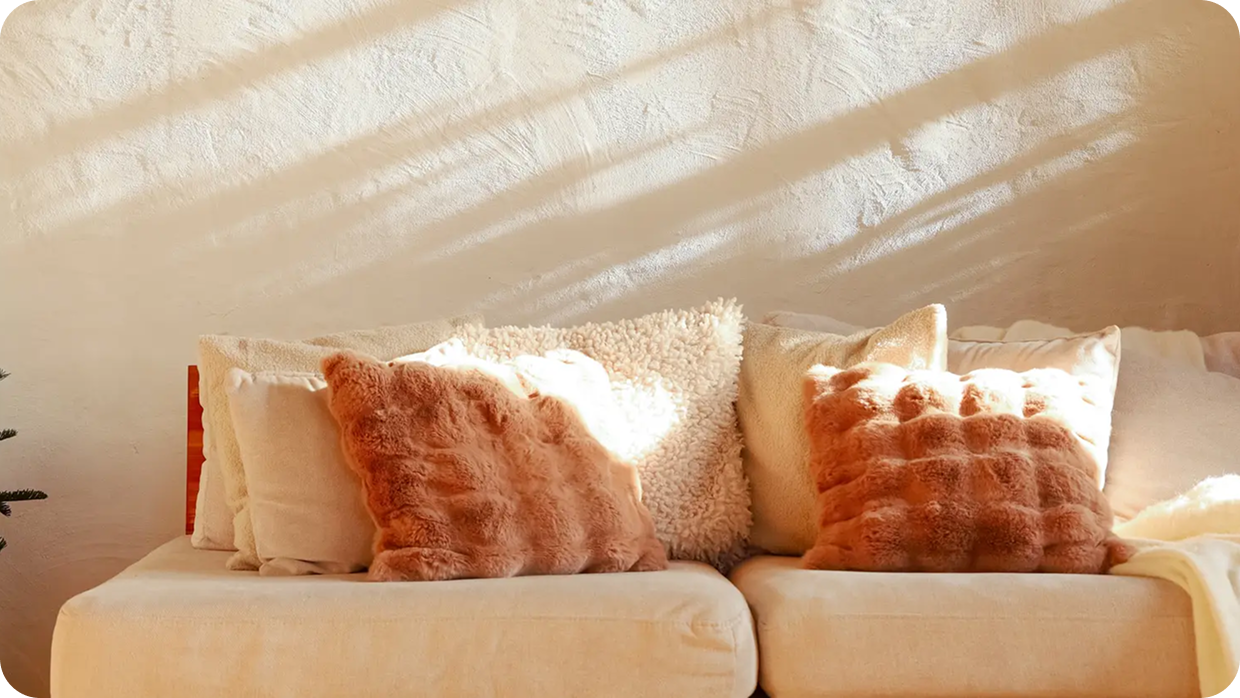
  • Comfortable seating options
  • Separation from busy or noisy areas
  • No TV or radio in these areas
  • Information about the zones on your website
  • Staff are trained to guide customers to the zones when needed
  • Information about the low sensory zones included in advertising

Example:

A real estate agent’s office sets up a quiet seating area as a sensory zone. In this area, the lights are dimmed, the speakers are turned off, and chairs are spaced further apart. A sign at the entrance shows the location of the sensory zone.