Predictability, choice and control

Provide seating options and flexibility

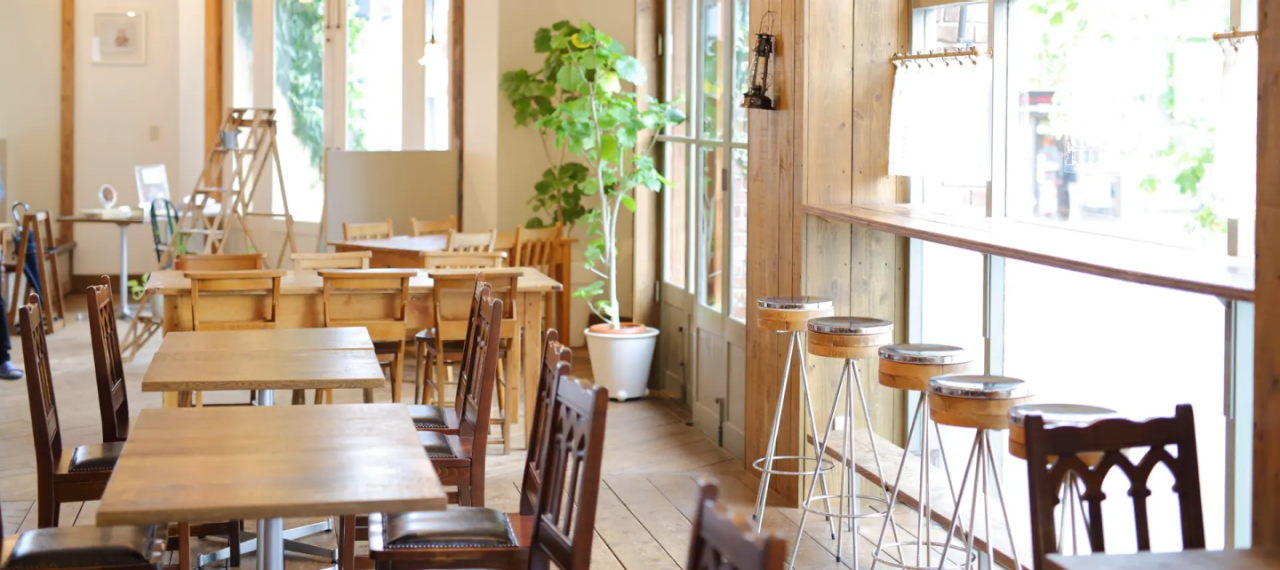
Offer varied seating choices and flexibility so customers can select spaces that best suit their comfort and sensory needs.

seating option flexibility

Why this matters


Consider how you can offer a variety of seating options. These could include booths, tables, or quieter areas. Seating preferences vary significantly. When people can choose seating that works for them, they're more comfortable. This means they are more likely to stay and visit again.

“The only restaurant I go to actually has another room out the back. They turn the music down to nothing or off for my family, and there's only, like, 3 tables out there. If you have different sensory needs, if you need it to be quiet, or have lower lighting, that sort of thing is brilliant.” 

Community Member

What best practice looks like:


  • Have a variety of seating types, such as booths, standard tables, counter seats or outdoor options
  • Remove tablecloths and any table decorations or condiments on request 
  • Have a minimum of 50cm spacing between seats
  • Place some tables in quieter areas, some in social areas
  • Locate some tables against walls with limited traffic. They should have clear visibility and pathways to exits
  • Option to choose where you sit and use a larger table
  • Reserved tables for accessibility needs
  • Policy allowing customers to move if their seating isn’t suitable
  • Clear signage showing the different seating zones

Example:

A restaurant has three zones: front window (bright, social), middle section (moderate) and back corner (quieter, near the walls and away from busy areas). A sign near the entry shows the zones.