
Mastercard at 60

August 24, 2026


What's in the cards?

From embossed plastic cards run through zip-zap machines to chips and sustainable materials, here's how the humble payment card keeps reinventing itself.

google logo

Vicki Hyman

Director,

Global Communications,

Mastercard

Mastercard at 60 series

To mark the company's six decades since its founding, the Mastercard Newsroom is publishing stories about its history, employees, technology and future.

Mastercard logos


The credit card is one of the most recognizable totems of modern commerce. Billions and billions of cards have been produced over the decades, and while the dimensions have largely remained the same, new technology, design trends and concerns about accessibility and sustainability have evolved how they look, feel and work.

Even with the rise of mobile payments and the availability of digital-first (or even digital-only) cards, physical card issuance remains robust — a tangible token in an increasingly virtual world.  

Here’s a brief look at the changing face of cards.


Making an impression: Embossing

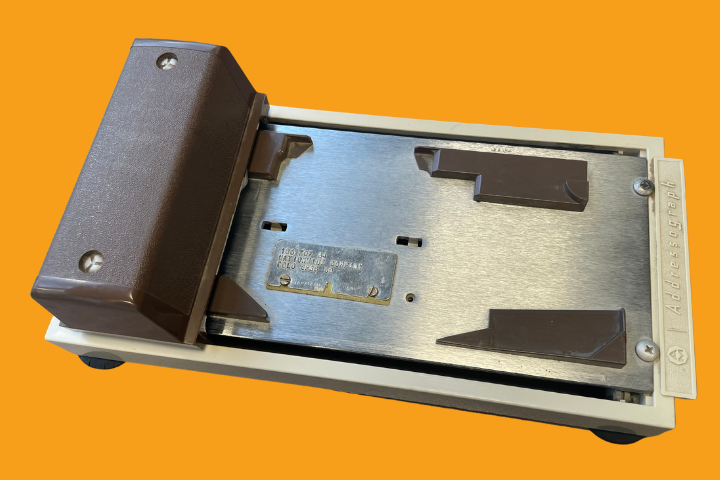
The earliest modern credit cards were made of cardboard and printed with the cardholder’s name. As the concept of consumer credit expanded in the 1950s and 1960s, banks and merchants needed a more efficient way of processing transactions. Enter embossed plastic cards and the card imprinter, also called a zip-zap machine for the action of running the handle back and forth over the card to imprint the information onto carbon-paper packets. (It was also nicknamed the knuckle-buster by clumsy cashiers, for the layers of skin occasionally sacrificed to the gods of commerce.)


A swipe at security: The magnetic stripe

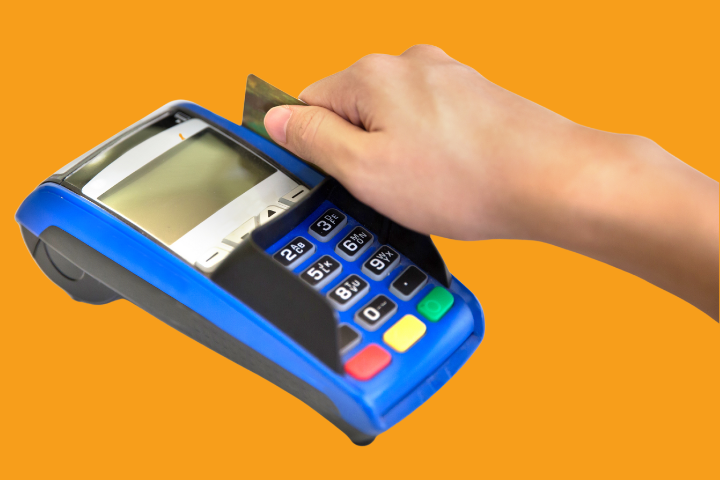
A 1960s invention largely credited to IBM, magnetic tape contained encoded card information that could be read and relayed by point-of-sale terminals with a simple swipe. Magnetic stripes remained in popular use for decades until the popularization of chip cards in the 1990s and 2000s. In fact, magnetic stripes now have an expiration date: In 2021, Mastercard became the first card network to announce it would no longer require newly issued credit and debit cards to have the stripe starting in 2024 in most markets. By 2033, no Mastercard cards will have magnetic stripes. (Mastercard also ditched the requirement for signature panels on the back of cards in 2019.)


Chipping away at fraud: Smart cards

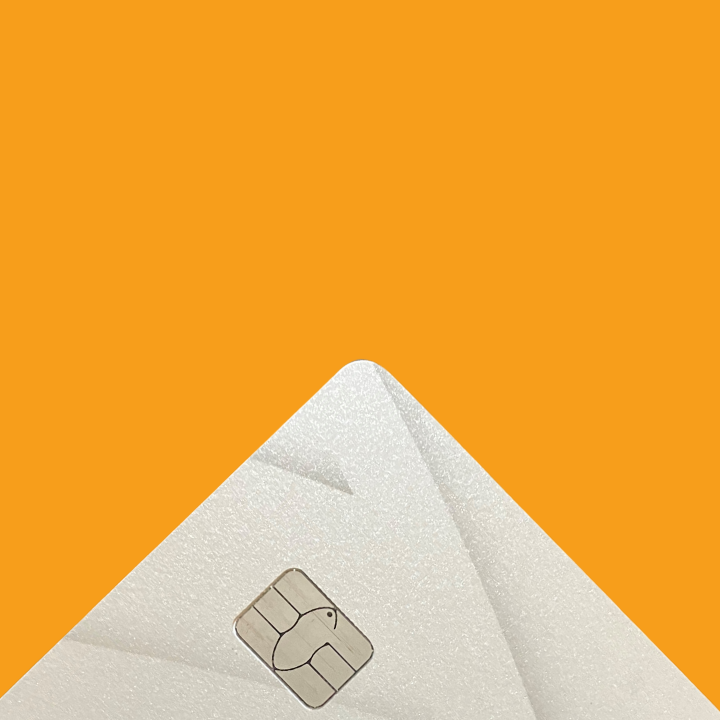
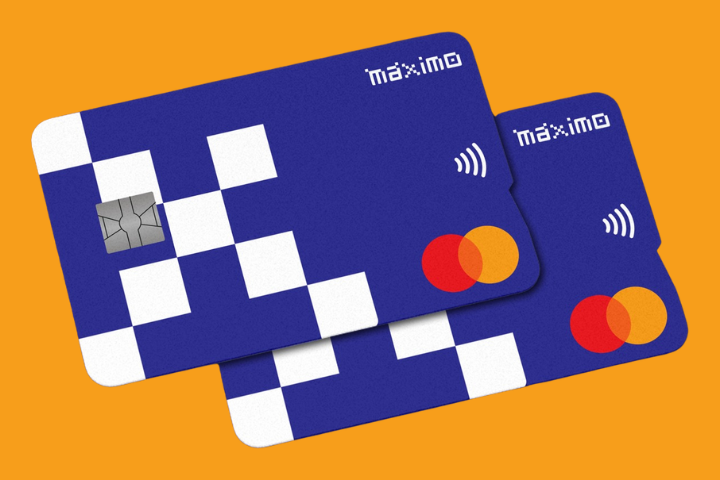
These microprocessors turned thin plastic slabs into tiny computers, offering even more security in authenticating payments. First used in the 1970s, they took a while to catch on, because different chip cards didn’t work with every terminal, leading to the development of a global EMV chip technology standard in 1994. And this led to a host of other innovations, from contactless transactions, which are enabled by an antenna embedded around the perimeter of the card, to tokenization, which turns the card’s account number into a unique alternate number for increased security, to biometric cards, with a fingerprint sensor to verify identity.


Getting a glow-up: Personalization and customization

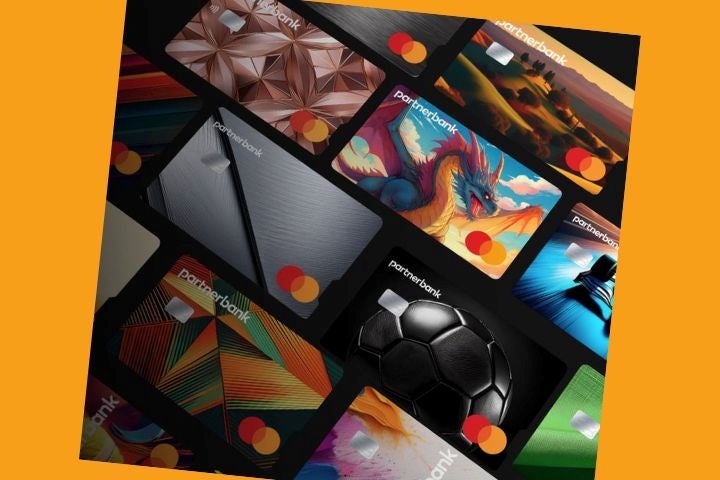
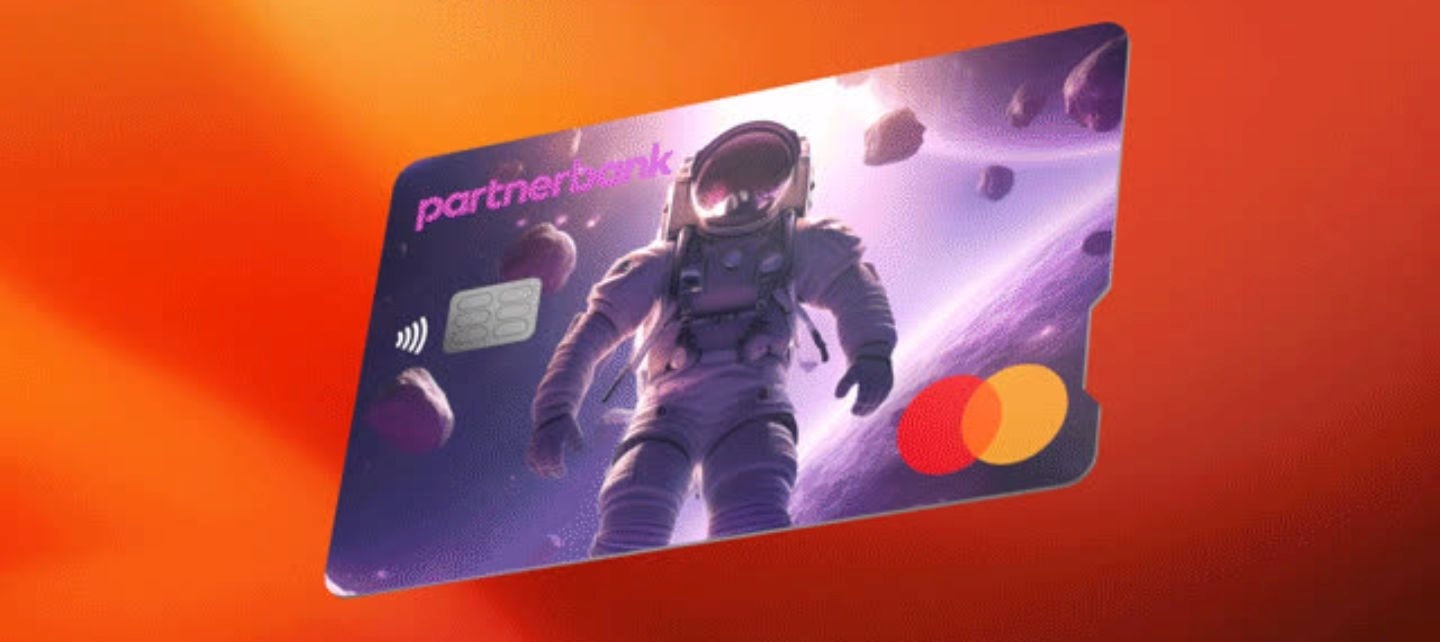
The late 1980s saw a spike in affinity cards, payment cards — tied to charity groups, universities and sports teams among others — heralding a new age of distinctive branded  and, later, customized card design. The turn of the millennium saw the emergence of metal cards with their prestigious “plunk factor” — from stainless steel to titanium to even solid gold cards and ones embedded with precious gems. Mastercard is now taking card customization a step further with its AI Card Design Studio, which enables issuers to bring to life customized, brand-compliant card designs in minutes.


Trust at a touch: Accessible cards

The size and shape of a credit card — including its thickness and corner radius — has been standardized for decades, but there is some wiggle room, provided the shape doesn’t interfere with the mechanics of the transaction. Mastercard made use of that in 2021 when it created the Touch Card, with a system of notches on the side of the card so people who are blind or visually impaired (or even someone reaching for their card in a dark space) can feel whether they’re holding their debit (rounded notch), credit (squared) or prepaid (triangular) card. 

Recently, Mastercard contributed its Touch Card design specifications for the development of the Accessible Cards Code of Practice, launched by UK Finance. As payment cards increasingly move to flat designs without embossed names and numbers, accessible features such as the tactile notches are increasingly important., and these accessibilty standards help ensure flat-printed payment cards are easier to use and more inclusive for people with vision or accessibility needs. 


A material difference: More sustainable cards

Billions of payment cards are produced each year, most made from PVC and other first-use plastics. It’s a relatively small contribution to the global plastic waste problem, but an unnecessary one, as there are dozens of alternatives, including high-density polyethylene, which can be made from recycled plastic bottles, and polylactic acid, a bio-sourced plastic made from corn or sugar starch. (No, it’s not edible, but when it’s incinerated at the end of its life cycle, it releases no carbon dioxide.) 

Since Mastercard launched its Sustainable Card Badge and Certification Program in 2018 through 2025, more than 850 financial institutions in 110 countries have issued cards through the program, and last year, 23% of all Mastercard-branded cards produced were made using Mastercard Card Eco-Certification products

Starting in 2028, all new payment cards issued on the Mastercard network must be made with sustainable materials, upping the ante for even more innovation.


This story was first published on April 5, 2023. It was updated August 24, 2026, to reflect new innovations in accessibility and customization and increased momentum in cards made from sustainable materials. 

Meet the card-carrying collectors preserving payments history

Collectors around the world are preserving rare cards, payment techand pieces of commercial history — from early Master Charge cards to modern collectibles.

A man sits in front of vimtage Mastercards, holding up a Master Charge card.