Instant payments aren’t just gaining momentum; they’re becoming the new normal. Across Europe, instant payments are rapidly becoming the new standard. With key regulatory requirements now taking effect, banks and payment service providers are shifting their focus from compliance readiness to operational excellence and long-term growth. But here’s the good news: with the right strategy and smart use of data, the same pressures that feel overwhelming today can become serious growth opportunities tomorrow.
Let’s unpack what’s changing, what’s challenging, and where the biggest opportunities lie. With the right approach, navigating these challenges doesn’t just mean staying compliant — it’s about making that investment work harder: streamlining operations, strengthening real-time payments capabilities and creating better payment experiences for your customers.
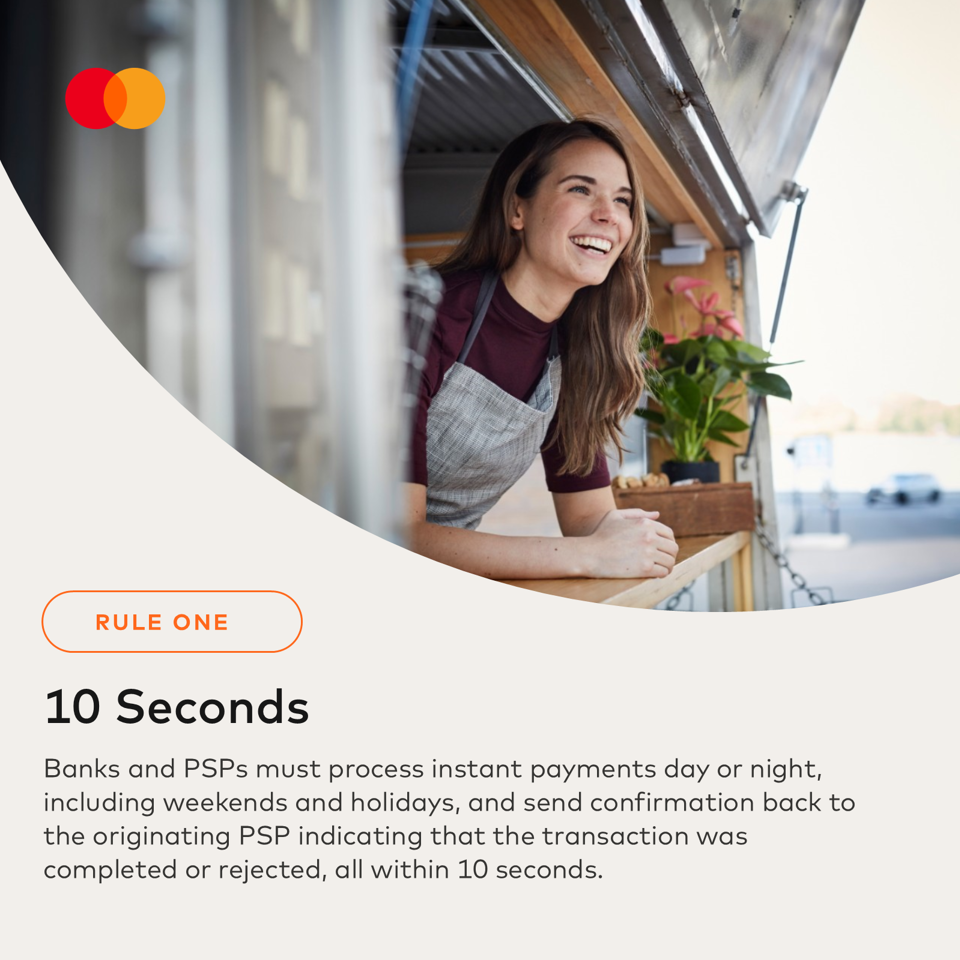
The EU Instant Payment Regulation (IPR) means that, as of January 9, 2025, all banks and payment service providers (PSPs) in the Eurozone had to be able to receive instant payments. By October 9, 2025, they’ll also need to send them - processing transactions within 10 seconds, 24/7, 365 days a year.
The IPR aims to support the EU’s broader vision for a modern, competitive, and resilient retail payments ecosystem.
That’s not all. These rules also:
The Capgemini World Payments Report 2026 highlights a persistent readiness gap spanning both business and technology domains, with most banks still not equipped to scale their merchant services effectively. As a result, only a small proportion of institutions are truly prepared, while the majority remain either partially ready or not ready at all to compete at scale.
For many institutions, the next challenge is turning compliance readiness into a sustainable competitive advantage.
New rules and rising expectations come with a few tough hurdles:
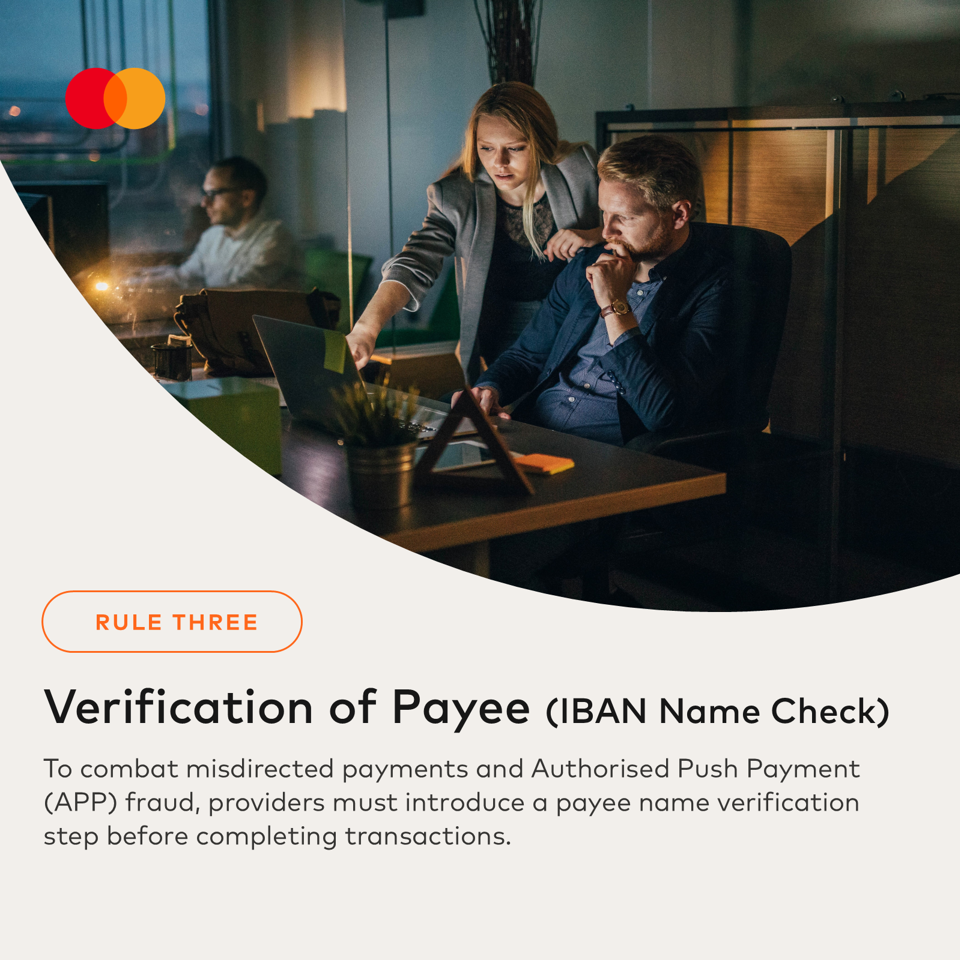
With real-time payments comes real-time fraud, including the growing threat of authorized push payment (APP) fraud. Verification of Payee (VoP) is an important first step in reducing certain types of APP fraud. However, effective fraud prevention also requires real-time monitoring, risk intelligence and data-driven decisioning before a payment is authorized.
Instant payments mean instant expectations in an always-on, faster payment system environment. Money moves fast, and institutions need to maintain the right level of liquidity at all times to avoid failed or delayed payments – outcomes that simply aren’t acceptable in an instant payments environment. It’s a tricky balancing act between having sufficient liquidity but not having your money sit idle at the central bank - especially for smaller players.
While EU banks are technically compliant with many ISO 20022 requirements, especially in the SEPA and high-value payment spaces, true, data-rich adoption and full ecosystem integration are still underway.
Globally, it’s even trickier, particularly as markets evolve at different speeds across instant payments and broader real-time payments infrastructures. While ISO 20022 adoption is progressing globally, markets continue to evolve at different speeds. Until richer data standards are consistently implemented across payment ecosystems, much of the value embedded within payment data remains underutilized.
While standards adoption remains a work in progress, the payoff extends beyond compliance. Richer, more structured payment data enables banks to improve decision-making, strengthen operational efficiency, and unlock new opportunities for innovation and customer value.
Here’s where things get exciting: the same data that helps you meet compliance deadlines can also power innovation, efficiency, and better customer experiences.
Effective real-time payments fraud detection relies on machine learning and real-time analytics, allowing banks to detect unusual patterns and block fraud before it happens. The key to success? Having the right data and algorithms to act fast. Want to dive deeper into how we’re helping banks stay ahead of fraud in real-time payment markets? Read our whitepaper “Uniting against account-to-account fraud”.
We know liquidity control can be a big challenge for banks, especially with the mandatory rollout of SEPA Instant Credit Transfer (SCT Inst). But here’s the opportunity: because instant payment settlement happens in seconds, staying compliant means banks need to rethink how liquidity is managed — using real-time data to make smarter decisions, optimize reserves, and keep things running smoothly. Learn more about the key technologies and innovations, such as AI, real-time data, and predictive analytics that enable treasury teams to become strategic drivers of organizational success. Download “High Speed, High Stakes – Navigating liquidity in an era of volatility”.
Data is at the heart of improving customer journeys. By enabling businesses to understand user behavior and preferences deeply, real-time data enables banks to offer intuitive solutions that add real value for customers. This personalization not only enhances the user experience but also builds loyalty, as customers feel valued and understood at every touchpoint. Ultimately, this is where banks can unlock revenue. If you're not exploring how to monetize secure instant payments and use the real-time data at your fingertips, you are missing out on a valuable opportunity.
Success isn’t about focusing on a single payment type - it’s about creating experiences that reflect the diverse needs of consumers, powered by real-time data. Ultimately, it’s about building your strategy around your customers. That mindset enables you to adapt to different payment methods, formats and use cases, while unlocking new revenue opportunities and driving sustainable growth.
We’re experiencing this firsthand in markets powered by our instant payment technology, such as the U.K., Slovenia, Hungary and, further afield, Thailand and Peru. Consumer expectations are clear: they want fast transactions - but also demand security, simplicity, and seamless integration. And they’re not willing to wait.
Frequently asked questions about scaling instant and real-time payment capabilities.
1. How can banks protect customers from authorized push payment scams?
Banks can protect customers from authorized push payment (APP) scams through a layered defense that combines an account verification service (such as Verification of Payee (VoP) in the EU and Confirmation of Payee (CoP) in the UK with real-time intelligence. This service is the essential first step that confirms that the payee’s name matches the account before money moves, so customers are far less likely to send funds to a fraudster. By combining this service with real-time transaction monitoring, risk intelligence, machine learning, and behavioral analytics, banks can identify suspicious activity and intervene before a payment is authorized. This helps protect customers without adding unnecessary friction to legitimate transactions.
2. How do real-time payments support treasury and liquidity management?
Real-time payments give treasury teams visibility and control to manage liquidity in an always-on environment, where money moves in seconds, and idle reserves carry a real cost. By combining real-time data, AI, and predictive analytics, banks can optimize their liquidity position, avoid having to go to the market for more expensive funds, payments being delayed or failing, and strike the right balance between sufficient liquidity and capital efficiency.
3. How do instant payments fraud prevention frameworks support secure bank to bank transfers?
Instant payments fraud prevention frameworks allow banks to assess payment risk before authorization, spot suspicious patterns across accounts and institutions, and take action quickly when fraud signals appear. Monitoring, data sharing, risk intelligence, behavioral analytics and machine learning help reduce fraud risk, protect customers, and maintain trust while still delivering the speed and simplicity people expect from modern real-time payments.
Ready to stay ahead – not just catch up? Read more about our services and solutions below.