As an HR professional, you want to give your employees great healthcare benefits at an affordable price. You also want to come in under budget to appease your boss, an increasingly hard feat given the ever rising cost of healthcare.
Consumer directed health plans provide both the employer and employee advantages. These benefit programs also present several challenges to the employee including out of pocket expenses, education, convenience and protecting health information. We understand the importance of addressing these challenges.
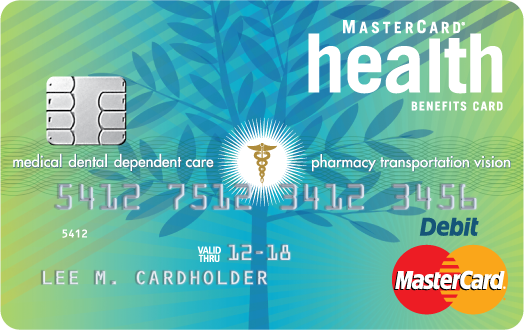
That is why a consumer directed health plan paired with a MasterCard healthcare card will help ensure maximum success for you and your employees. View our webinar to learn more!
QSo what does your webinar entail?
AThe webinar contains unique insights from the HSA participant/accountholder perspective. You will learn ways to leverage their insights to help improve your own employee benefit offering and address four key challenges to successfully administering a high deductible health plan.
QWhere did you get that data from?
AWe surveyed more than 1,000 HSA participants enrolled in a high deductible plan. We’ve compiled all their thoughts on what worked and where challenges exist.
QImpressive. How much will this cost me?
AOnly your time and attention. We know both are valuable, so we’ll be brief.
QWhat else will I learn?
AYou will learn about efficient reimbursements for benefit spending cards to help improve employee productivity.
QIncreased output is always good. Any other topics you’ll touch on?
AWe’ll discuss how you can help your employees get access to complimentary medical identity theft alert and restoration services, vital in today’s digital climate.
QWow. This is a lot. Can I ask questions after the webinar?
AAbsolutely! We have experts available to answer any and every question you may have when you provide us with your contact information.
QHow long will the webinar last?
A30 minutes, a short amount of time in comparison to the payoff of enhancing your benefit plan and improving the satisfaction of your employees.
QThis all sounds great.
AIt does! Will you check it out? We know how busy you are and we recorded this to be flexible with your schedule.
QYes. Yes, I will.
AGreat! We can’t wait for you to see what we can offer!
• Only carry essential documents with you.
• When ordering new checks, pick up your checks at the bank instead of having them sent to your home. This makes it harder for your checks to be stolen, altered and cashed by identity thieves.
• Keep new checks out of the mail.
• Avoid carrying extra credit cards, your Social Security card, birth certificate or passport with you outside the house and keep these items secured.
• Be careful when giving out personal information over the phone.
- Identity thieves may call, posing as banks or government agencies. To prevent identity theft, do not give out personal information over the phone unless you initiated the call.
- Register your phone number with the National Do Not Call Registry to avoid all calls from telemarketers trying to get your information over the phone. Visit
www.donotcall.gov.
• Your trash is their treasure.
• Shred your receipts, credit card offers, bank statements, returned checks and any other sensitive information before throwing it away.
• Make sure others are keeping you safe.
• Ensure that your employer, landlord and anyone else with access to your personal information keeps your records safe.
• Stay on top of your credit.
• The three nationwide credit reporting agencies have set up a central website through which you can order your free annual credit report. Visit
www.annualcreditreport.com to request a free copy of your credit report every 12 months from each credit reporting agency.
• Protect your Social Security Number.
• Only a few organizations such as motor vehicle departments, tax departments and welfare departments have the right to require your Social Security number. In addition, employers, banks and other financial institutions that necessitate tax transactions can require your Social Security number, but for all other accounts, ask if they will accept an alternative proof of identification.
• Follow your credit card billing cycles closely.
• Identity thieves can start by changing your billing address. Making sure you receive your credit card bill every month is an easy way to prevent identity theft.
• Keep a list of account numbers, expiration dates and telephone numbers filed away.
• If your wallet is stolen, being able to quickly alert your creditors is key to prevent others from using your personal information or bank and credit cards.
• Create passwords or PIN numbers out of a random mix of letters and numbers.
• Creating unique passwords makes it harder for identity thieves to discover these codes.
• Protect your identity online and be wary of email schemes.
- Be aware of any information that you, your friends, family, and organizations you are associated with post online. Any personally identifiable information about you online like date of birth ormother’s maiden name may be used for identity theft.
- Be aware of suspicious “phishing” email requests and never send information such as your Social Security information, credit card number or User ID/Password information through an email.
• Give your mailbox a makeover.
- Junk Mail Opt-Out: Every pre-approved offer you receive in the mail is an invitation for someone to open a credit line in your name, so limit the amount of unwanted mail you receive. The best way to do that is to contact the Direct Marketing Association’s Mail Preference Service.
-
- By mail:
Download
this form* and send a $1 check or money order payable to the DMA at:
DMA Choice
PO Box 643
Carmel, NY 10512




 Affordability: Learn ways to help extend the employees benefit dollars